Community Recovery Efforts Strengthen Bali's Post-Pandemic Resilience
As Bali emerges from the shadows of the pandemic, local communities unite to implement recovery initiatives aimed at revitalizing the economy and preserving cultural heritage. Through grassroots efforts, residents are fostering a renewed sense of community and resilience.
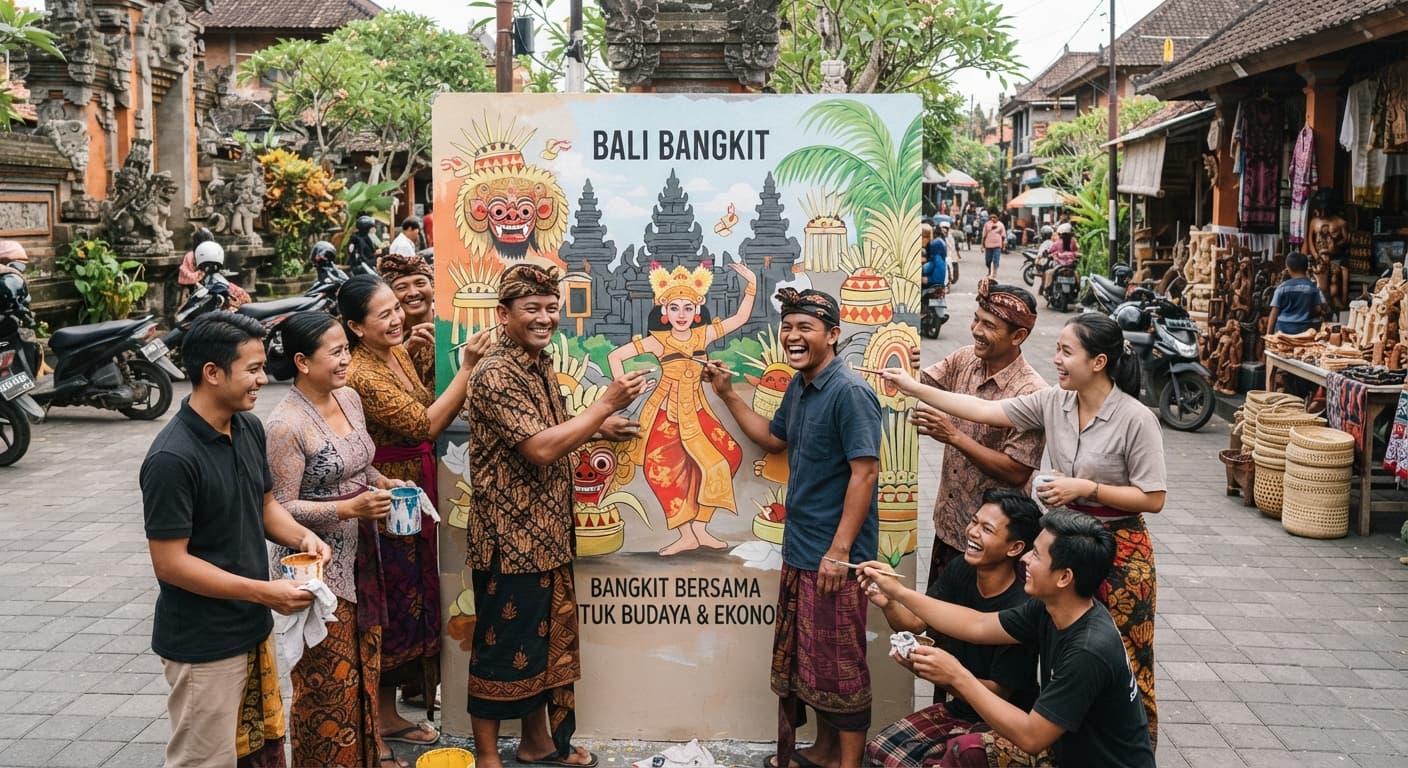
In the wake of the COVID-19 pandemic, Bali's communities are mobilizing to revitalize their local economies and cultural heritage through a series of grassroots recovery initiatives. These efforts not only aim to restore the island's tourism-dependent economy but also focus on preserving the rich cultural tapestry that defines Bali.
One of the most notable initiatives is the "Bali Bangkit" (Bali Rises) program, launched in early 2023 by the Bali Provincial Government in collaboration with various community organizations. This program encourages local communities to participate in economic recovery projects, emphasizing sustainable practices and cultural preservation. According to the provincial government, the initiative has already seen participation from over 150 local groups, including artisans, farmers, and small business owners.
The program has spurred the creation of community markets, where local products are showcased and sold, allowing residents to earn income while promoting their cultural heritage. For instance, the market in Ubud has become a vibrant hub for artisans to sell traditional crafts, from hand-woven textiles to intricate wood carvings, attracting both locals and tourists.
"It’s more than just selling products; it's about showcasing our culture and supporting each other as a community," said Ketut Suardika, a local artisan and participant in the Bali Bangkit program. "We want to ensure that our traditions are not lost and that we can thrive together.
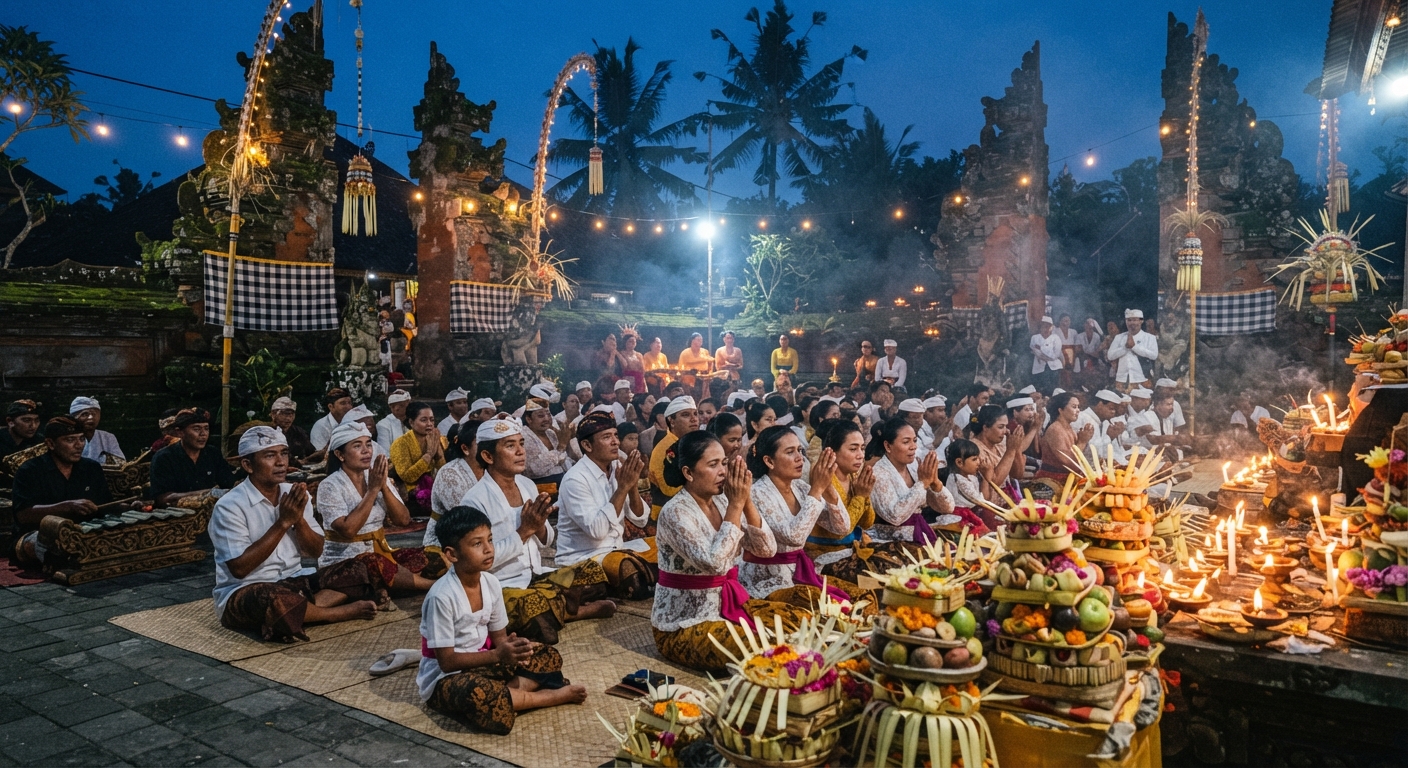
In addition to the economic initiatives, cultural events have resumed across the island, with local governments supporting festivals that celebrate Balinese heritage. The recent "Bali Culture Week" featured traditional dance performances, culinary showcases, and workshops, drawing participation from both locals and tourists. The festival not only revitalizes the local arts scene but also serves as a platform for cultural education, emphasizing the importance of preserving Balinese traditions.
Infrastructure improvements are also part of the recovery plan, with local governments investing in public facilities and transportation to better accommodate both residents and visitors. In Denpasar, the city government has allocated funds for upgrading public parks and recreational areas, alongside improvements to public transportation routes, making it easier for residents to access cultural sites and markets.
These infrastructure projects are essential as tourism begins to rebound. Bali's tourism sector, which saw a significant decline during the pandemic, is now slowly recovering. According to recent reports from the Bali Tourism Board, tourist arrivals have increased by approximately 40% compared to the previous year, indicating a growing interest in the island as a travel destination.
However, the return of tourism brings its own challenges. Local leaders are cautious about the potential impact on the island’s environment and cultural sites. To address these concerns, the Bali Bangkit program includes guidelines for sustainable tourism practices, encouraging visitors to engage in eco-friendly activities and respect local customs. This approach aims to strike a balance between economic recovery and cultural preservation.

Community engagement has been at the forefront of these initiatives, with residents actively participating in decision-making processes regarding local development. Local councils have been established in various villages, allowing residents to voice their needs and concerns. This participatory approach not only fosters transparency but also strengthens community bonds.
As Bali continues to navigate its recovery journey, the resilience and unity of its communities will play a crucial role in shaping the future. The combined efforts of local residents, government bodies, and cultural organizations underscore the importance of collaboration in rebuilding a sustainable and culturally rich environment.
Looking ahead, the Bali Bangkit program is expected to evolve, with plans for expansion into other areas of the island. Local leaders emphasize the need for ongoing support from both the government and the private sector to ensure the long-term success of these initiatives. "We are committed to preserving our cultural heritage while also embracing new opportunities for growth," said a spokesperson from the Bali Provincial Government.

Read Also from Other Categories
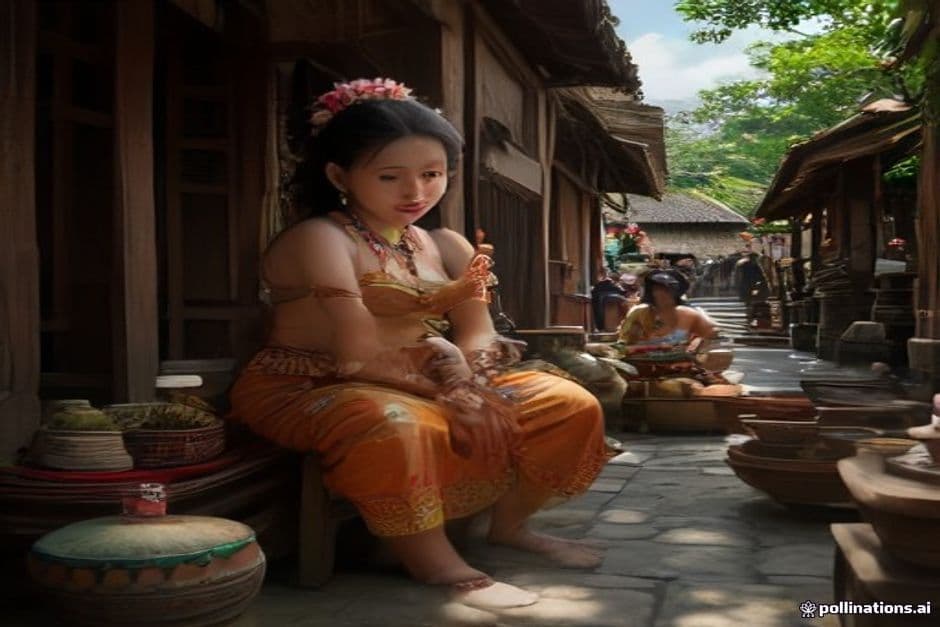
Cultural Tourism in Bali: A Shift Towards Experiential Journeys
Bali's tourism landscape is evolving as visitors seek deeper cultural connections. This trend is reshaping the offerings of local operators and hotels, fostering a more immersive travel experience.
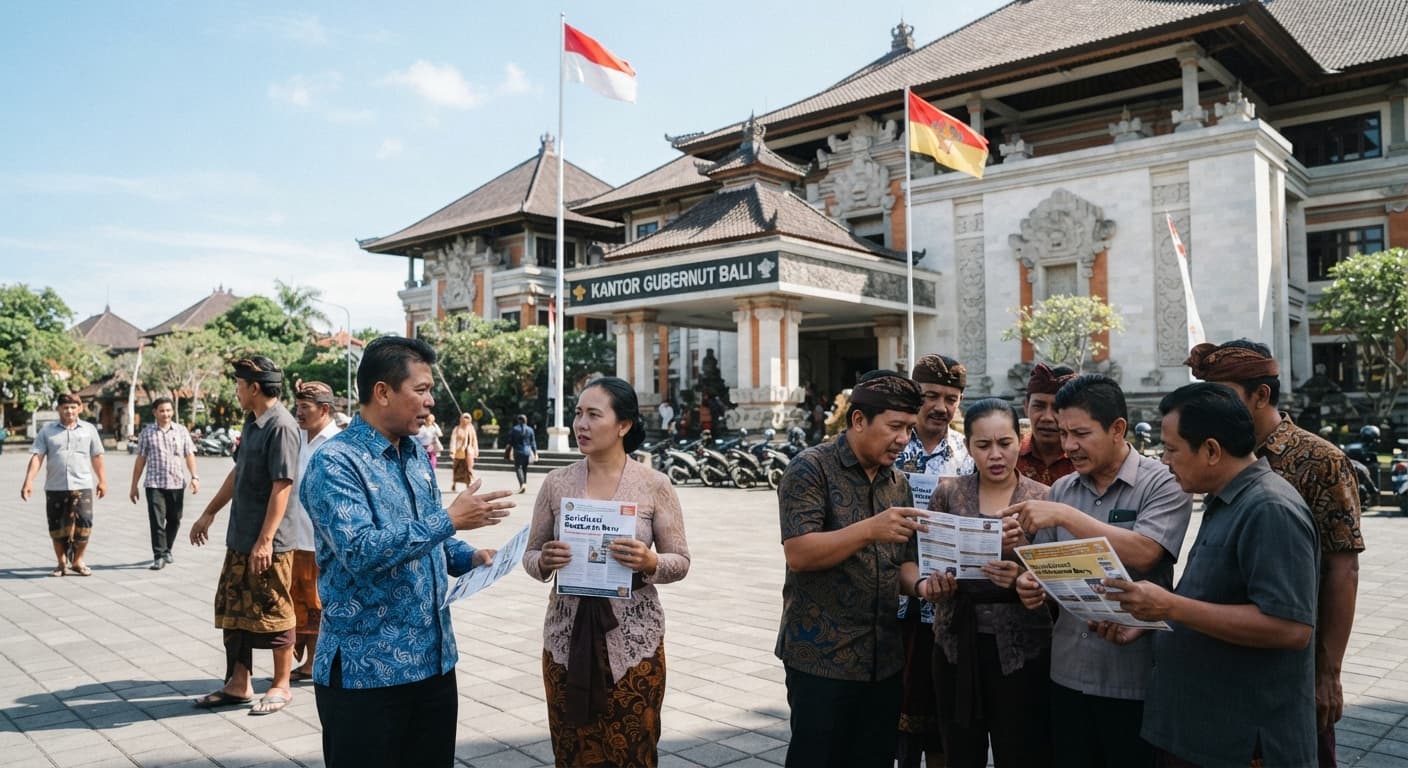
Bali's Public Services Face Scrutiny Amid New Regulatory Changes
Bali's provincial government is implementing new regulations aimed at improving public service efficiency and accountability. These changes have sparked both support and criticism from local citizens and officials.
Investors Eye Bali's Eco-Tourism Ventures Amid Rising Global Consciousness
As eco-tourism gains traction worldwide, Bali emerges as a hotspot for investments in sustainable travel ventures. Local entrepreneurs and international investors alike are capitalizing on the island's natural beauty and cultural richness to promote environmental responsibility.
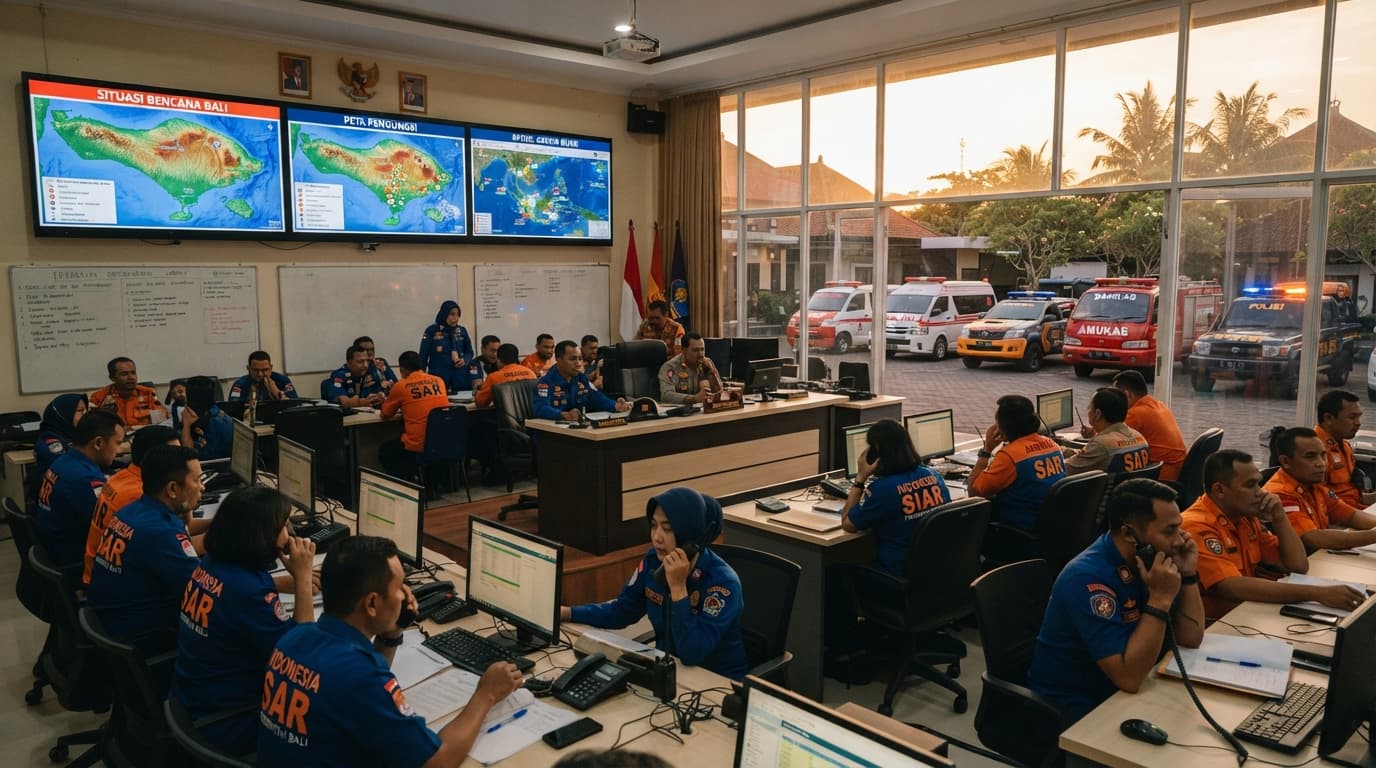
Surge in Emergency Calls Amid Increased Natural Disaster Risks in Bali
Bali's emergency services report a 30% rise in calls related to natural disasters this year. The increase highlights the urgent need for improved disaster preparedness and community awareness.
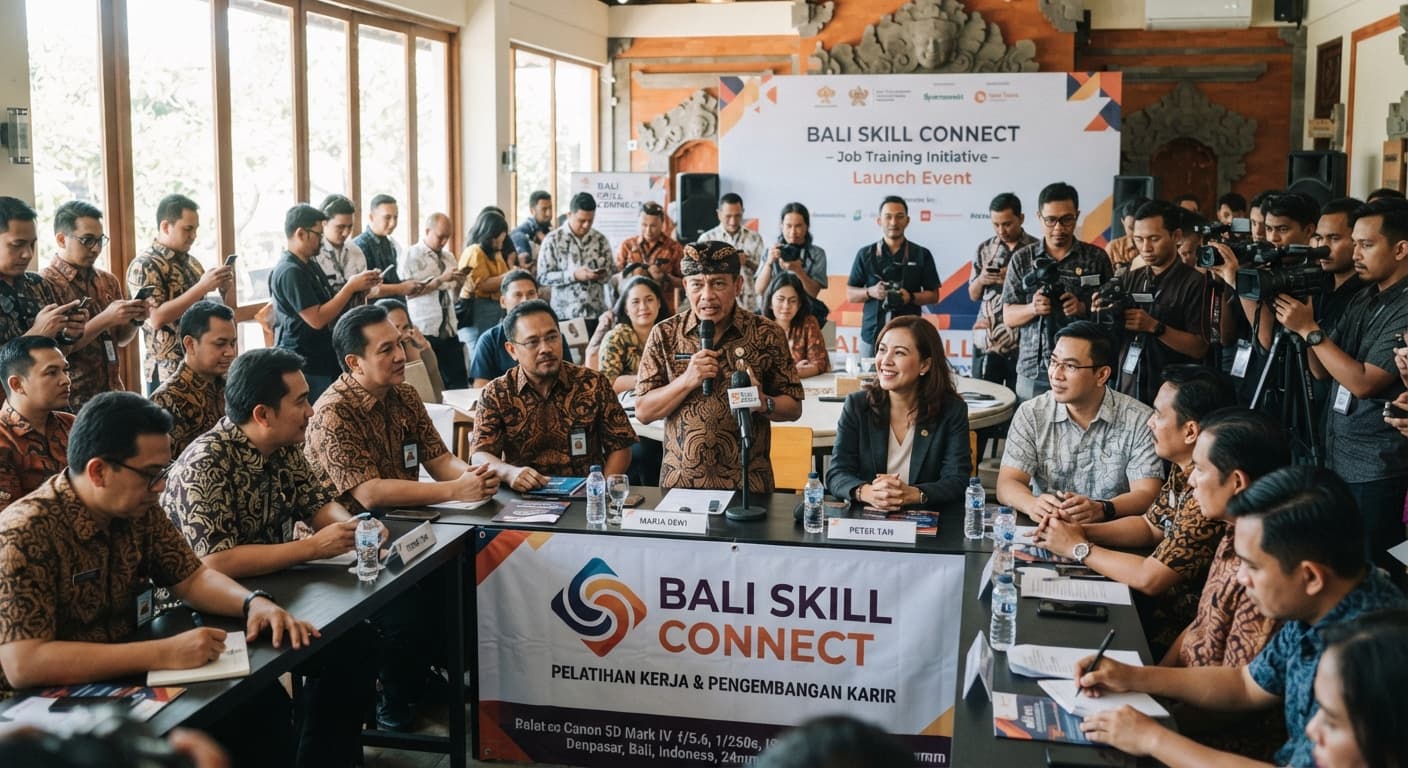
Local Businesses Collaborate to Enhance Job Training in Bali's Industries
A new initiative in Bali sees local businesses joining forces to provide comprehensive job training programs. This collaboration aims to address skill shortages and improve employment opportunities across various sectors.
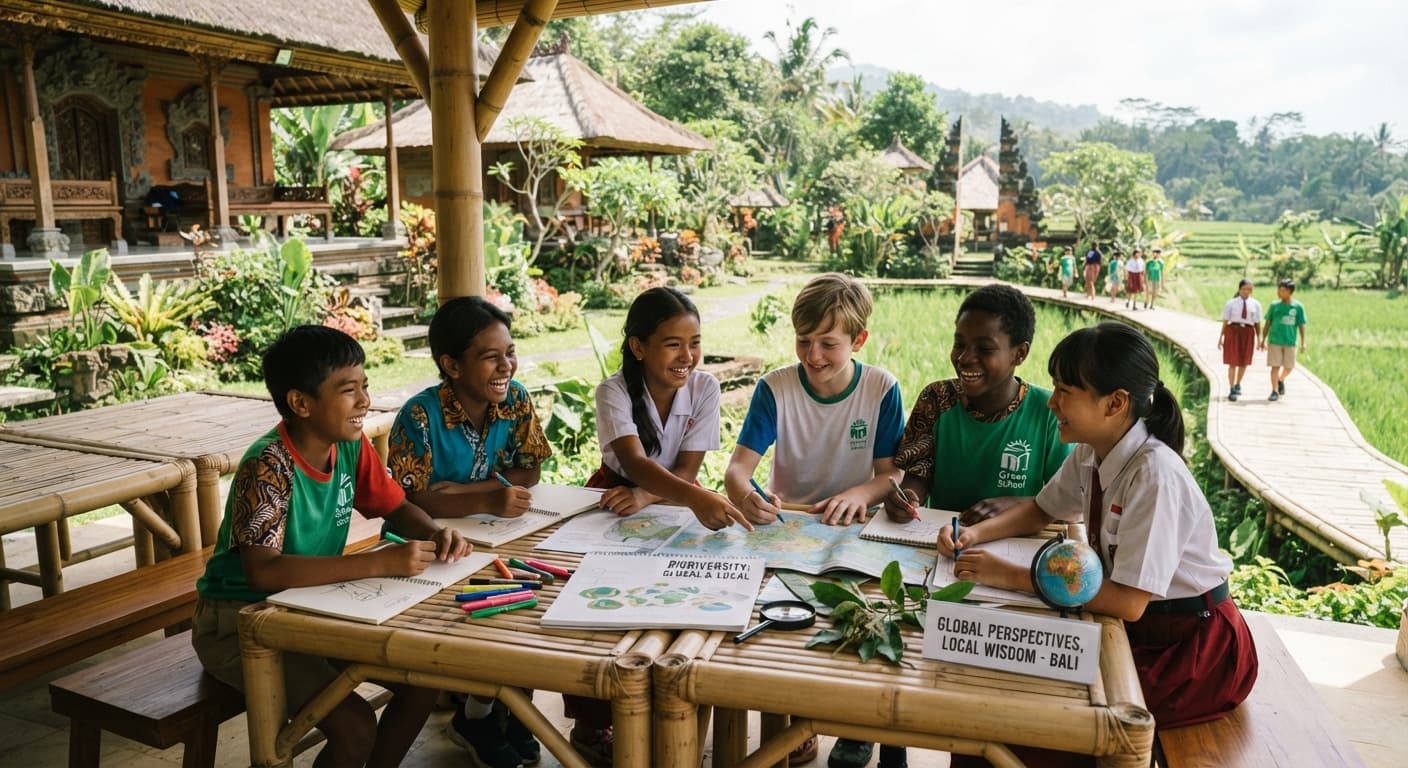
Balancing Act: Bali's Education System Faces Modern Challenges
Bali's education sector is grappling with the challenges of globalization and local cultural preservation. As international schools proliferate, the implications for traditional education are profound.
Comments (0)
No comments yet. Be the first!