Balancing Act: Bali's Education System Faces Modern Challenges
Bali's education sector is grappling with the challenges of globalization and local cultural preservation. As international schools proliferate, the implications for traditional education are profound.
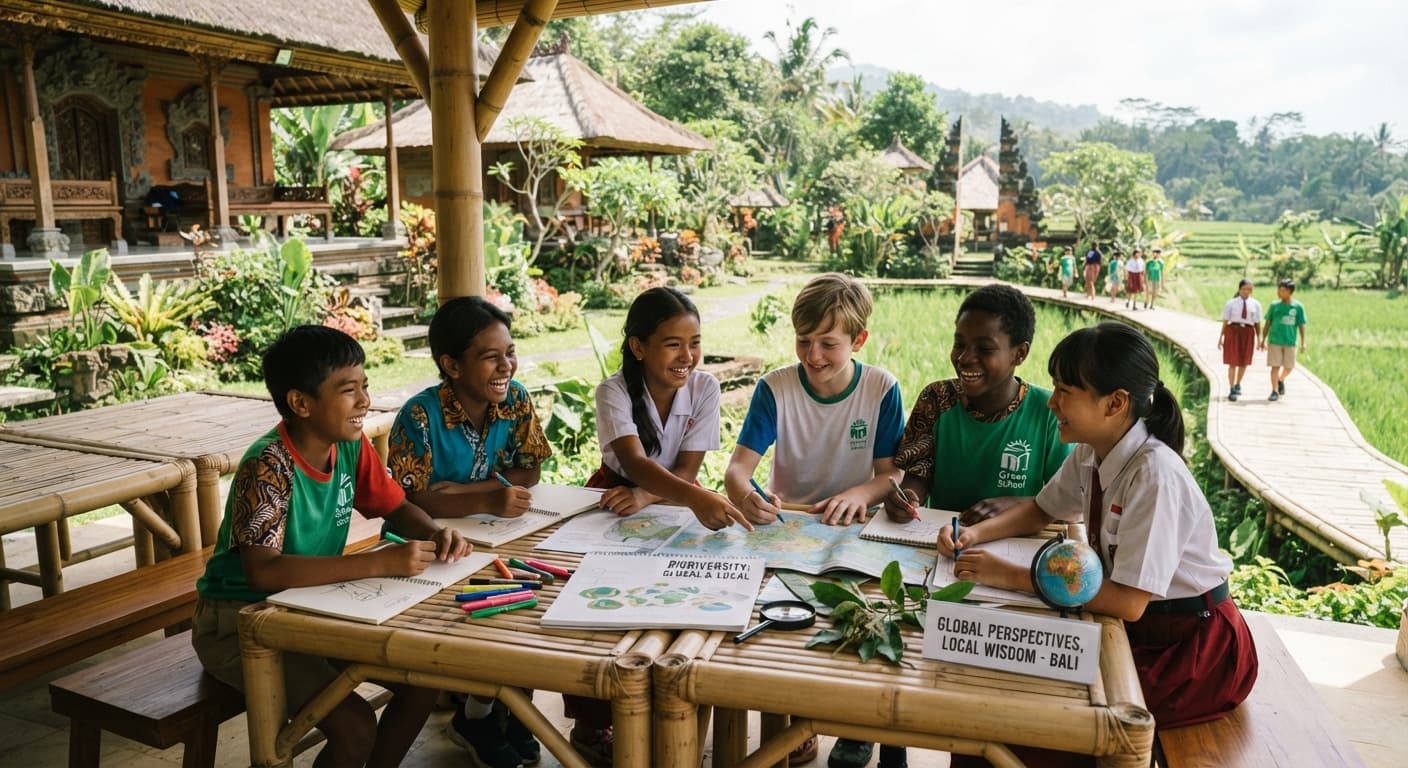
Bali's education landscape is undergoing a significant transformation as the demand for international schooling increases. With over 35 international schools now operating across the island, the pressure mounts on local educational institutions to adapt and compete. This boom in international education is reshaping the future of Bali's young minds and raising questions about the balance between global learning and local cultural preservation.
In recent years, the influx of expatriates and tourists has led to a rising demand for international schools that offer curricula aligned with Western education systems, such as the International Baccalaureate (IB) and the Cambridge International Examinations. According to the Bali Education Agency, enrollment in international schools has surged by nearly 30% since 2020, reflecting a broader trend of globalization in education.
Local schools, particularly those following the Indonesian national curriculum, are now facing increased competition. Many parents, drawn by the promise of a more globally recognized education, are opting for international schools, often at the expense of local institutions. This shift not only impacts educational diversity but also raises concerns about the future of Balinese culture and values in the younger generation.
Moreover, the quality of education in local schools varies significantly, with many lacking the resources to improve their facilities or curriculum. A report from the Indonesian Ministry of Education indicates that over 40% of local schools in Bali struggle with outdated teaching methods and insufficient materials. This disparity creates a challenging environment where local schools must find innovative ways to attract students.
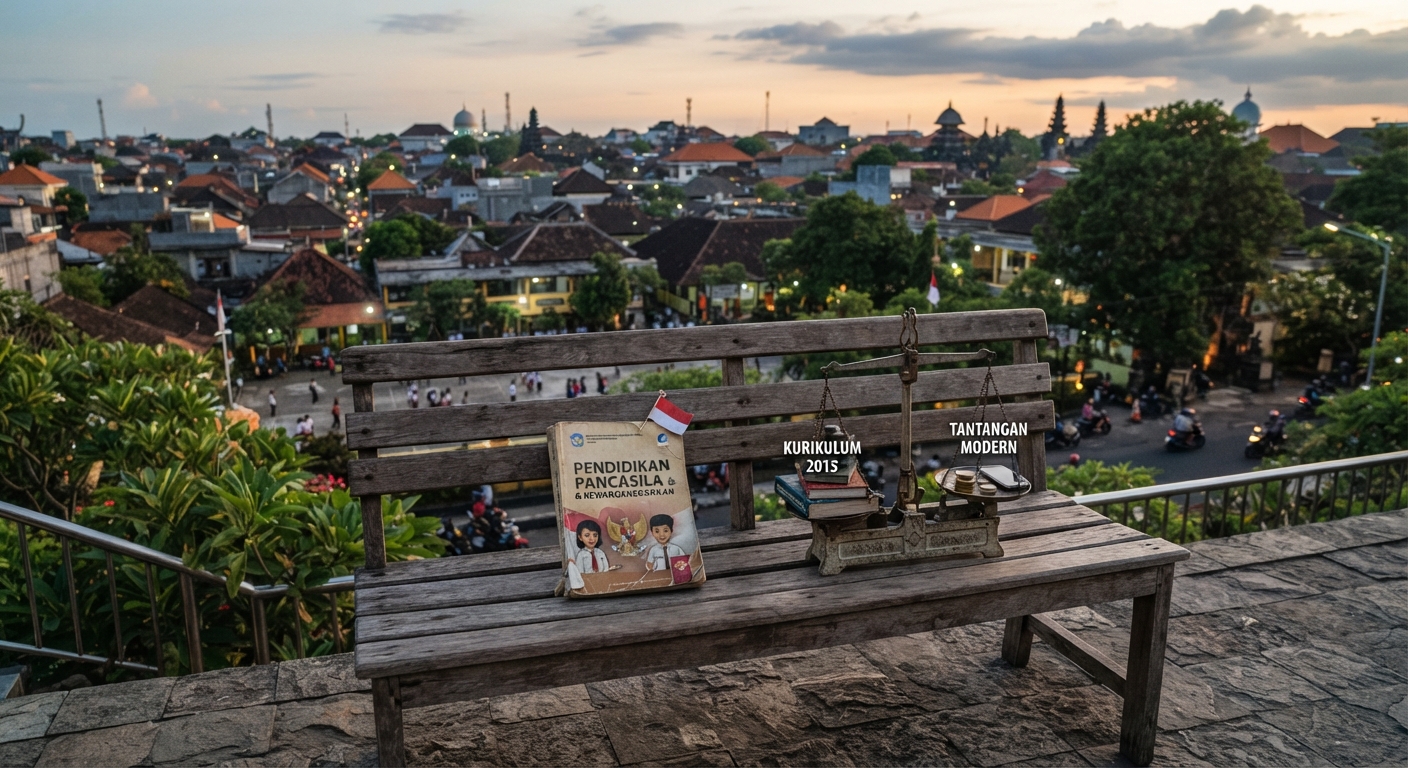
To address these challenges, some local schools are beginning to adapt their offerings. For instance, schools in areas like Denpasar and Gianyar are incorporating elements of international curricula while maintaining a focus on Balinese culture and language. This approach aims to provide students with a well-rounded education that honors their heritage while preparing them for a globalized world.
Experts suggest that collaboration between international and local schools could be beneficial. Dr. I Nyoman Sudiana, an education consultant based in Bali, advocates for partnerships that allow local schools to share resources and best practices with their international counterparts. "By working together, we can enhance educational quality across the board and ensure that our students are well-prepared for the future," he stated.
However, the transition is not without its hurdles. Local schools often face bureaucratic challenges that slow down innovation. Additionally, there is a cultural hesitance among some educators and parents to embrace changes that may dilute traditional Balinese values.
As Bali moves towards a more integrated educational framework, the role of the provincial government will be crucial. The Bali Education Agency has indicated plans to revise educational policies to better support local schools and encourage a blend of international and local educational practices. However, these policies will need to be carefully crafted to avoid alienating either side of the educational spectrum.

The implications of these trends extend beyond education. The cultural identity of Bali is at stake as the younger generation navigates between local traditions and global influences. Community leaders emphasize the importance of instilling a sense of pride in Balinese culture, even as students gain exposure to international perspectives.
As the education sector continues to evolve, the key challenge will be finding a sustainable balance that respects local culture while embracing the benefits of a globalized world. Without careful consideration and strategic planning, Bali risks losing its unique identity in the pursuit of modern education.
In conclusion, the educational landscape in Bali is at a crossroads. The rise of international schools presents both opportunities and challenges that must be navigated thoughtfully. Collaboration, innovation, and a commitment to cultural preservation will be essential as Bali strives to create an educational system that meets the needs of its diverse student population.


Read Also from Other Categories
Cultural Tourism in Bali: A Shift Towards Experiential Journeys
Bali's tourism landscape is evolving as visitors seek deeper cultural connections. This trend is reshaping the offerings of local operators and hotels, fostering a more immersive travel experience.
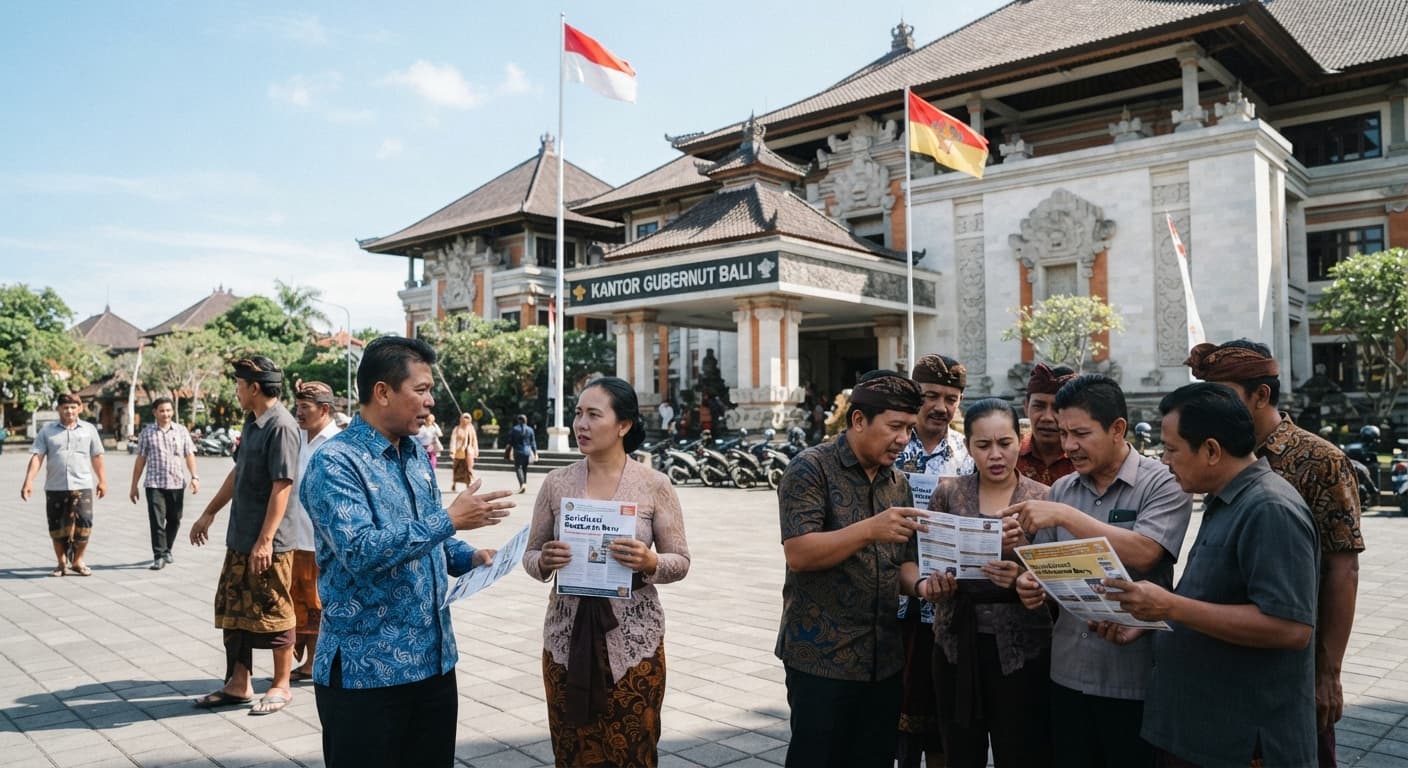
Bali's Public Services Face Scrutiny Amid New Regulatory Changes
Bali's provincial government is implementing new regulations aimed at improving public service efficiency and accountability. These changes have sparked both support and criticism from local citizens and officials.
Investors Eye Bali's Eco-Tourism Ventures Amid Rising Global Consciousness
As eco-tourism gains traction worldwide, Bali emerges as a hotspot for investments in sustainable travel ventures. Local entrepreneurs and international investors alike are capitalizing on the island's natural beauty and cultural richness to promote environmental responsibility.
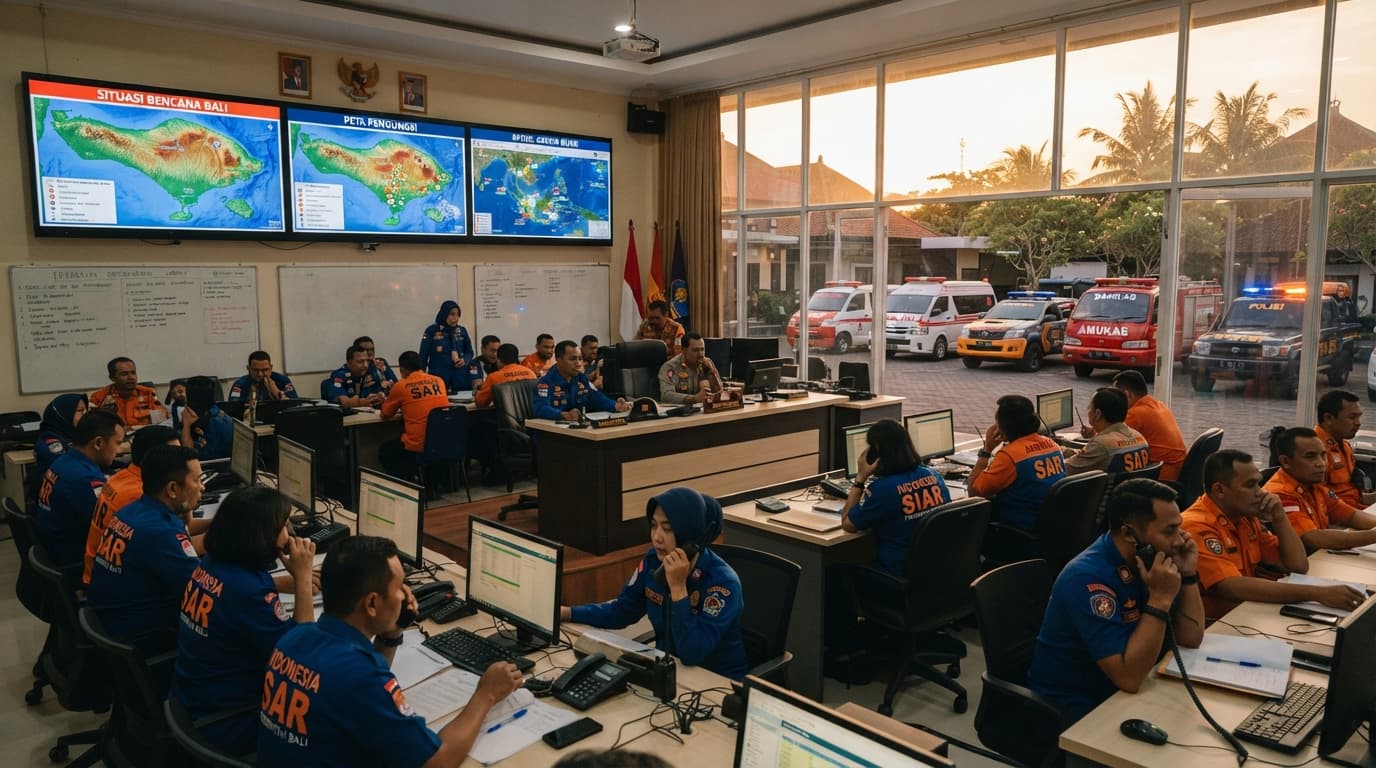
Surge in Emergency Calls Amid Increased Natural Disaster Risks in Bali
Bali's emergency services report a 30% rise in calls related to natural disasters this year. The increase highlights the urgent need for improved disaster preparedness and community awareness.
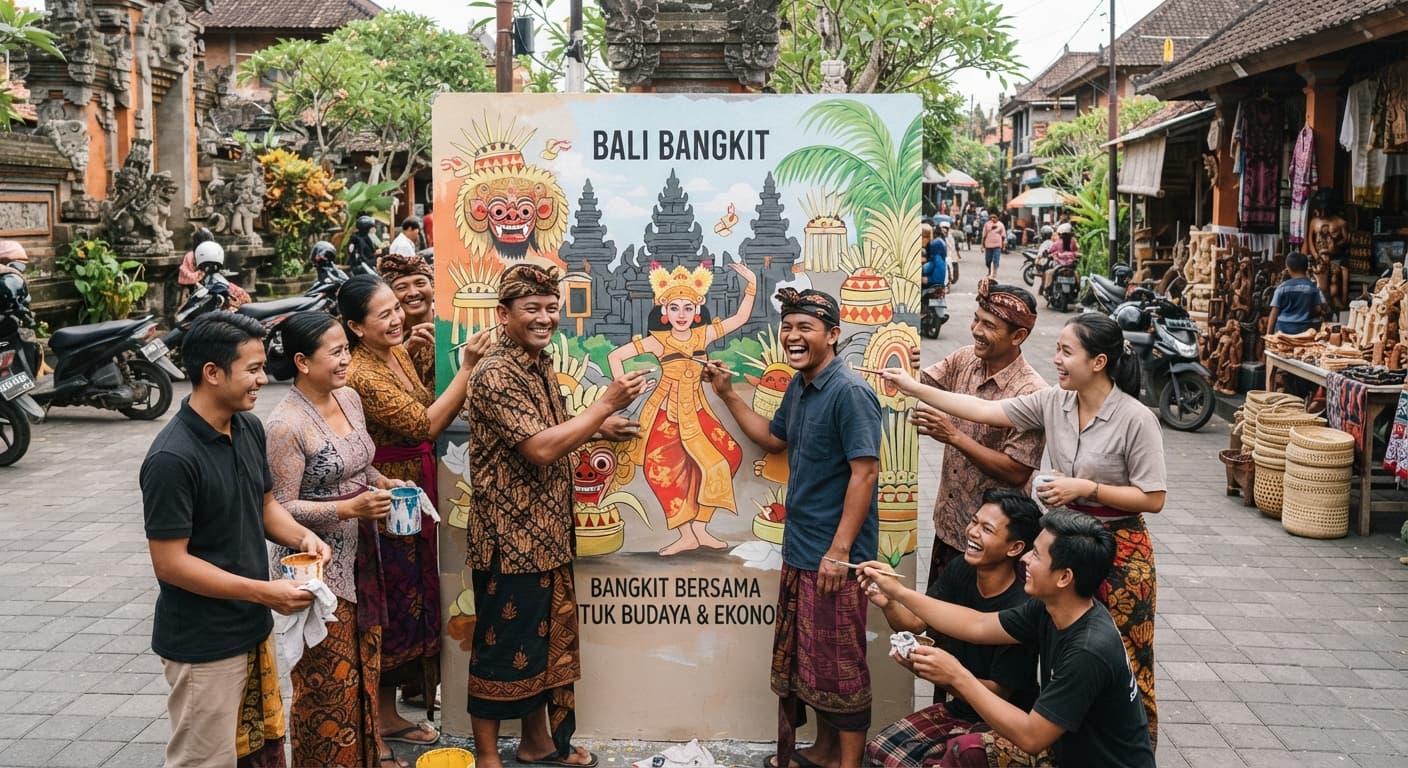
Community Recovery Efforts Strengthen Bali's Post-Pandemic Resilience
As Bali emerges from the shadows of the pandemic, local communities unite to implement recovery initiatives aimed at revitalizing the economy and preserving cultural heritage. Through grassroots efforts, residents are fostering a renewed sense of community and resilience.
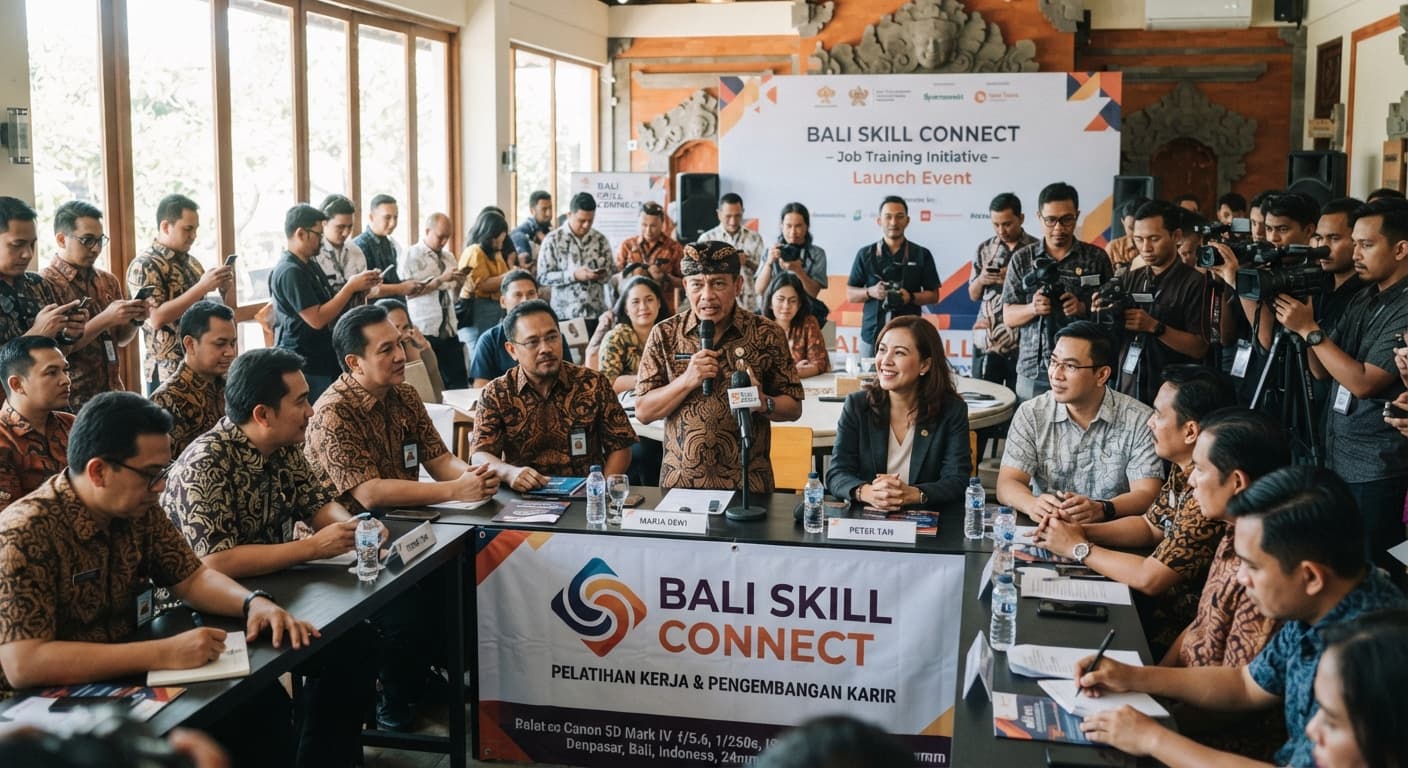
Local Businesses Collaborate to Enhance Job Training in Bali's Industries
A new initiative in Bali sees local businesses joining forces to provide comprehensive job training programs. This collaboration aims to address skill shortages and improve employment opportunities across various sectors.
Comments (0)
No comments yet. Be the first!