New Regulations Aim to Enhance Bali's Digital Economy Landscape
Bali’s provincial government is set to implement new regulations designed to boost the digital economy, responding to the increasing demand for technology-driven services. Governor Wayan Koster emphasizes the need for a robust digital infrastructure to support local businesses and attract foreign investment.

In the heart of Denpasar, a bustling café is filled with the hum of conversations and the clatter of keyboards, where local entrepreneurs gather to share ideas and network. Among them sits I Made Jaya, a young tech entrepreneur, engrossed in a discussion about the future of Bali’s digital economy. "We have so much potential here, but we need the right support from the government to really thrive," he says, his eyes reflecting both hope and determination.
The conversation around Bali’s digital economy is heating up as the provincial government prepares to introduce new regulations aimed at enhancing the infrastructure and support systems for technology-driven businesses. Governor Wayan Koster announced these initiatives during a recent meeting with local business leaders, highlighting the government’s commitment to fostering a robust digital ecosystem that can compete on an international scale.
Koster pointed out that with the rapid technological advancements and the increasing reliance on digital services, it’s imperative for Bali to adapt and innovate. "We are in a pivotal moment where digital transformation is not just an option, but a necessity for our economy’s future," he stated. The Governor’s vision includes creating a conducive environment for startups and established businesses alike, ensuring that they have access to the resources they need to succeed.
One of the key components of the proposed regulations is the establishment of a Digital Economy Task Force, which will be responsible for developing strategies to enhance Bali's digital infrastructure. This includes improving internet connectivity across the island, which has been a longstanding challenge, particularly in rural areas. "Reliable internet access is crucial for any tech business to operate efficiently," Jaya emphasizes, echoing the sentiments of many in the community.
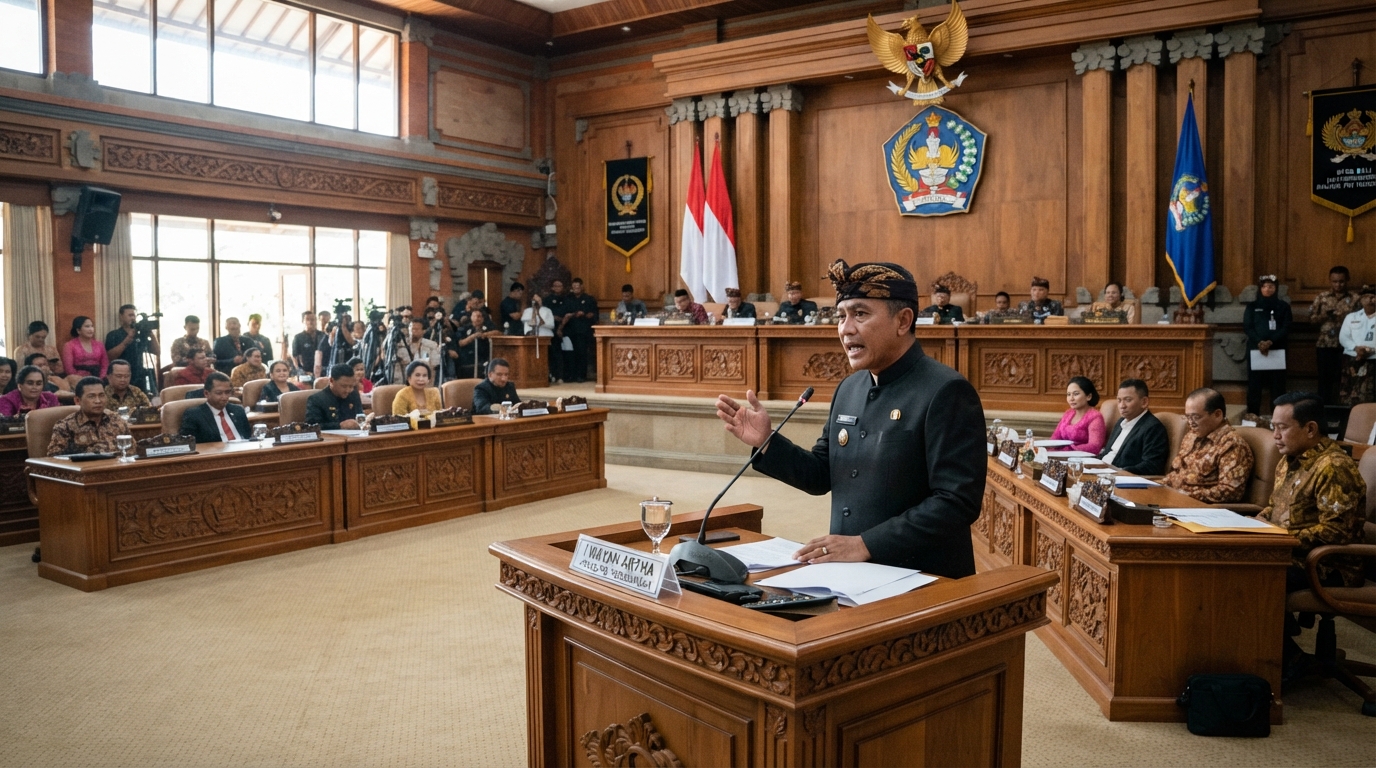
In addition to infrastructure improvements, the government plans to introduce incentives for businesses that invest in digital technologies. These incentives may include tax breaks and grants, aimed at attracting foreign investment into Bali’s tech sector. The hope is that by creating a favorable business environment, more startups will emerge, contributing to job creation and economic growth.
Furthermore, the regulations will also focus on enhancing digital literacy among the local population. Workshops and training programs will be implemented to equip residents with the necessary skills to thrive in the digital economy. This initiative is particularly crucial, as it aims to bridge the gap between traditional industries and modern technological advancements.
Local government officials have expressed optimism about the potential impact of these new regulations. Ketut Sudarma, Head of the Bali Investment Board, stated, "We are committed to making Bali a digital hub for Southeast Asia. With the right policies in place, we can attract talent and investment that will elevate our economy." This optimism is shared by many in the tech community, who see the regulations as a step in the right direction.

However, the road ahead is not without challenges. Some local business owners have voiced concerns about the bureaucratic hurdles that may accompany the new regulations. As Bali moves towards a more digital-centric economy, there is a pressing need for transparency and efficiency in the regulatory processes to ensure that businesses can adapt quickly.
As discussions continue, the upcoming regulations are poised to reshape the landscape of Bali’s economy. The provincial government is keenly aware that the success of these initiatives hinges on collaboration between the public and private sectors. Governor Koster’s call for unity in this endeavor resonates strongly with entrepreneurs like Jaya, who are eager to see Bali flourish in the digital age.
Looking ahead, the implementation of these regulations could not only transform the local economy but also position Bali as a leading player in the digital economy of Southeast Asia. As the sun sets over the island, casting a warm glow over its vibrant streets, there is a palpable sense of anticipation for what the future holds.



Read Also from Other Categories

Cultural Tourism in Bali: A Shift Towards Experiential Journeys
Bali's tourism landscape is evolving as visitors seek deeper cultural connections. This trend is reshaping the offerings of local operators and hotels, fostering a more immersive travel experience.

Investors Eye Bali's Eco-Tourism Ventures Amid Rising Global Consciousness
As eco-tourism gains traction worldwide, Bali emerges as a hotspot for investments in sustainable travel ventures. Local entrepreneurs and international investors alike are capitalizing on the island's natural beauty and cultural richness to promote environmental responsibility.

Surge in Emergency Calls Amid Increased Natural Disaster Risks in Bali
Bali's emergency services report a 30% rise in calls related to natural disasters this year. The increase highlights the urgent need for improved disaster preparedness and community awareness.

Community Recovery Efforts Strengthen Bali's Post-Pandemic Resilience
As Bali emerges from the shadows of the pandemic, local communities unite to implement recovery initiatives aimed at revitalizing the economy and preserving cultural heritage. Through grassroots efforts, residents are fostering a renewed sense of community and resilience.
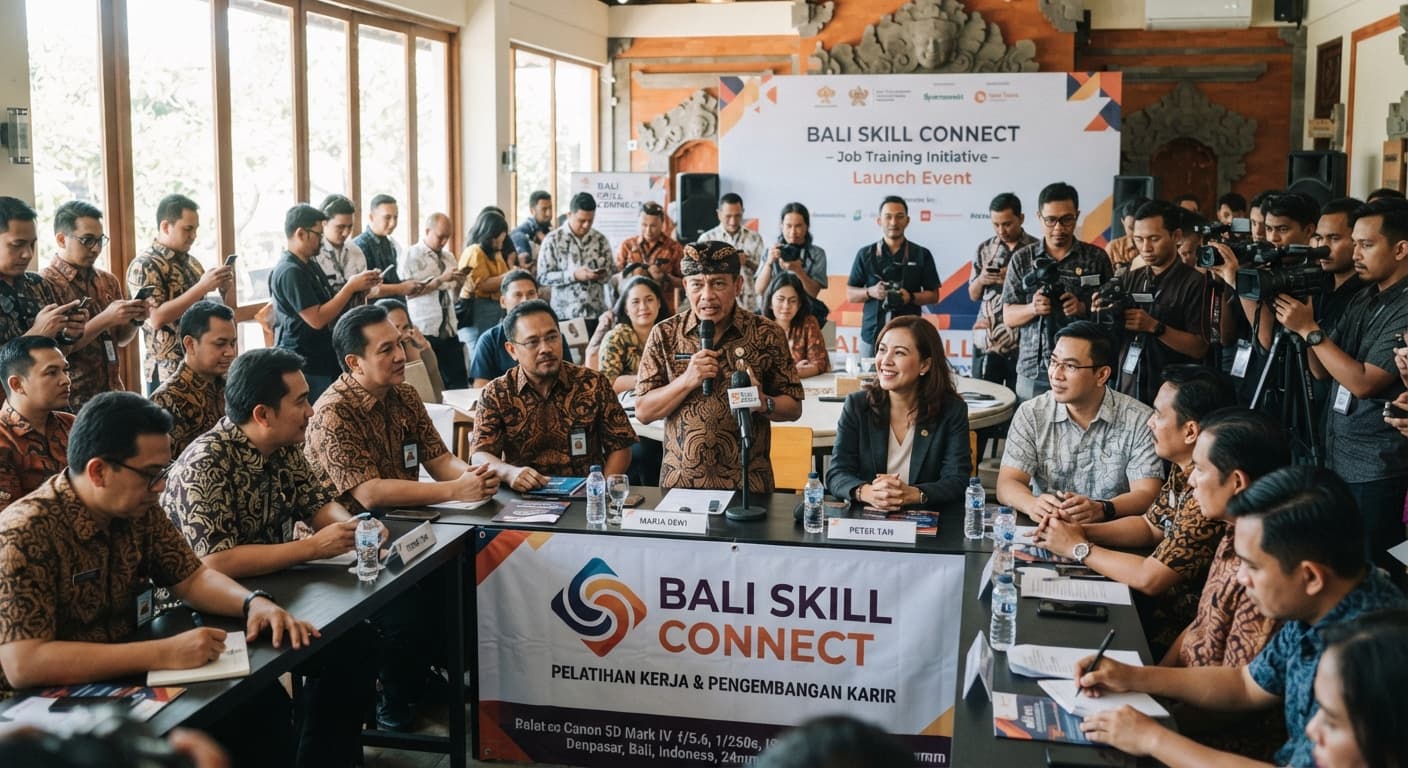
Local Businesses Collaborate to Enhance Job Training in Bali's Industries
A new initiative in Bali sees local businesses joining forces to provide comprehensive job training programs. This collaboration aims to address skill shortages and improve employment opportunities across various sectors.

Balancing Act: Bali's Education System Faces Modern Challenges
Bali's education sector is grappling with the challenges of globalization and local cultural preservation. As international schools proliferate, the implications for traditional education are profound.
Comments (0)
No comments yet. Be the first!