Bali's Public Services Face Scrutiny Amid New Regulatory Changes
Bali's provincial government is implementing new regulations aimed at improving public service efficiency and accountability. These changes have sparked both support and criticism from local citizens and officials.
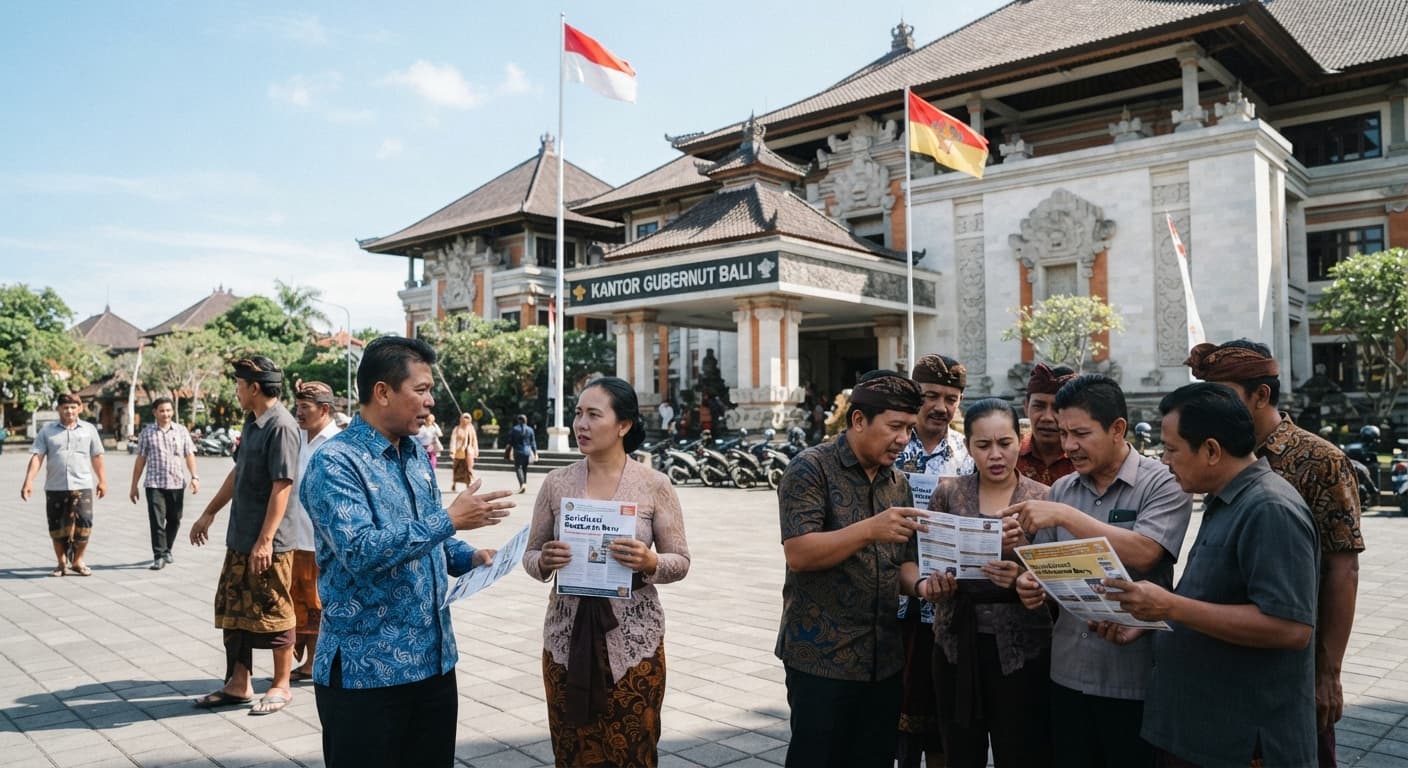
As Bali navigates a complex landscape of public service demands, the provincial government has recently introduced a series of regulatory changes aimed at enhancing efficiency and accountability within its administrative framework. The new regulations, which were rolled out in early October 2023, emphasize the need for transparency in government operations and are expected to significantly impact how services are delivered to residents and visitors alike.
Governor Wayan Koster stated that these reforms are crucial in fostering a more responsive government that can effectively cater to the needs of its constituents. "We are committed to ensuring that our public services are not only efficient but also transparent and accountable," he said during a press conference in Renon. The governor's office has emphasized that these measures are part of a broader strategy to improve governance across all sectors of Bali's public administration.
One of the most notable changes is the implementation of a new digital platform designed to streamline public service requests and improve communication between government offices and the public. This platform is expected to reduce bureaucratic delays and enhance the overall user experience for residents seeking permits, licenses, and other essential services.
In addition to digital reforms, the provincial government is also increasing the frequency of audits and evaluations of public service departments. This initiative aims to hold departments accountable for their performance and ensure that public funds are utilized effectively. The government has allocated a budget increase of 15% for oversight and evaluation purposes in the 2024 fiscal year, reflecting its commitment to accountability.
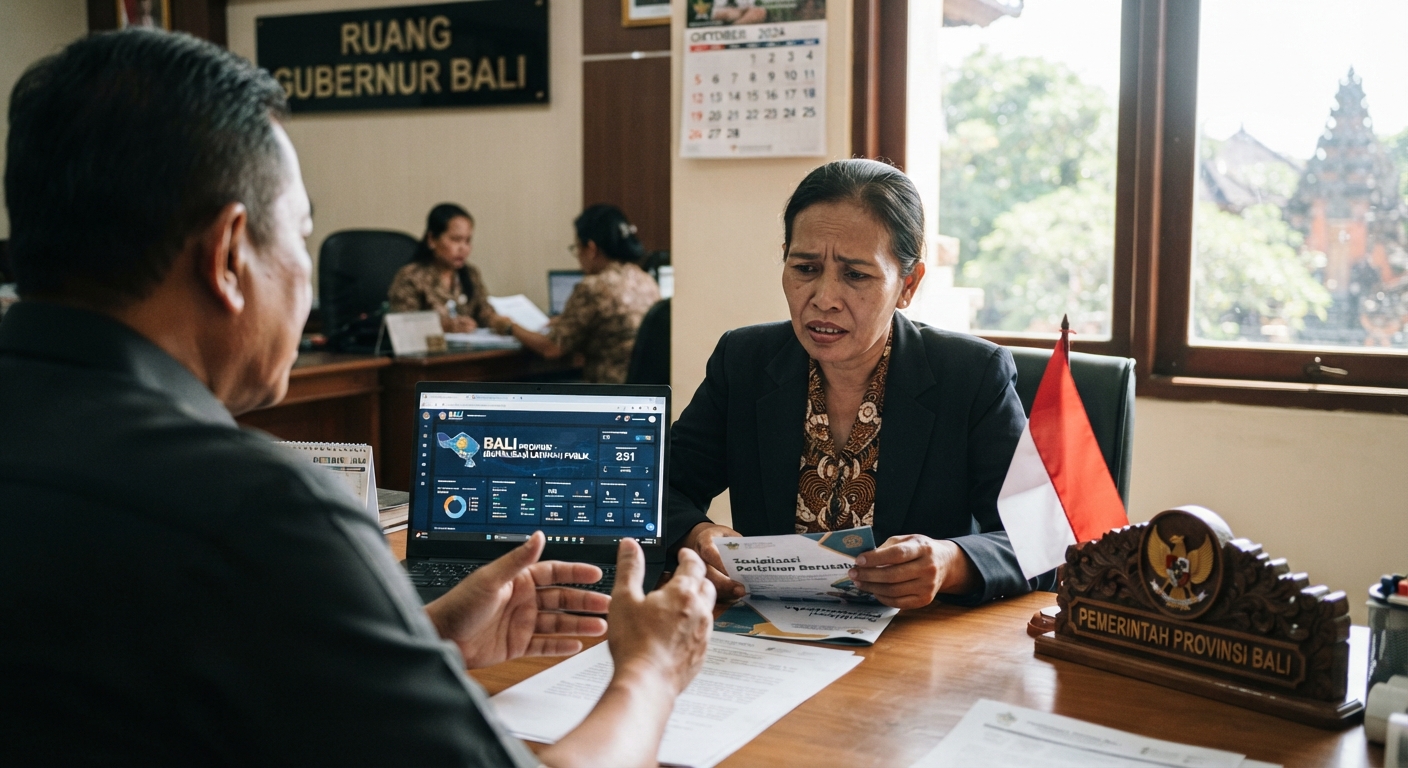
However, while many citizens have welcomed these changes, there are also voices of dissent. Critics argue that the new regulations may lead to increased bureaucracy and that the digital platform could alienate those who are not tech-savvy or lack access to digital devices. Local activist Nyoman Suada expressed concerns, stating, "While we appreciate the government's efforts, we fear that not everyone will benefit equally from these changes. It is essential that we ensure inclusivity in the implementation of new technologies."
The public response has also highlighted the need for training and education on the new systems being introduced. Many residents are calling for workshops and information sessions to help them navigate the digital services that will soon be available. The provincial government has acknowledged this feedback and is currently working with local NGOs to establish training programs aimed at empowering residents to utilize the new platform effectively.
Furthermore, the timing of these regulatory changes comes amid broader discussions in Jakarta regarding national public service reforms. The central government has been pushing for increased efficiency in public sector operations, which has put additional pressure on provincial governments like Bali’s to adapt quickly. This alignment with national policy may provide Bali with additional funding and resources to support its public service initiatives, although it also raises questions about local autonomy in decision-making.

As these changes unfold, Bali's provincial government is keen on promoting an image of reform and modernization. Officials are optimistic that the new regulatory framework will not only improve service delivery but also restore public trust in government institutions. The governor's office has scheduled a series of public forums to gather ongoing feedback from citizens about the new regulations and their experiences with public services.
In conclusion, Bali's efforts to reform its public services through regulatory changes are met with both enthusiasm and skepticism. As the provincial government moves forward with its implementation, the real test will be whether these reforms can genuinely enhance the lives of residents and visitors while addressing the concerns raised by critics. The coming months will be critical in determining the success of these initiatives and their long-term impact on Bali's governance.



Read Also from Other Categories

Cultural Tourism in Bali: A Shift Towards Experiential Journeys
Bali's tourism landscape is evolving as visitors seek deeper cultural connections. This trend is reshaping the offerings of local operators and hotels, fostering a more immersive travel experience.

Investors Eye Bali's Eco-Tourism Ventures Amid Rising Global Consciousness
As eco-tourism gains traction worldwide, Bali emerges as a hotspot for investments in sustainable travel ventures. Local entrepreneurs and international investors alike are capitalizing on the island's natural beauty and cultural richness to promote environmental responsibility.
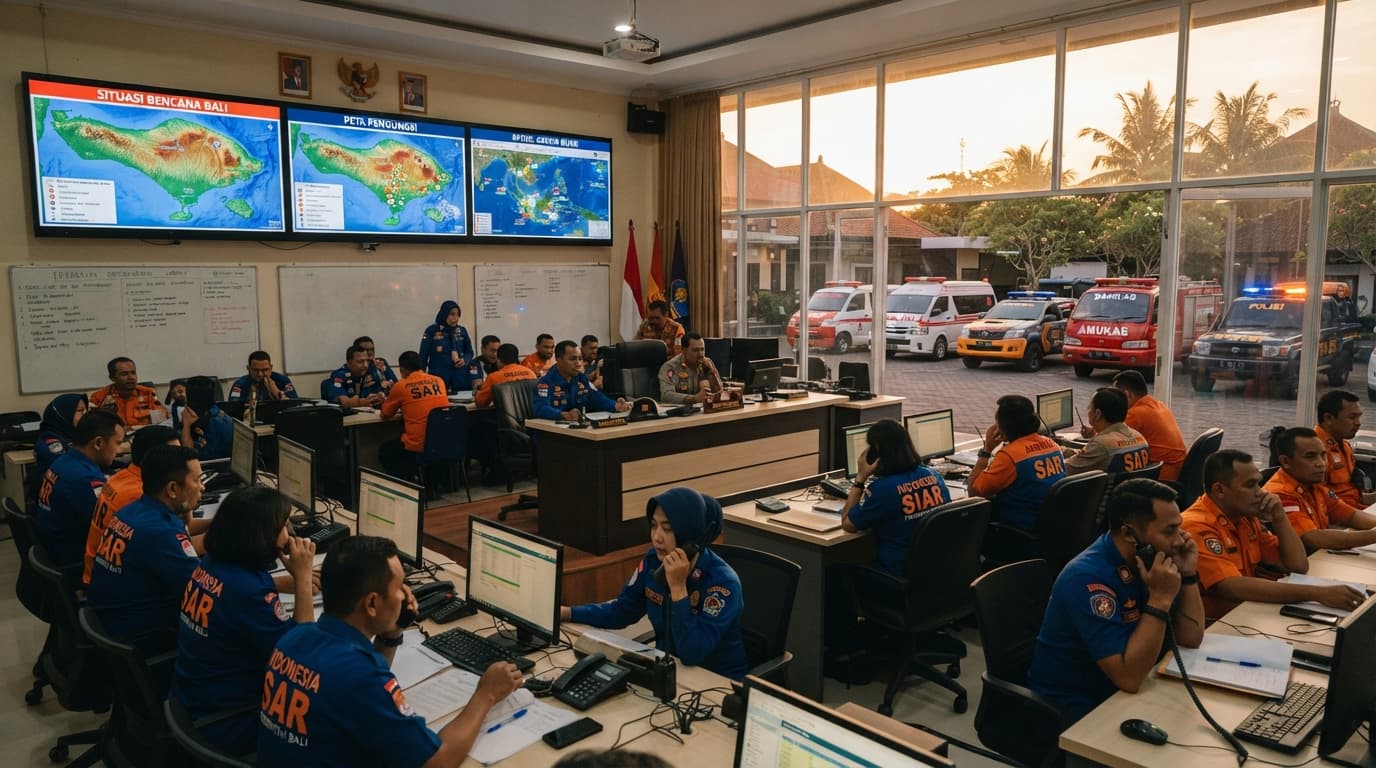
Surge in Emergency Calls Amid Increased Natural Disaster Risks in Bali
Bali's emergency services report a 30% rise in calls related to natural disasters this year. The increase highlights the urgent need for improved disaster preparedness and community awareness.

Community Recovery Efforts Strengthen Bali's Post-Pandemic Resilience
As Bali emerges from the shadows of the pandemic, local communities unite to implement recovery initiatives aimed at revitalizing the economy and preserving cultural heritage. Through grassroots efforts, residents are fostering a renewed sense of community and resilience.
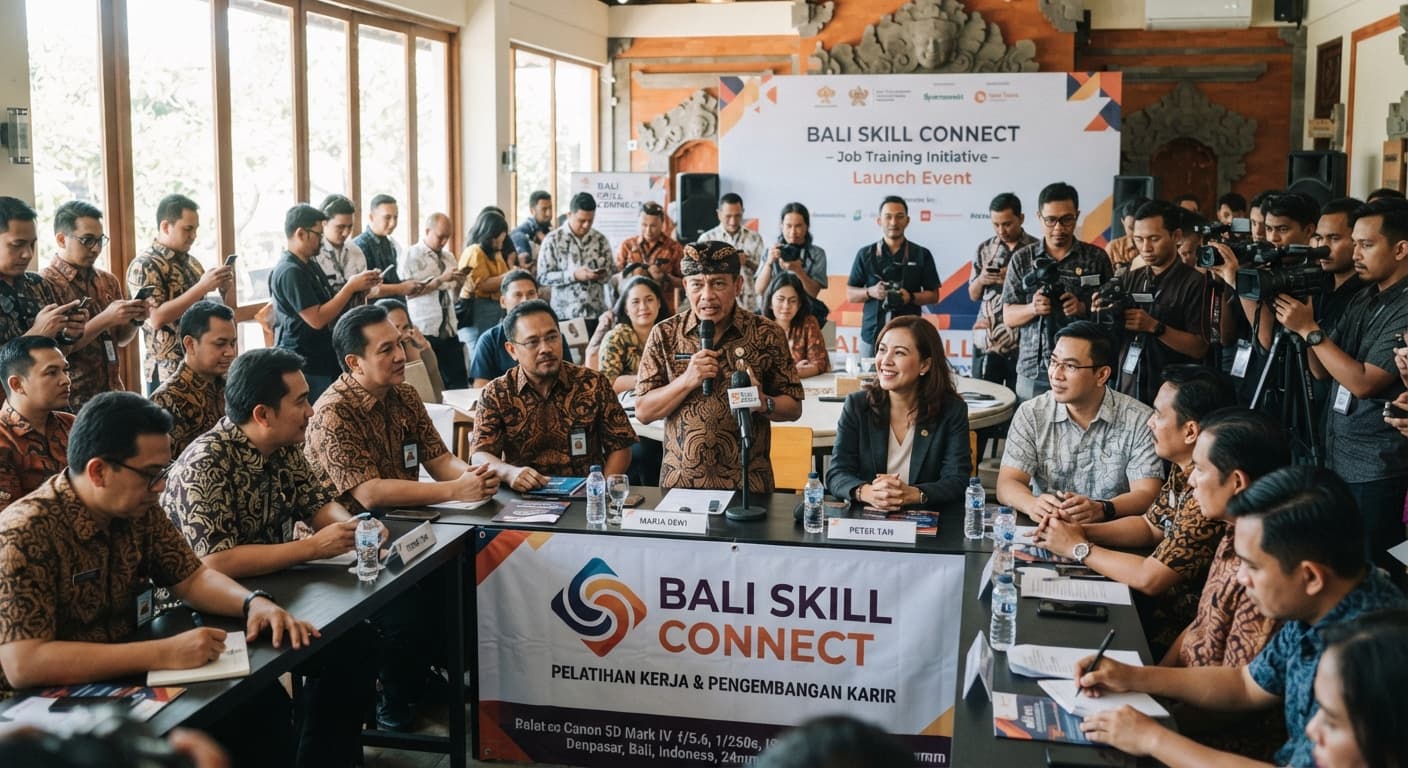
Local Businesses Collaborate to Enhance Job Training in Bali's Industries
A new initiative in Bali sees local businesses joining forces to provide comprehensive job training programs. This collaboration aims to address skill shortages and improve employment opportunities across various sectors.

Balancing Act: Bali's Education System Faces Modern Challenges
Bali's education sector is grappling with the challenges of globalization and local cultural preservation. As international schools proliferate, the implications for traditional education are profound.
Comments (0)
No comments yet. Be the first!