Ubud's Art Scene Thrives as Eco-Conscious Tourism Gains Momentum
Ubud is witnessing a surge in eco-conscious tourism, attracting visitors keen on sustainability. This trend is reshaping the local economy and fostering a deeper connection between tourists and the community.
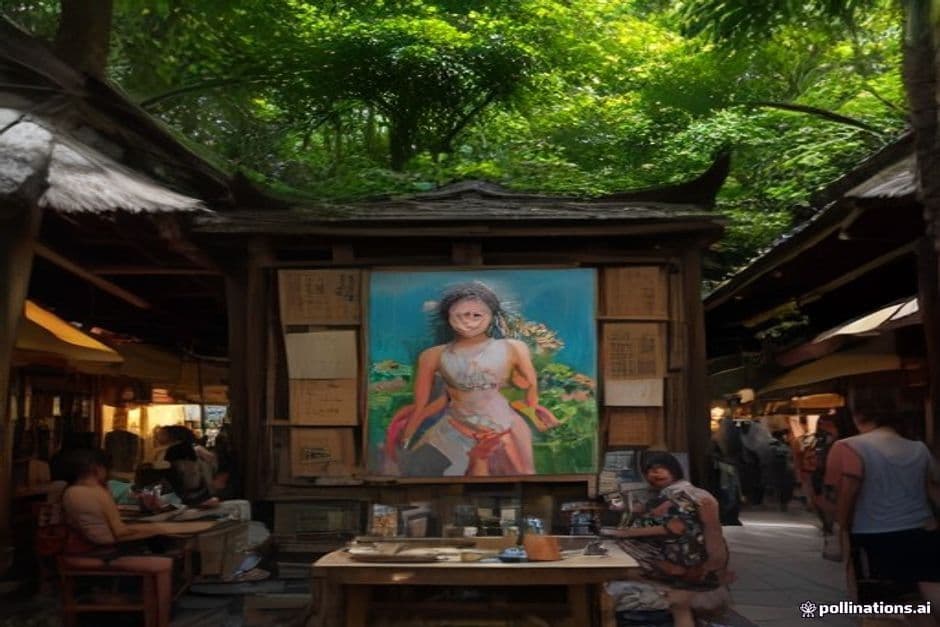
Ubud, once primarily known for its lush landscapes and rich cultural heritage, is now evolving into a hub for eco-conscious tourism. As awareness around sustainable practices grows globally, visitors are increasingly seeking experiences that align with their values, leading to a resurgence in Ubud's art scene and community-driven initiatives.
Recent reports indicate that eco-tourism in Ubud has seen a marked increase, with local businesses adapting to meet the demands of environmentally-aware travelers. According to the Ubud Tourism Board, eco-friendly accommodations and cultural workshops have attracted a 30% increase in bookings over the past year, highlighting a shift in tourist preferences.
One notable establishment, the Green House, has emerged as a prime example of sustainable hospitality. Owned by local artist and entrepreneur Made Wijaya, the hotel boasts an organic garden that supplies fresh produce to its kitchen. Wijaya emphasizes the importance of preserving the natural environment while providing a unique cultural experience for guests. "We want our visitors to not only enjoy the beauty of Ubud but to also participate in protecting it," says Wijaya.
Additionally, workshops focusing on traditional crafts and sustainable practices are flourishing. Local artisans are offering classes on batik making, wood carving, and natural dyeing, providing tourists with hands-on experiences that connect them with Balinese culture. This trend not only enriches the visitor experience but also supports local economies by ensuring that artisans receive fair compensation for their work.

Ubud's commitment to sustainability is also reflected in its annual Eco-Festival, which features workshops, panel discussions, and exhibitions focused on environmental awareness and cultural preservation. The festival has drawn significant attention, with participation from international speakers and eco-entrepreneurs. The event serves as a platform for sharing knowledge about sustainable practices and promoting local artisans.
In response to the growing interest in eco-tourism, the local government has started initiatives aimed at enhancing the infrastructure to support this trend. Efforts include improving waste management systems and promoting the use of renewable energy sources in tourism-related businesses. The Head of Ubud's Tourism Department, Nyoman Suwandhi, stated, "We recognize the importance of eco-conscious tourism in preserving our heritage and environment for future generations."
The impact of eco-tourism on Ubud's community is evident in the sense of pride and ownership that locals feel towards their environment and culture. Residents are increasingly involved in promoting sustainable practices, from participating in clean-up initiatives to supporting local agriculture. This community engagement not only enhances the visitor experience but also fosters a deeper connection between tourists and the local culture.
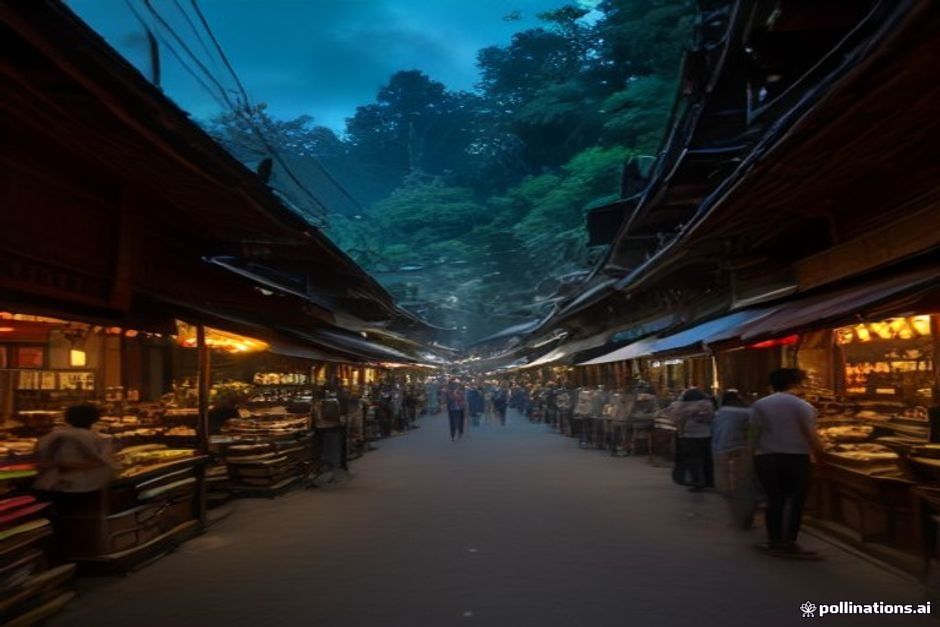
As Ubud continues to embrace eco-conscious tourism, it faces challenges in balancing growth with sustainability. The influx of tourists has led to concerns about over-tourism and its impact on the environment. However, local leaders are determined to find a path that allows for economic growth while preserving Ubud's unique cultural and natural landscape.
In conclusion, Ubud's transformation into a center for eco-conscious tourism marks a significant shift in the region's tourism landscape. With its focus on sustainability and community engagement, Ubud is setting a precedent for other regions in Bali and beyond. As tourists increasingly seek experiences that reflect their values, Ubud stands poised to thrive as a destination that celebrates both nature and culture.

Read Also from Other Categories

Jakarta's New Policies Spark Controversy Over Bali's Agricultural Future
Recent agricultural policies from Jakarta are causing a stir in Bali, raising concerns among local farmers about their livelihoods. The provincial government is pushing back against regulations perceived as detrimental to traditional practices and food security.
Investors Eye Bali's Eco-Tourism Ventures Amid Rising Global Consciousness
As eco-tourism gains traction worldwide, Bali emerges as a hotspot for investments in sustainable travel ventures. Local entrepreneurs and international investors alike are capitalizing on the island's natural beauty and cultural richness to promote environmental responsibility.

Emergency Preparedness in Bali: A Community Focus Amid Natural Threats
As climate change intensifies weather patterns, Bali's communities are stepping up emergency preparedness measures. Local authorities emphasize the importance of readiness as the island faces increased risks from natural disasters.

Innovative Water Management Strategies Address Bali's Scarcity Crisis
Bali's growing water scarcity has prompted local governments and communities to implement innovative water management strategies. These initiatives aim to balance the needs of agriculture, tourism, and the local population while preserving the island's natural resources.
Uncovering Bali's Hidden Job Market: Opportunities in Eco-Tourism and Beyond
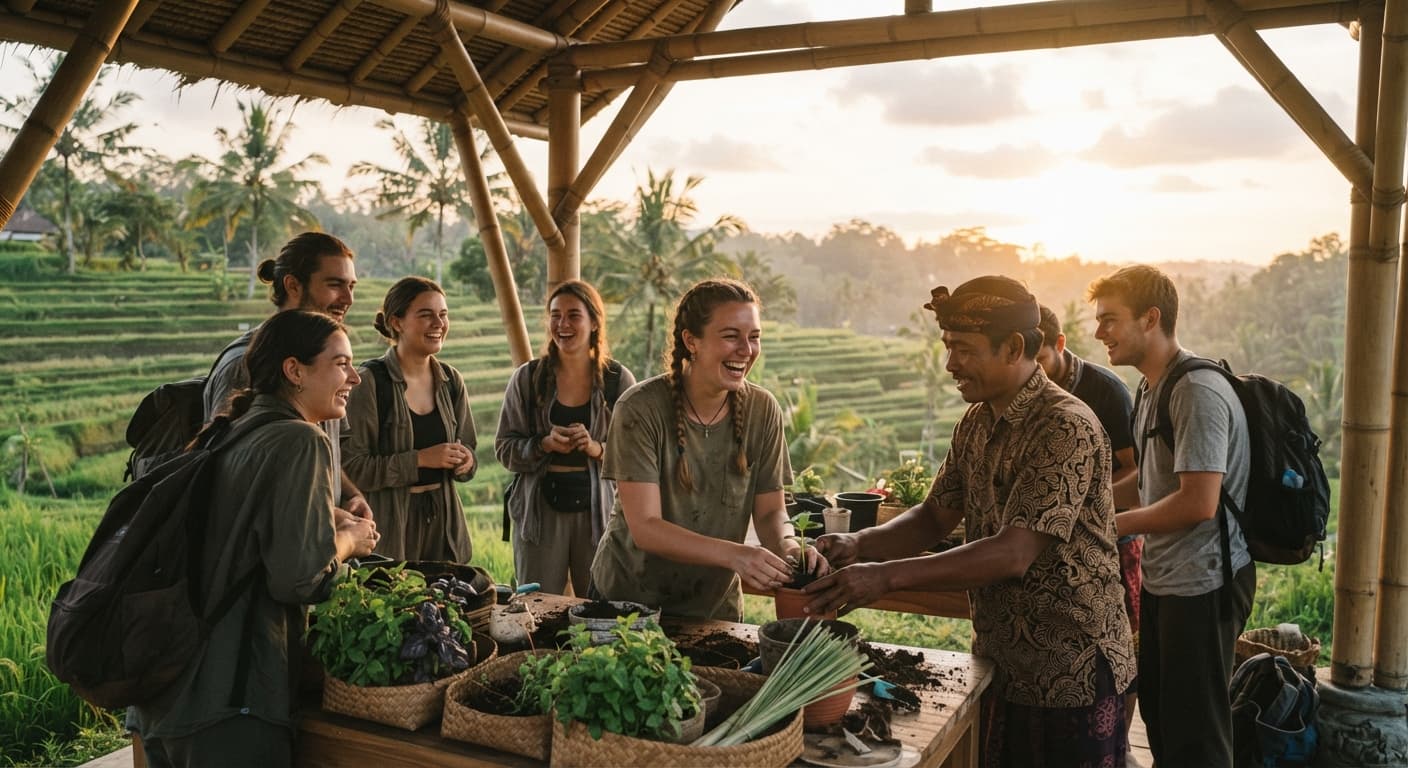
Bali's job landscape is evolving, with eco-tourism and sustainability initiatives creating new employment opportunities. As local businesses adapt to environmental challenges, training programs are emerging to equip workers with the necessary skills.
In Ubud, the Intersection of Art and Technology Sparks New Culture
As artists in Ubud embrace digital platforms, a cultural renaissance unfolds that blends traditional Balinese artistry with modern technology. This shift is redefining not only art consumption but also local community dynamics.
Comments (0)
No comments yet. Be the first!