Surge in Luxury Villas Reshapes Bali's Tourism Experience in 2026
A remarkable 35% increase in luxury villa rentals marks a new trend in Bali's tourism landscape, catering to affluent travelers. This shift is reshaping visitor experiences and impacting local economies across popular destinations.
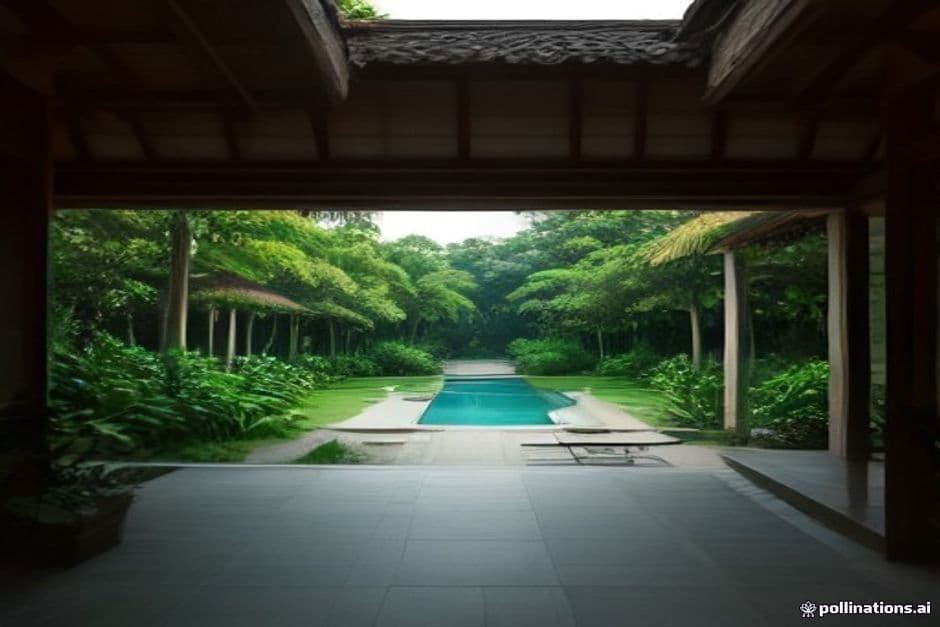
In 2026, Bali's luxury villa rental market has witnessed a staggering 35% increase, reflecting a significant shift in tourism dynamics on the island. This trend is not just about numbers; it encapsulates a deeper change in visitor preferences, as more affluent travelers are drawn to exclusive, private accommodations that offer personalized experiences over traditional hotel stays.
The rise in luxury villa rentals coincides with a broader trend in the global tourism industry, where travelers are increasingly seeking unique and immersive experiences. According to the Bali Tourism Board, over 1.2 million visitors opted for luxury villas in the first half of 2026, compared to just under 900,000 during the same period in 2025. This growth is particularly pronounced in areas like Ubud, Seminyak, and Canggu, where luxury villas are not only abundant but also strategically located near cultural and natural attractions.
What’s driving this shift? A combination of factors, including the lingering effects of the COVID-19 pandemic, which has reshaped luxury travel preferences. Travelers are now prioritizing privacy and space, moving away from crowded hotels to secluded villas that provide a safe haven. This trend is especially appealing to families and groups of friends looking to enjoy Bali together without the constraints of traditional lodging.

Moreover, the luxury villa market is increasingly catering to the demands of eco-conscious travelers. Many villas are incorporating sustainable practices, such as solar energy, organic amenities, and waste reduction systems. This alignment with global sustainability trends has made these properties more attractive to a demographic that values environmental responsibility alongside luxury.
As a result of this growth, local economies in popular tourist destinations are feeling the impact. In Seminyak, for example, the influx of luxury villa rentals has spurred related businesses, from high-end restaurants to wellness spas, which cater to the needs of affluent visitors. Local employment opportunities have expanded, providing jobs in hospitality, maintenance, and property management.
However, this rapid growth is not without challenges. The surge in luxury villas has sparked concerns over gentrification, particularly in areas like Canggu, where local residents are feeling the pressure of rising property prices and changes in community dynamics. The Bali local government is now engaged in discussions about regulations to balance tourism growth with community well-being. Plans are underway to implement stricter zoning laws to protect residential areas from becoming overly commercialized.
Additionally, the rise of luxury villas presents a competitive challenge for traditional hotels. Many hotel operators are now adapting by enhancing their service offerings, introducing wellness programs, and creating unique guest experiences that mirror the privacy and exclusivity of villa stays. A well-known hotel chain in Bali reported a 20% increase in bookings for their luxury suites, indicating that while villas are rising in popularity, the hotel sector is not sitting idly by.
In conclusion, the 35% increase in luxury villa rentals in Bali is reshaping the tourism landscape significantly. It highlights the evolving preferences of travelers and the necessity for local stakeholders to adapt to these changes. While the economic benefits are evident, the challenges of maintaining Bali's cultural integrity and community welfare amidst this boom remain critical. As Bali continues to evolve as a luxury destination, finding the right balance will be essential for sustaining its appeal and ensuring the well-being of its residents.

Read Also from Other Categories

Jakarta's New Policies Spark Controversy Over Bali's Agricultural Future
Recent agricultural policies from Jakarta are causing a stir in Bali, raising concerns among local farmers about their livelihoods. The provincial government is pushing back against regulations perceived as detrimental to traditional practices and food security.
Investors Eye Bali's Eco-Tourism Ventures Amid Rising Global Consciousness
As eco-tourism gains traction worldwide, Bali emerges as a hotspot for investments in sustainable travel ventures. Local entrepreneurs and international investors alike are capitalizing on the island's natural beauty and cultural richness to promote environmental responsibility.

Emergency Preparedness in Bali: A Community Focus Amid Natural Threats
As climate change intensifies weather patterns, Bali's communities are stepping up emergency preparedness measures. Local authorities emphasize the importance of readiness as the island faces increased risks from natural disasters.

Innovative Water Management Strategies Address Bali's Scarcity Crisis
Bali's growing water scarcity has prompted local governments and communities to implement innovative water management strategies. These initiatives aim to balance the needs of agriculture, tourism, and the local population while preserving the island's natural resources.

Uncovering Bali's Hidden Job Market: Opportunities in Eco-Tourism and Beyond
Bali's job landscape is evolving, with eco-tourism and sustainability initiatives creating new employment opportunities. As local businesses adapt to environmental challenges, training programs are emerging to equip workers with the necessary skills.
In Ubud, the Intersection of Art and Technology Sparks New Culture
As artists in Ubud embrace digital platforms, a cultural renaissance unfolds that blends traditional Balinese artistry with modern technology. This shift is redefining not only art consumption but also local community dynamics.
Comments (0)
No comments yet. Be the first!