Emergency Response Tested as Bali Faces Spiking Earthquake Frequency
Bali's residents are on high alert as a series of earthquakes rattles the island, raising concerns over safety and preparedness. Experts urge residents to stay informed and ready as seismic activity increases in the region.

In recent weeks, the tranquility of Bali's idyllic landscapes has been disrupted by a series of earthquakes, prompting local authorities and residents to reassess their emergency preparedness. On the morning of September 15, a 5.3 magnitude quake struck just off the coast of Nusa Dua, sending tremors felt across the island. The sudden jolt left many locals and tourists alike anxious, with reports of cracked walls and fallen items in several hotels.
‘It was quite frightening,’ said Ketut Wayan, a local shop owner in Seminyak, as he described the moment the ground shook beneath him. ‘I thought it was just a strong wind at first, but then things started falling off the shelves. We quickly evacuated the store.’ This sentiment echoed across Bali as residents shared their worries about the island's vulnerability to seismic activity.
Bali sits on the Pacific Ring of Fire, an area known for its high volcanic and seismic activity. The recent increase in earthquake frequency has been alarming to many, with four significant quakes recorded in just a week. The tremors have not only rattled windows but also raised questions regarding the structural integrity of older buildings, especially in tourist-heavy areas like Kuta and Ubud.
‘We are monitoring the situation closely,’ stated Dr. Agung Rahardjo, a geophysicist at Udayana University. ‘While these quakes have been moderate, it’s essential for residents and tourists to be aware of safety protocols.’ Dr. Rahardjo emphasized the importance of preparedness, urging locals to have emergency kits ready and to know evacuation routes, particularly for those living near the coast.

In the wake of the earthquakes, emergency services have ramped up their readiness. The Bali Disaster Mitigation Agency (BPBD) has been conducting drills and distributing information on how to respond during seismic events. They have also initiated a campaign to educate the public about earthquake safety, particularly in high-traffic tourist areas.
‘We want to ensure that both residents and visitors know what to do if the ground starts shaking,’ said Nyoman Suardika, head of BPBD Bali. ‘Our goal is to minimize panic and ensure everyone can respond effectively.’ The agency has set up information booths in popular tourist spots, where locals and visitors can learn about earthquake safety protocols.
The recent tremors have also sparked discussions about building codes and safety regulations. Many older establishments, including some hotels in the Kuta area, have come under scrutiny for their ability to withstand seismic shocks. The government is considering stricter regulations to ensure that all buildings adhere to modern safety standards.
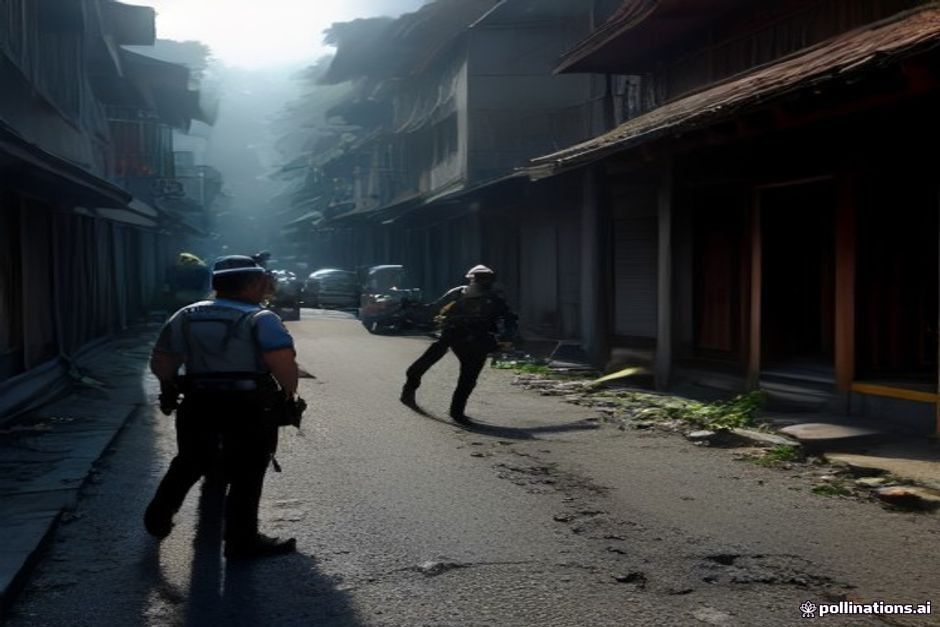
As Bali braces for potential aftershocks, the community's resilience is being tested. Locals have come together, sharing resources and information while supporting one another in these unnerving times. ‘We are all in this together,’ said Wayan. ‘We might be frightened, but we will take care of each other.’
Tourists are advised to stay updated on local news and follow safety guidelines provided by their accommodations. Many hotels have begun conducting their own safety drills, reassuring guests of their commitment to safety. Meanwhile, the Bali Tourism Board has issued statements encouraging visitors to remain calm and informed.
Experts warn that while the recent earthquakes are a reminder of Bali's geological realities, preparedness can make a difference in minimizing impact. As the island continues to experience seismic activity, the call for heightened awareness and readiness echoes through its vibrant streets.



Read Also from Other Categories

Shifting Sands: How Bali's Beachfront Hotels Are Adapting to Climate Change
Bali's beachfront hotels face increasing threats from climate change, prompting a significant shift in operational strategies. As rising sea levels and extreme weather become more prevalent, the hospitality sector is innovating to ensure sustainability and guest satisfaction.

Jakarta's New Policies Spark Controversy Over Bali's Agricultural Future
Recent agricultural policies from Jakarta are causing a stir in Bali, raising concerns among local farmers about their livelihoods. The provincial government is pushing back against regulations perceived as detrimental to traditional practices and food security.

Investors Eye Bali's Eco-Tourism Ventures Amid Rising Global Consciousness
As eco-tourism gains traction worldwide, Bali emerges as a hotspot for investments in sustainable travel ventures. Local entrepreneurs and international investors alike are capitalizing on the island's natural beauty and cultural richness to promote environmental responsibility.

Innovative Water Management Strategies Address Bali's Scarcity Crisis
Bali's growing water scarcity has prompted local governments and communities to implement innovative water management strategies. These initiatives aim to balance the needs of agriculture, tourism, and the local population while preserving the island's natural resources.

Uncovering Bali's Hidden Job Market: Opportunities in Eco-Tourism and Beyond
Bali's job landscape is evolving, with eco-tourism and sustainability initiatives creating new employment opportunities. As local businesses adapt to environmental challenges, training programs are emerging to equip workers with the necessary skills.

In Ubud, the Intersection of Art and Technology Sparks New Culture
As artists in Ubud embrace digital platforms, a cultural renaissance unfolds that blends traditional Balinese artistry with modern technology. This shift is redefining not only art consumption but also local community dynamics.
Comments (0)
No comments yet. Be the first!