Canggu Faces New Challenges Amid Rapid Urban Development
As Canggu's transformation accelerates, local residents voice concerns over urban planning and infrastructure. The Bali provincial government is urged to address these challenges to maintain community integrity.
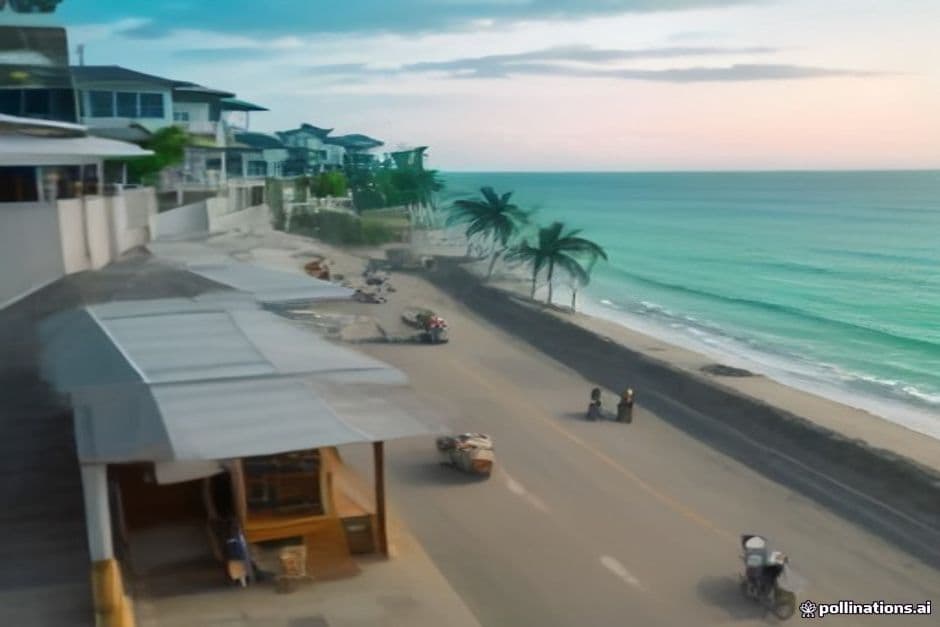
On the bustling streets of Canggu, the sound of construction reverberates through the air, blending with the distant waves crashing on the shore. This trendy area, once a serene fishing village, is rapidly transforming into a hub of commercial and residential development. As new cafes, villas, and shops emerge almost overnight, many residents find themselves caught in a whirlwind of change, raising questions about the sustainability of such rapid urbanization.
Local business owner, Made Surya, who runs a small warung on Jl. Batu Bolong, shares his concerns. “The charm of Canggu is fading. We need more green spaces and less concrete,” he says, gesturing towards a new high-rise building that looms over his modest eatery. Surya's sentiments resonate with many who fear that the essence of Canggu as a community is being overshadowed by commercial interests.
Bali’s provincial government, led by Governor Wayan Koster, has recognized the pressing need for a comprehensive urban plan to accommodate the influx of residents and tourists. During a recent meeting in Denpasar, Koster emphasized the importance of balancing development with environmental preservation. “We must ensure that growth does not come at the expense of our cultural heritage and natural beauty,” he stated, pledging to involve local communities in the planning process.
The government’s push towards creating a sustainable urban environment comes in response to escalating traffic congestion, inadequate public services, and infrastructure strain. Jl. Pantai Berawa, once a tranquil road, now resembles a parking lot during peak hours, frustrating both locals and visitors. The Bali Transportation Agency has reported a 30% increase in traffic volume over the past year, prompting calls for better public transport solutions.

In light of these challenges, the Bali provincial government is exploring innovative solutions. Plans for a new public transportation system are underway, aiming to connect Canggu more effectively with neighboring areas like Seminyak and Kerobokan. The proposal includes electric buses that would run frequently, reducing the reliance on private vehicles and easing congestion.
However, not everyone is convinced that government initiatives will suffice. Nyoman, a long-time resident of Canggu, fears that the rapid pace of development will lead to a loss of traditional Balinese culture. “Our temples, our ceremonies, are what make Bali special. We cannot let money dictate our way of life,” he asserts, echoing a sentiment that is prevalent among many long-term residents.
The impact of these developments extends beyond just the local populace. Tourists, who flock to Canggu for its laid-back atmosphere and surf culture, are beginning to notice the changes. Some, like visiting Australian tourist Sarah Thompson, express mixed feelings. “I love Canggu, but it feels different this year. I hope they can keep some of its original charm,” she shares as she walks past construction sites.

As the government prepares to introduce new regulations aimed at controlling urban expansion, residents are hopeful for a more inclusive approach to planning. Community meetings are being scheduled to gather feedback from locals about the future of Canggu. “We want our voices to be heard,” emphasizes Surya, who is keen on participating in the discussions. “It’s our home, after all.”
Looking ahead, the Bali provincial government is tasked with finding a balance between growth and preservation. With Canggu at the forefront of Bali’s transformation, the decisions made today will shape the future of this vibrant community. The challenge remains: how to develop responsibly while honoring the rich cultural tapestry that defines Bali.

Read Also from Other Categories

Shifting Sands: How Bali's Beachfront Hotels Are Adapting to Climate Change
Bali's beachfront hotels face increasing threats from climate change, prompting a significant shift in operational strategies. As rising sea levels and extreme weather become more prevalent, the hospitality sector is innovating to ensure sustainability and guest satisfaction.
Investors Eye Bali's Eco-Tourism Ventures Amid Rising Global Consciousness
As eco-tourism gains traction worldwide, Bali emerges as a hotspot for investments in sustainable travel ventures. Local entrepreneurs and international investors alike are capitalizing on the island's natural beauty and cultural richness to promote environmental responsibility.

Emergency Preparedness in Bali: A Community Focus Amid Natural Threats
As climate change intensifies weather patterns, Bali's communities are stepping up emergency preparedness measures. Local authorities emphasize the importance of readiness as the island faces increased risks from natural disasters.

Innovative Water Management Strategies Address Bali's Scarcity Crisis
Bali's growing water scarcity has prompted local governments and communities to implement innovative water management strategies. These initiatives aim to balance the needs of agriculture, tourism, and the local population while preserving the island's natural resources.
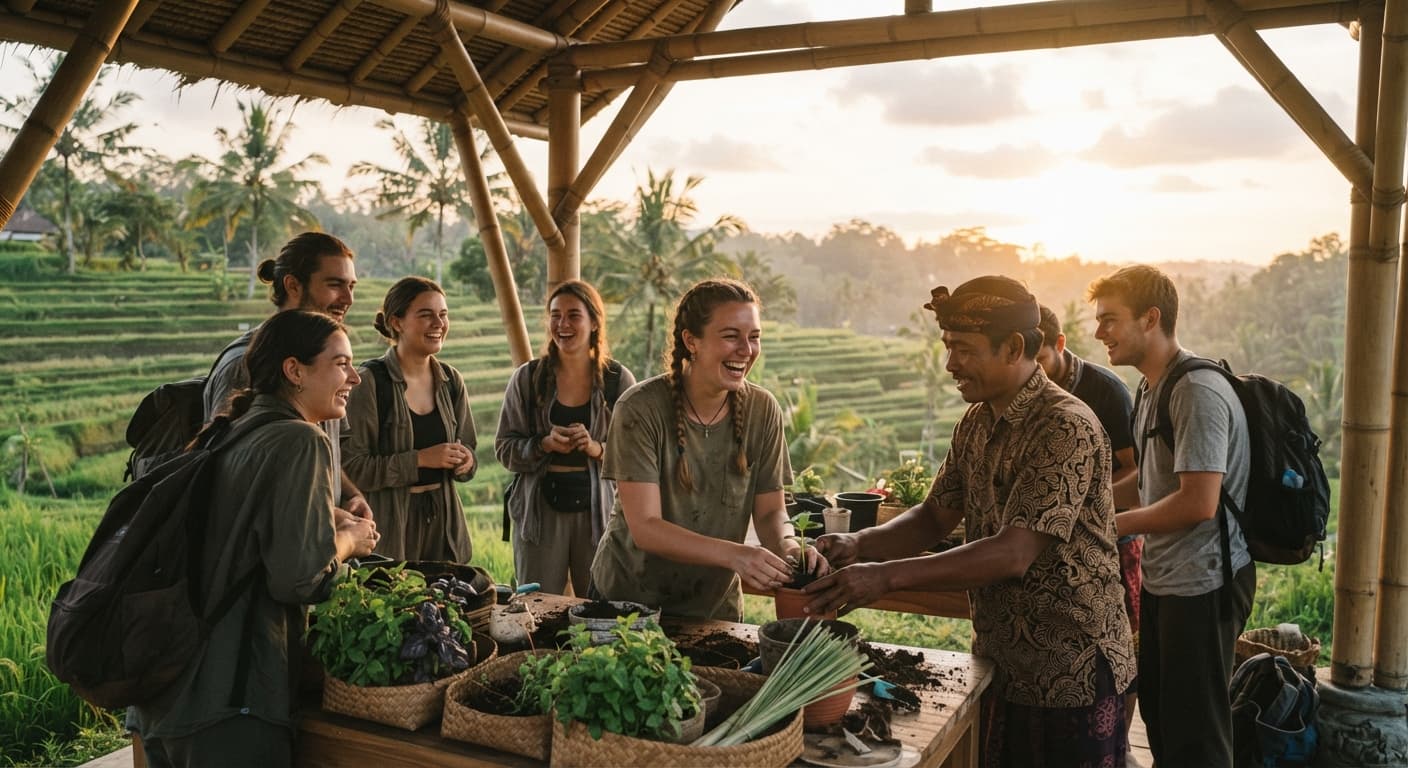
Uncovering Bali's Hidden Job Market: Opportunities in Eco-Tourism and Beyond
Bali's job landscape is evolving, with eco-tourism and sustainability initiatives creating new employment opportunities. As local businesses adapt to environmental challenges, training programs are emerging to equip workers with the necessary skills.
In Ubud, the Intersection of Art and Technology Sparks New Culture
As artists in Ubud embrace digital platforms, a cultural renaissance unfolds that blends traditional Balinese artistry with modern technology. This shift is redefining not only art consumption but also local community dynamics.
Comments (0)
No comments yet. Be the first!