Bali's Hospitality Sector Sees Surge in Boutique Hotel Investments
The boutique hotel scene in Bali is experiencing a remarkable investment boom, attracting both local and international investors. This shift reflects a growing demand for unique and personalized travel experiences in the island's tourism market.
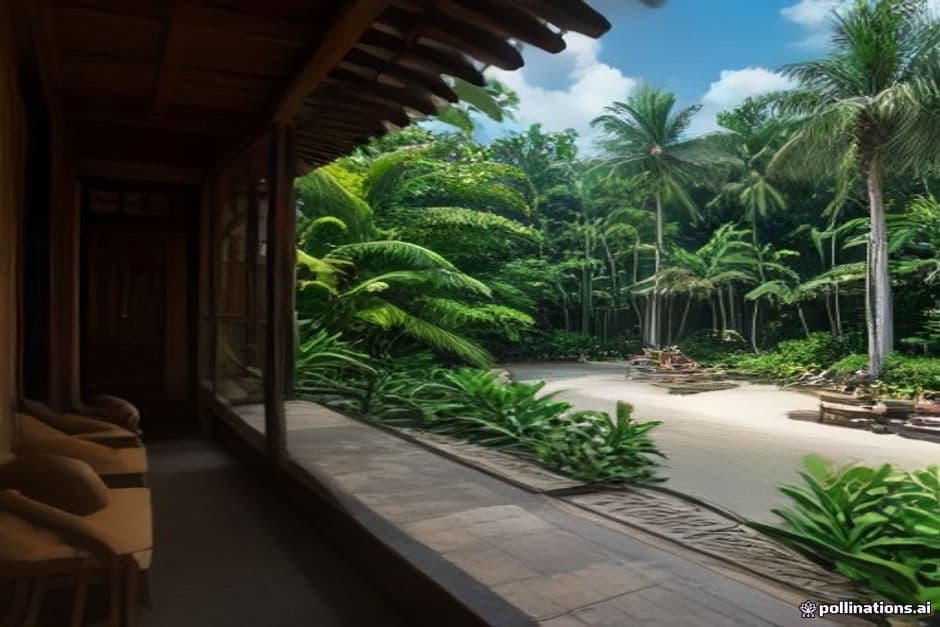
On the vibrant streets of Seminyak, the sound of construction fills the air, blending with the rhythmic waves crashing against the shore. New boutique hotels are emerging, each promising a unique twist on Balinese hospitality. As investors flock to this tropical paradise, the landscape of Bali's accommodation options is rapidly evolving, signaling a shift in the tourism sector.
Just last month, a groundbreaking ceremony was held for the Ubud Escape, an eco-friendly boutique hotel nestled in the lush hills of Ubud. This project, spearheaded by a collaboration of local artisans and international investors, aims to integrate sustainable practices with traditional Balinese architecture. "We want to create a space that reflects the essence of Bali while offering guests a unique experience," said project manager Agung Santosa, as he stood amidst the construction site.
The surge in boutique hotel investments can be largely attributed to the changing preferences of travelers seeking more personalized experiences. According to data from the Bali Tourism Board, the number of tourists opting for boutique accommodations has increased by 35% over the past year. This trend is particularly popular among millennials and Gen Z travelers who value authenticity and local culture.
In Canggu, another hotspot for investment, the Canggu Collective recently opened its doors, showcasing a blend of modern design and traditional Balinese elements. The hotel features locally sourced materials and decor crafted by Balinese artisans, appealing to eco-conscious travelers. "We believe in supporting the local community while providing our guests with an unforgettable experience," said Maria Kurniawan, the hotel's marketing director.

The influx of investment is not just limited to luxury hotels. Mid-range boutique accommodations are also seeing significant funding. The Hipster Inn, located on the bustling Batu Bolong street, has secured $5 million in funding to expand its offerings, including wellness programs and local culinary experiences. "We aim to cater to both budget-conscious travelers and those looking for a touch of luxury," said owner Benji Hartono.
Despite the challenges posed by the COVID-19 pandemic, the spirit of investment in Bali remains strong. Investors are recognizing the resilience of the island’s tourism sector and its potential for recovery. The Bali Investment Agency reported that over $300 million has been invested in the hospitality sector in the past year, with boutique hotels accounting for a significant portion of this figure.
Local governments are also playing a crucial role in facilitating these investments. The Regency of Badung has streamlined the permitting process for hotel developments, aiming to attract more investors and create jobs. "Our goal is to enhance Bali's reputation as a top-tier tourist destination while ensuring sustainable growth," stated Wayan Suyasa, the head of the Badung Tourism Office.

As the sun sets over the horizon, casting a golden glow over the island, Bali's future as a hub for boutique hotels looks promising. The blend of local culture, sustainable practices, and innovative designs is reshaping the hospitality landscape. Investors are not just building hotels; they are crafting experiences that resonate with the spirit of Bali.
Looking ahead, analysts predict that the trend will continue, with more boutique hotels under development in emerging areas like Nusa Dua and Jimbaran. As Bali positions itself to welcome a new wave of tourists, the emphasis on personalized and unique accommodations will remain a focal point of the island's hospitality strategy.


Read Also from Other Categories

Shifting Sands: How Bali's Beachfront Hotels Are Adapting to Climate Change
Bali's beachfront hotels face increasing threats from climate change, prompting a significant shift in operational strategies. As rising sea levels and extreme weather become more prevalent, the hospitality sector is innovating to ensure sustainability and guest satisfaction.

Jakarta's New Policies Spark Controversy Over Bali's Agricultural Future
Recent agricultural policies from Jakarta are causing a stir in Bali, raising concerns among local farmers about their livelihoods. The provincial government is pushing back against regulations perceived as detrimental to traditional practices and food security.

Emergency Preparedness in Bali: A Community Focus Amid Natural Threats
As climate change intensifies weather patterns, Bali's communities are stepping up emergency preparedness measures. Local authorities emphasize the importance of readiness as the island faces increased risks from natural disasters.

Innovative Water Management Strategies Address Bali's Scarcity Crisis
Bali's growing water scarcity has prompted local governments and communities to implement innovative water management strategies. These initiatives aim to balance the needs of agriculture, tourism, and the local population while preserving the island's natural resources.

Uncovering Bali's Hidden Job Market: Opportunities in Eco-Tourism and Beyond
Bali's job landscape is evolving, with eco-tourism and sustainability initiatives creating new employment opportunities. As local businesses adapt to environmental challenges, training programs are emerging to equip workers with the necessary skills.

In Ubud, the Intersection of Art and Technology Sparks New Culture
As artists in Ubud embrace digital platforms, a cultural renaissance unfolds that blends traditional Balinese artistry with modern technology. This shift is redefining not only art consumption but also local community dynamics.
Comments (0)
No comments yet. Be the first!