Tourism Growth in Bali Driven by Cultural Festivals and Authentic Experiences
Bali's tourism sector is witnessing a remarkable resurgence, with visitor numbers projected to reach 6.63 million by 2026. Cultural festivals play a pivotal role in this revival, enhancing the island's appeal and providing unique experiences for tourists.

In a significant development for Bali's tourism industry, the island is projected to attract 6.63 million international tourists by 2026, marking a promising recovery from the pandemic's impact. This growth is largely driven by the increasing popularity of cultural festivals, which have become essential to enhancing the visitor experience and supporting local economies.
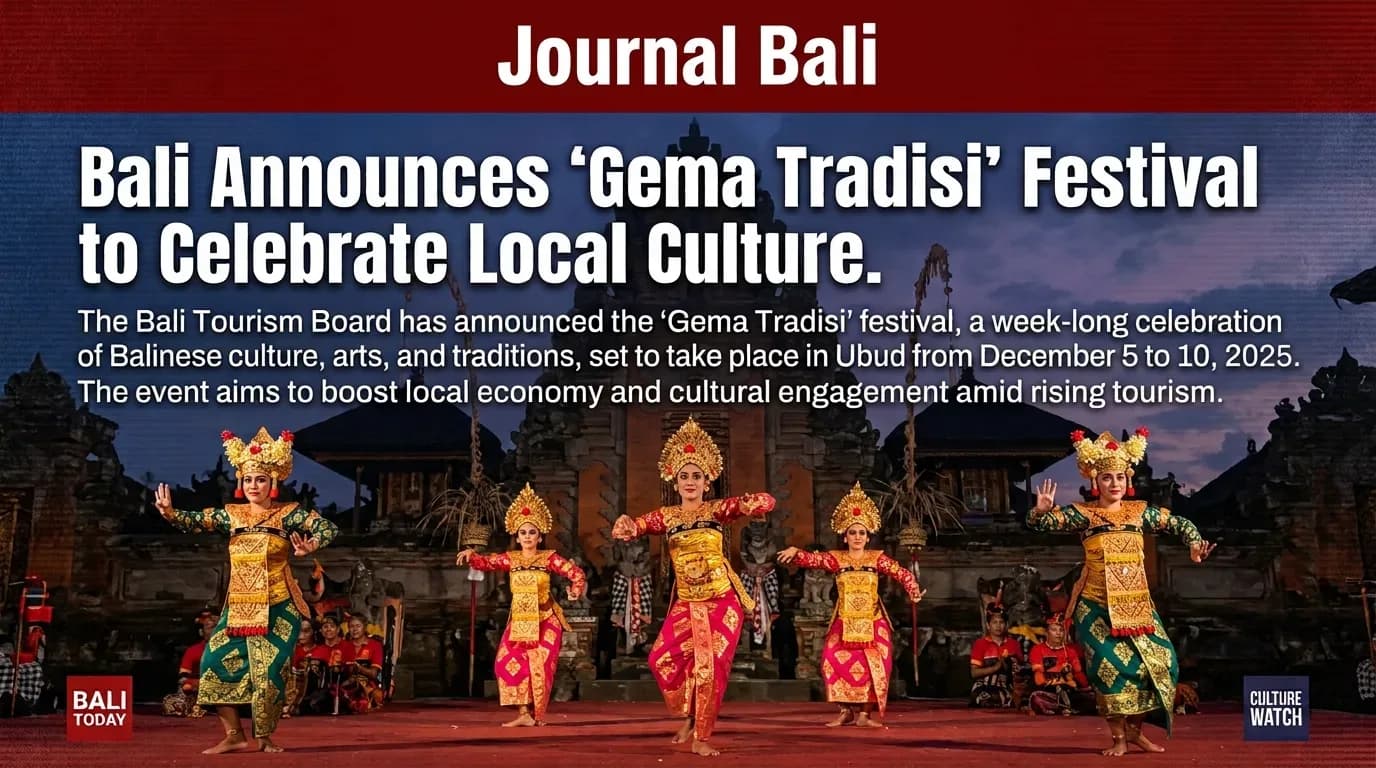
Data from the Bali Tourism Board indicates that cultural festivals have seen a resurgence, with attendance at events like the Bali Arts Festival and the Ubud Writers and Readers Festival rising by 30% year-on-year. These festivals not only attract local and international tourists but also foster a sense of community among residents and artisans. The Bali Arts Festival, for example, showcases traditional dances, music, and crafts, providing visitors with an immersive experience of Balinese culture.
Moreover, the economic impact of these festivals cannot be overstated. In 2025 alone, the Bali Arts Festival generated approximately IDR 500 billion (around USD 35 million) in revenue, benefiting local vendors, hotels, and restaurants. The Ubud Writers and Readers Festival also contributed significantly, with attendees spending an average of IDR 1.5 million (about USD 100) per day on accommodations, food, and activities, reflecting a broader trend of cultural tourism where visitors seek authentic experiences.
As Bali's tourism landscape evolves, the focus is shifting towards sustainability and community engagement. Local authorities, including the Bali Governor's Office, are actively promoting eco-friendly initiatives during festivals, encouraging waste reduction and the use of local materials. This approach not only conserves the environment but also enhances the cultural significance of events, aligning with the growing global trend towards sustainable tourism.
Additionally, the rise of digital platforms has transformed how these festivals are marketed and experienced. With social media channels showcasing live performances and behind-the-scenes content, the reach of these events has expanded beyond traditional tourism channels. This digital engagement has attracted a younger demographic, with millennial and Gen Z travelers showing a keen interest in culturally rich experiences.
In comparison to neighboring regions, Bali's cultural festivals have positioned the island as a leading destination for cultural tourism in Southeast Asia. While Thailand and Malaysia also host significant cultural events, Bali's unique blend of spirituality, art, and community involvement sets it apart. For instance, the annual Nyepi Day, a day of silence and reflection, garners international attention, drawing visitors who wish to witness and participate in this unique cultural observance.
Despite the positive growth trajectory, challenges remain. The Bali Tourism Board emphasizes the importance of balancing tourism growth with the preservation of cultural heritage. Ongoing discussions about managing visitor numbers during peak festival seasons aim to prevent overcrowding and ensure that both tourists and locals can enjoy the events without compromising the authenticity of the experiences.

Looking ahead, the integration of technology in festival planning and execution is expected to further enhance the visitor experience. Virtual reality and augmented reality experiences are being explored to provide tourists with deeper insights into Balinese culture, allowing them to engage with the traditions in innovative ways. This technological shift is anticipated to attract more tech-savvy tourists who value unique and interactive experiences.
In summary, Bali's tourism sector is on an upward trajectory, with cultural festivals playing a crucial role in attracting visitors and stimulating the local economy. As the island continues to embrace sustainable practices and technological innovations, it is well-poised to remain a leading destination for cultural tourism in the years to come.

Read Also from Other Categories

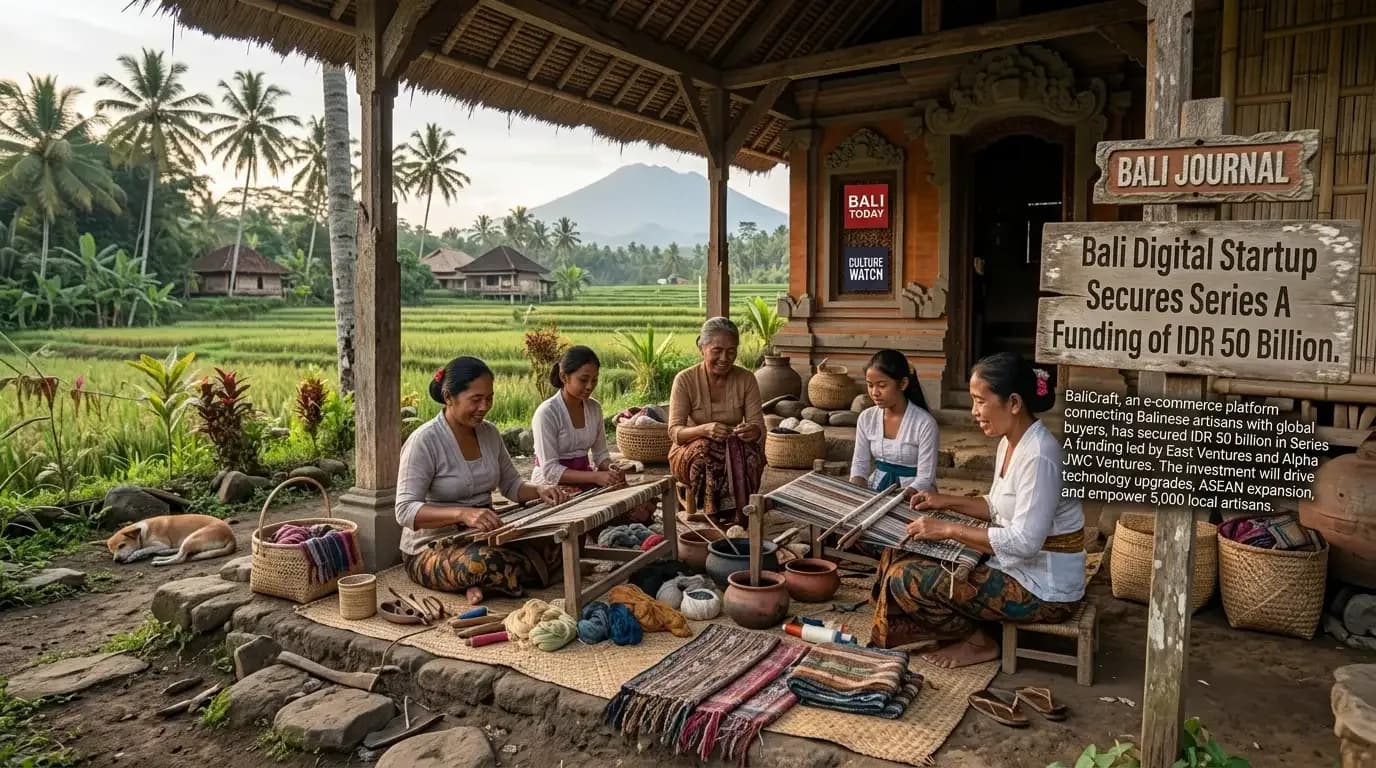
Impact of New Civil Service Regulations on Bali's Public Sector Efficiency
Bali's provincial government is implementing new civil service regulations aimed at enhancing public sector efficiency. These changes come amid ongoing efforts to modernize the province's administrative processes and improve service delivery to residents and tourists alike.

Bali's Thriving Fintech Startups Attract Global Investment Interest
The fintech landscape in Bali is experiencing a surge in investment, drawing attention from international venture capitalists. As local startups innovate, they are shaping a new economic frontier on the island.

Canggu Residents Brace for Increased Tidal Flooding as Climate Risks Rise
Canggu faces growing concerns of tidal flooding due to climate change, impacting local communities. Residents and businesses prepare for potential emergencies as sea levels continue to rise.

Empowering Bali's Future: Local Communities Unite for Green Energy Initiatives
In a groundbreaking effort, local communities in Bali are embracing renewable energy solutions to combat climate change. Through grassroots initiatives, residents are transforming their neighborhoods into eco-friendly hubs, signaling a shift towards sustainability.

Job Opportunities Emerge as Bali Expands Vocational Training Programs
Bali's vocational training sector is seeing significant growth as new programs are launched to equip locals with essential skills. These initiatives aim to bridge the gap between education and employment, addressing the island's evolving job market demands.
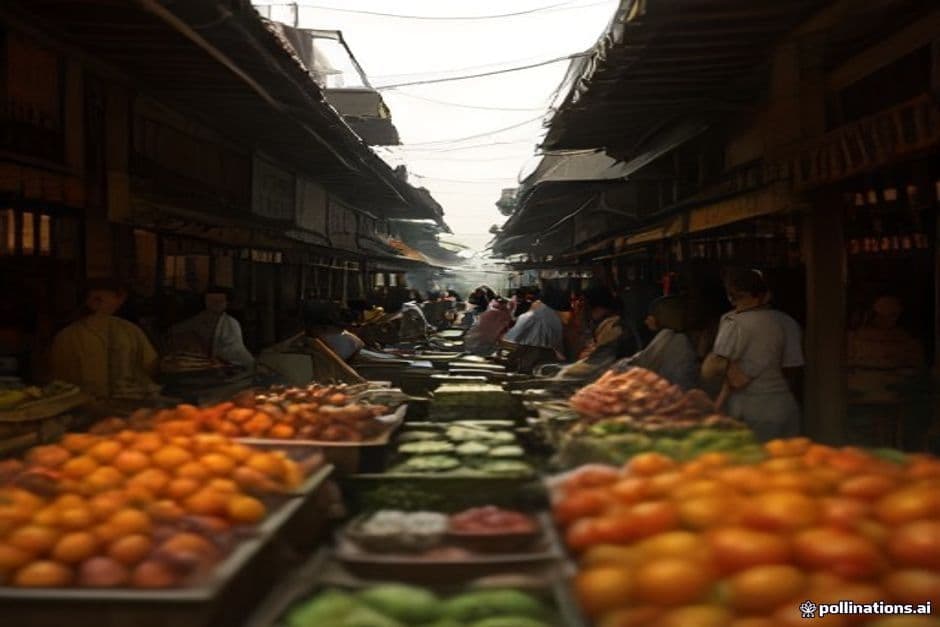
Rethinking Traditional Markets: Bali's Economic Heartbeat Faces Modern Challenges
Bali's traditional markets are at a crossroads as modern retail trends threaten their existence. This article explores the cultural significance of these markets and the struggle to adapt to changing consumer habits while preserving their unique charm.
Comments (0)
No comments yet. Be the first!