Culinary Tourism Gains Momentum as Bali Showcases Local Flavors
Bali's culinary tourism is experiencing a significant boost, with a 25% increase in food experience bookings over the past year. This trend highlights a growing interest in local flavors and sustainable practices among visitors.

In 2026, Bali has observed a remarkable 25% surge in bookings for culinary experiences, underscoring a shift in tourist preferences towards local flavors and authentic food encounters. This trend is particularly evident in areas like Ubud and Seminyak, where food tours and cooking classes are becoming essential components of the visitor experience. The rising interest in culinary tourism is reshaping the island's tourism landscape, moving beyond traditional beach attractions to embrace a more holistic and immersive cultural experience.
The Bali Culinary Tourism Association (BCTA) reported that food tours and cooking classes have become increasingly popular, especially among international visitors. The association noted that in 2025, culinary experiences accounted for 15% of all tourism activities, a figure that has now risen to 20% in 2026. This growth can be attributed to travelers' desires for more than just sightseeing; they are now seeking to engage with local cultures through their taste buds.
Food experiences such as market tours, traditional cooking classes, and farm-to-table dining have gained traction. The popularity of these activities aligns with a larger global trend of travelers prioritizing sustainability and ethical consumption. In Bali, many culinary tours focus on using local, organic ingredients, which not only supports local farmers but also reduces the carbon footprint associated with food transport.
Visitors are increasingly drawn to the authentic culinary practices that Bali has to offer. For example, in Ubud, the renowned Sari Organic farm has seen a 30% increase in visitors participating in their cooking classes, which teach participants how to prepare traditional Balinese dishes using ingredients harvested from their organic farm. This hands-on approach not only educates tourists about Balinese cuisine but also fosters a deeper connection to the local community and culture.

Moreover, the rise of social media platforms has contributed to the growing popularity of culinary tourism. Influencers and food bloggers are actively promoting Bali's local food scene, showcasing unique dishes and dining experiences that attract a younger demographic of travelers. The hashtag #BaliEats has gained significant traction, with thousands of posts highlighting the island's diverse culinary offerings.
To capitalize on this trend, local businesses are joining forces to create culinary trails that guide tourists through the best dining spots in different regions. The BCTA has launched a new initiative called the "Bali Food Trail," which connects tourists with local restaurants, street food vendors, and markets to provide a comprehensive culinary journey across the island.
In response to this growing trend, hotels and resorts are also adapting their offerings. Many high-end hotels in Nusa Dua and Seminyak are now featuring gourmet dining options that highlight local ingredients and traditional cooking techniques. This shift not only enhances the guest experience but also aligns with the broader movement towards sustainable tourism practices.

While the culinary tourism sector is thriving, it is essential to consider its impact on local communities. The increase in food tourism can lead to challenges, such as the potential commercialization of traditional practices and the risk of cultural dilution. Stakeholders in the tourism industry are urged to maintain a balance between promoting culinary tourism and preserving the authenticity of Balinese culture.
Looking ahead, the future of culinary tourism in Bali appears promising. With the continued growth in food experiences, local businesses and tourism authorities are encouraged to invest in promoting the island's unique culinary heritage while fostering sustainable practices. As more travelers seek to connect with local cultures through food, Bali's culinary tourism sector is poised for further growth, making it an integral part of the island's tourism strategy.



Read Also from Other Categories

Impact of New Civil Service Regulations on Bali's Public Sector Efficiency
Bali's provincial government is implementing new civil service regulations aimed at enhancing public sector efficiency. These changes come amid ongoing efforts to modernize the province's administrative processes and improve service delivery to residents and tourists alike.

Bali's Thriving Fintech Startups Attract Global Investment Interest
The fintech landscape in Bali is experiencing a surge in investment, drawing attention from international venture capitalists. As local startups innovate, they are shaping a new economic frontier on the island.

Canggu Residents Brace for Increased Tidal Flooding as Climate Risks Rise
Canggu faces growing concerns of tidal flooding due to climate change, impacting local communities. Residents and businesses prepare for potential emergencies as sea levels continue to rise.

Empowering Bali's Future: Local Communities Unite for Green Energy Initiatives
In a groundbreaking effort, local communities in Bali are embracing renewable energy solutions to combat climate change. Through grassroots initiatives, residents are transforming their neighborhoods into eco-friendly hubs, signaling a shift towards sustainability.

Job Opportunities Emerge as Bali Expands Vocational Training Programs
Bali's vocational training sector is seeing significant growth as new programs are launched to equip locals with essential skills. These initiatives aim to bridge the gap between education and employment, addressing the island's evolving job market demands.
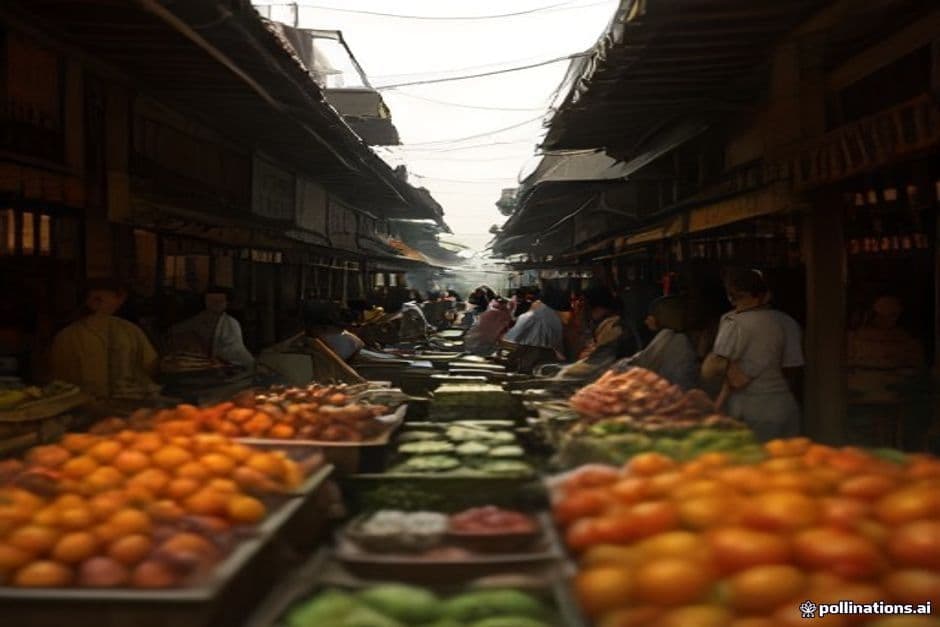
Rethinking Traditional Markets: Bali's Economic Heartbeat Faces Modern Challenges
Bali's traditional markets are at a crossroads as modern retail trends threaten their existence. This article explores the cultural significance of these markets and the struggle to adapt to changing consumer habits while preserving their unique charm.
Comments (0)
No comments yet. Be the first!