Exploring Bali's New Wave of Rural Tourism: Authentic Experiences Await
Bali's rural tourism sector is on the rise as travelers seek authentic experiences away from the crowded beaches. This trend is reshaping the local economy and encouraging sustainable practices among communities.

Bali's tourism landscape is evolving as travelers increasingly seek authentic experiences in rural areas, steering away from the traditional beach-centric vacations. This shift is not only diversifying Bali's offerings but also benefiting local communities economically and socially.
In recent months, villages such as Tegallalang and Sidemen have emerged as hotspots for travelers looking for immersive cultural experiences. From participating in traditional rice farming to exploring local craftsmanship, visitors are drawn to the opportunity to connect with Balinese culture in meaningful ways. The rise of platforms like Airbnb has also contributed to this trend, allowing travelers to book stays in rural homestays that offer a glimpse into everyday life.
The surge in interest for rural tourism is reflected in the numbers. A recent report from the Bali Tourism Agency indicated a 30% increase in rural tourism visits compared to the previous year. This growth is encouraging local governments to invest in infrastructure and promote lesser-known attractions. For instance, the Bali Tourism Board has initiated programs to train local guides in Sidemen, equipping them with skills to share their heritage with visitors.
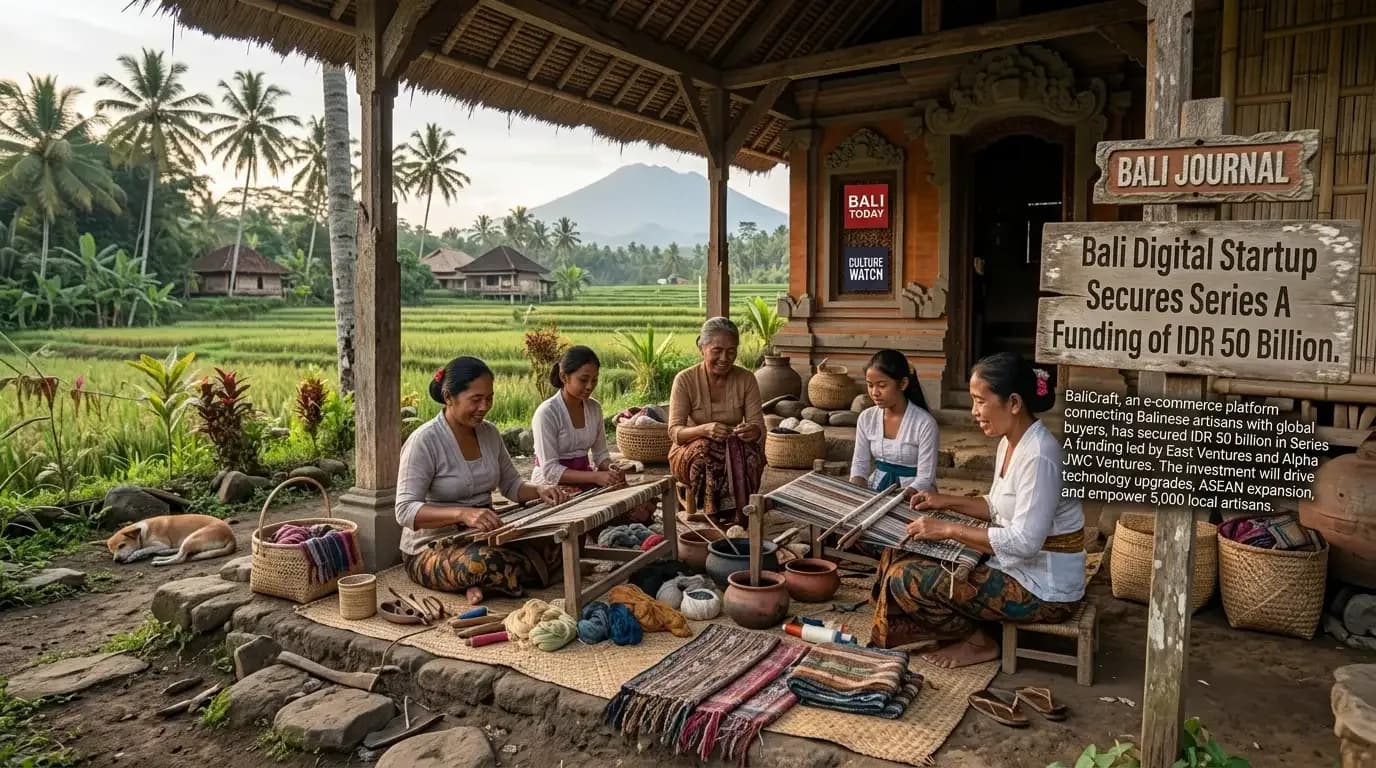
Local artisans are also benefiting from this trend. As tourists flock to rural areas, opportunities for traditional crafts—such as weaving, pottery, and painting—are gaining traction. Artisans in Tegallalang, famous for its rice terraces, are leveraging this influx by conducting workshops that teach visitors the intricacies of their crafts. This not only preserves traditional techniques but also provides a source of income for families.
However, the rise of rural tourism does come with challenges. As more visitors arrive, concerns about sustainability and cultural preservation are growing. Local leaders emphasize the importance of balancing tourism growth with environmental protection. For instance, the village of Munduk has started implementing a visitor cap to minimize the impact on natural resources and maintain the area's charm.
Furthermore, the Bali government is actively promoting eco-tourism initiatives to ensure that rural development aligns with conservation efforts. Programs aimed at educating tourists about local ecosystems and sustainable practices are being rolled out, particularly in areas like Ubud where environmental awareness is high. This not only fosters a responsible tourism culture but also enhances the visitor experience by connecting them to the natural beauty of Bali.

As rural tourism continues to grow, local authorities are recognizing its potential to alleviate the economic pressures faced by urban areas. By encouraging visitors to explore Bali's rural landscapes, there is a tangible effort to distribute the benefits of tourism more evenly across the island. This approach not only empowers local communities but also helps preserve Bali's rich cultural heritage.
Looking ahead, the future of rural tourism in Bali appears promising. With the ongoing commitment from local governments and communities, as well as the increasing interest from travelers, there is a real opportunity to create a sustainable tourism model that enriches both visitors and residents alike. The rise of rural tourism could well define the next chapter of Bali's tourism journey, ensuring that its beauty and traditions are celebrated for generations to come.


Read Also from Other Categories

Impact of New Civil Service Regulations on Bali's Public Sector Efficiency
Bali's provincial government is implementing new civil service regulations aimed at enhancing public sector efficiency. These changes come amid ongoing efforts to modernize the province's administrative processes and improve service delivery to residents and tourists alike.

Bali's Thriving Fintech Startups Attract Global Investment Interest
The fintech landscape in Bali is experiencing a surge in investment, drawing attention from international venture capitalists. As local startups innovate, they are shaping a new economic frontier on the island.

Canggu Residents Brace for Increased Tidal Flooding as Climate Risks Rise
Canggu faces growing concerns of tidal flooding due to climate change, impacting local communities. Residents and businesses prepare for potential emergencies as sea levels continue to rise.

Empowering Bali's Future: Local Communities Unite for Green Energy Initiatives
In a groundbreaking effort, local communities in Bali are embracing renewable energy solutions to combat climate change. Through grassroots initiatives, residents are transforming their neighborhoods into eco-friendly hubs, signaling a shift towards sustainability.

Job Opportunities Emerge as Bali Expands Vocational Training Programs
Bali's vocational training sector is seeing significant growth as new programs are launched to equip locals with essential skills. These initiatives aim to bridge the gap between education and employment, addressing the island's evolving job market demands.
Rethinking Traditional Markets: Bali's Economic Heartbeat Faces Modern Challenges
Bali's traditional markets are at a crossroads as modern retail trends threaten their existence. This article explores the cultural significance of these markets and the struggle to adapt to changing consumer habits while preserving their unique charm.
Comments (0)
No comments yet. Be the first!