Rethinking Traditional Markets: Bali's Economic Heartbeat Faces Modern Challenges
Bali's traditional markets are at a crossroads as modern retail trends threaten their existence. This article explores the cultural significance of these markets and the struggle to adapt to changing consumer habits while preserving their unique charm.
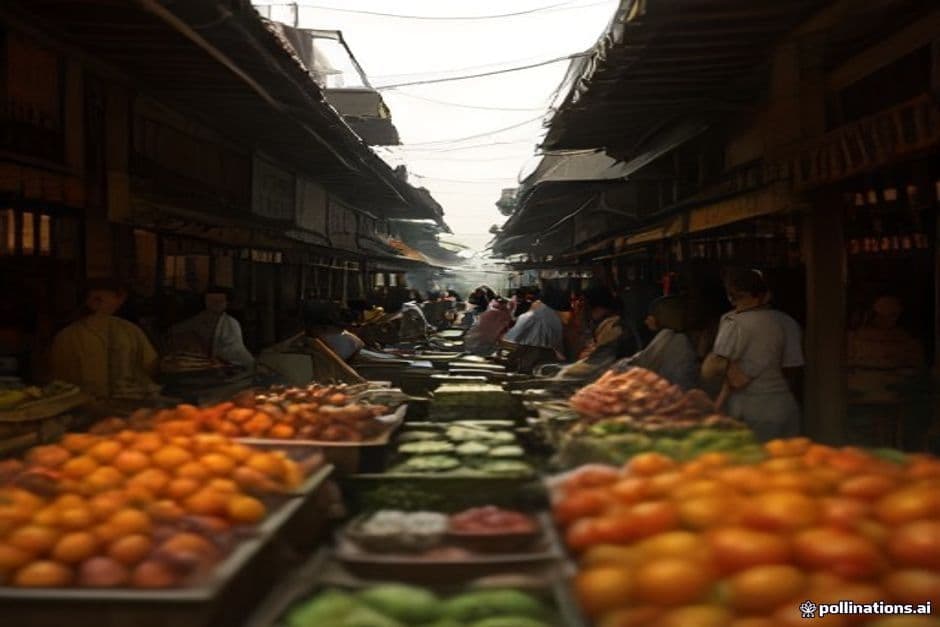
At dawn, the bustling Pasar Badung in Denpasar awakens, its narrow aisles lined with vibrant stalls overflowing with fresh produce, artisanal goods, and the aromatic scent of local spices. Vendors call out to early risers, their voices mingling with the clamor of bargaining customers. Yet, amidst this vibrant tableau, a wave of uncertainty looms over Bali’s traditional markets, places that have long served as economic and cultural lifelines for local communities.
As the sun rises higher, casting warm light through the market’s awning, it's hard not to notice the stark contrast between the lively chatter of locals and the encroaching silence of modern retail spaces. In recent years, shopping malls and online platforms have emerged as formidable competitors, attracting consumers with convenience and variety. For many, the allure of air-conditioned aisles and the ease of online shopping has reduced foot traffic in traditional markets, causing concern among long-time vendors.
“We’ve seen a significant drop in customers, especially during the weekdays,” says Made Sari, a vendor at Pasar Badung for over two decades. “People prefer to shop at supermarkets where everything is in one place. But they don’t realize that here, they’re not just buying goods; they’re part of a community.” Her words encapsulate the dilemma faced by traditional markets across Bali — a struggle to maintain relevance in an evolving economic landscape.
The cultural significance of these markets cannot be overstated. Traditional markets like Pasar Badung serve not only as a place for commerce but also as social hubs where the rich tapestry of Balinese life is woven together. Here, locals gather not just to shop but to connect, exchange stories, and uphold age-old customs. The market is a reflection of Bali’s identity, where generations of families have relied on these bustling centers for their livelihoods.

However, the rise of modern retail has forced many vendors to rethink their strategies. Some have started to embrace social media and online marketing to reach a broader audience. “We have to adapt,” says I Nyoman, who sells handcrafted textiles at a stall in Ubud’s market. “I’ve started an Instagram account to showcase my products. It’s challenging, but it’s essential for survival.” Such adaptations illustrate the resilience of these vendors, who refuse to let tradition fade in the face of modernization.
The government has also taken notice of the plight of traditional markets. In recent months, local authorities in Bali have initiated programs aimed at revitalizing these economic hubs. The Bali Provincial Government has begun offering workshops on digital marketing and customer service to help vendors enhance their business skills. “Our goal is to ensure that traditional markets remain vibrant and competitive,” explains Wayan Koster, the Governor of Bali. “They are an integral part of our culture and economy.”
Despite these efforts, challenges remain. The physical infrastructure of many markets is in dire need of improvement, with issues like sanitation and accessibility often cited as major concerns by consumers. Additionally, the ongoing threat of tourism fluctuations due to global events continues to impact vendor sales. “When tourists are here, we thrive. But when they leave, we struggle,” laments Nyoman.
As Bali navigates its complex relationship with tourism and traditional commerce, the future of its markets hangs in the balance. A delicate dance is underway where the past meets the present, and the stakes are high. The charm of traditional markets lies in their authenticity and community spirit — qualities that modern retail often lacks.

Balinese communities are beginning to recognize that preserving these markets is not just about economic survival; it’s about safeguarding a way of life. Initiatives to promote local products and tourism campaigns highlighting cultural experiences centered around these markets are gaining traction. Efforts like the Bali Artisan Market, which showcases local crafts and foods, aim to draw attention back to these essential hubs.
As the day comes to a close at Pasar Badung, the last vendors pack up their stalls, their faces a mix of exhaustion and hope. The resilience of these markets is a testament to Bali’s enduring spirit, but the need for adaptation remains. The path ahead will require a concerted effort from both vendors and authorities, and a collective acknowledgment that in this rapidly changing world, tradition must find a way to coexist with modernity.
In a society that often prioritizes speed and convenience, Bali’s traditional markets stand as a reminder of the value of community, culture, and connection. The future of these vibrant spaces depends not only on the willingness to adapt but also on the commitment to preserve the essence of what makes them unique.

Read Also from Other Categories

Tourism Growth in Bali Driven by Cultural Festivals and Authentic Experiences
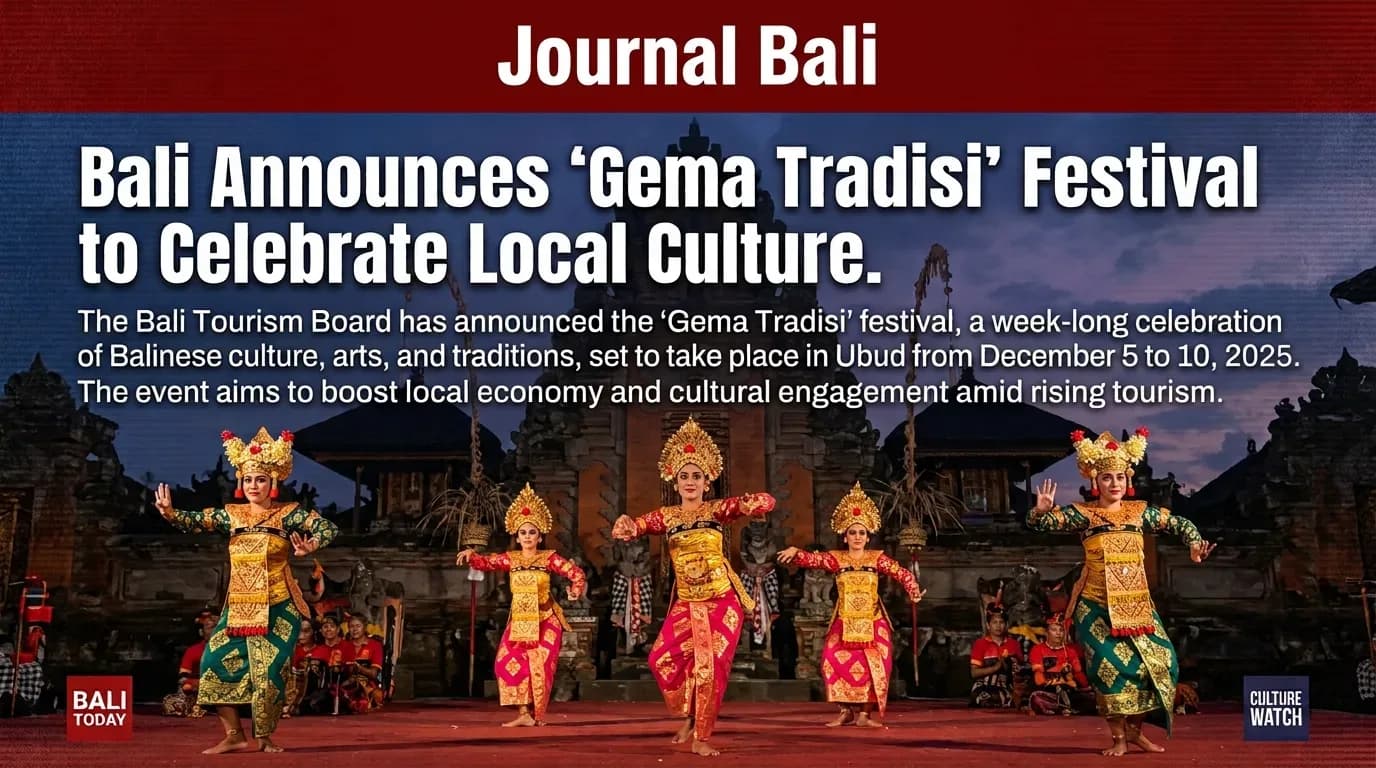
Bali's tourism sector is witnessing a remarkable resurgence, with visitor numbers projected to reach 6.63 million by 2026. Cultural festivals play a pivotal role in this revival, enhancing the island's appeal and providing unique experiences for tourists.

Impact of New Civil Service Regulations on Bali's Public Sector Efficiency
Bali's provincial government is implementing new civil service regulations aimed at enhancing public sector efficiency. These changes come amid ongoing efforts to modernize the province's administrative processes and improve service delivery to residents and tourists alike.

Bali's Thriving Fintech Startups Attract Global Investment Interest
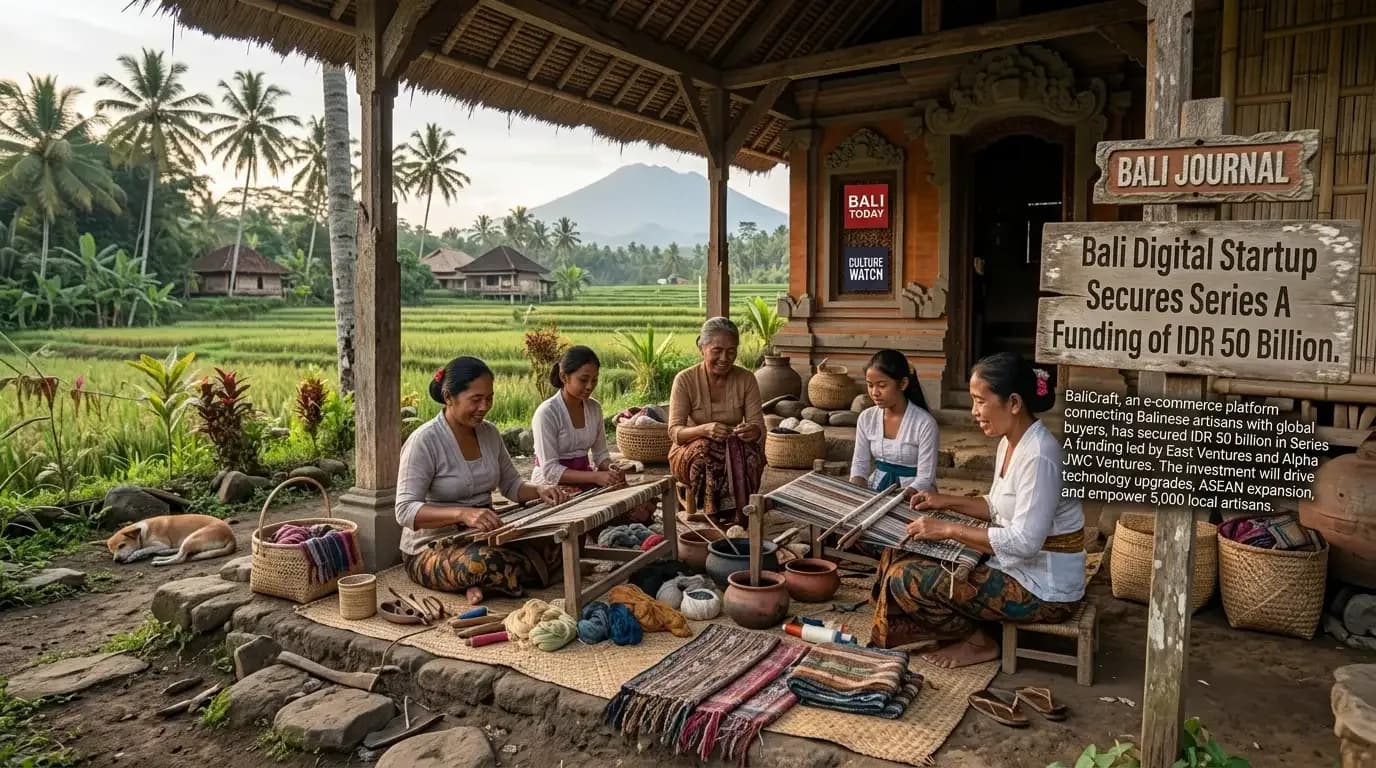
The fintech landscape in Bali is experiencing a surge in investment, drawing attention from international venture capitalists. As local startups innovate, they are shaping a new economic frontier on the island.

Canggu Residents Brace for Increased Tidal Flooding as Climate Risks Rise
Canggu faces growing concerns of tidal flooding due to climate change, impacting local communities. Residents and businesses prepare for potential emergencies as sea levels continue to rise.

Empowering Bali's Future: Local Communities Unite for Green Energy Initiatives
In a groundbreaking effort, local communities in Bali are embracing renewable energy solutions to combat climate change. Through grassroots initiatives, residents are transforming their neighborhoods into eco-friendly hubs, signaling a shift towards sustainability.

Job Opportunities Emerge as Bali Expands Vocational Training Programs
Bali's vocational training sector is seeing significant growth as new programs are launched to equip locals with essential skills. These initiatives aim to bridge the gap between education and employment, addressing the island's evolving job market demands.
Comments (0)
No comments yet. Be the first!