Bali's Nightlife Scene Evolves with Diverse Entertainment Offerings
As Bali's tourism rebounds, the island’s nightlife is diversifying with a blend of traditional performances and modern entertainment. From beach clubs to cultural shows, visitors are embracing a vibrant nightlife that reflects local culture and global trends.

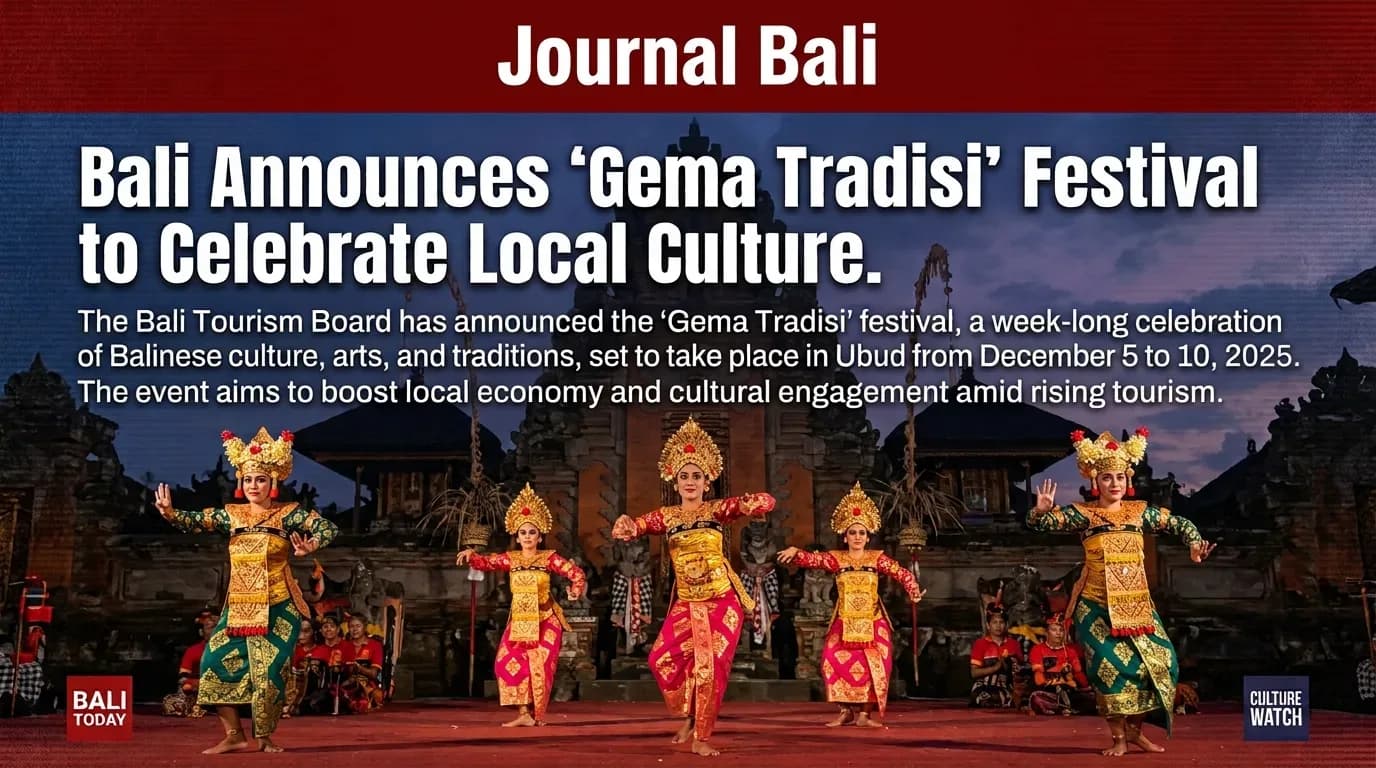
The sun sets over the shimmering waters of Seminyak Beach, casting a golden hue across the bustling beach clubs. Here, tourists sip cocktails while the rhythmic beats of DJs fill the air, but just a few blocks away, a different scene unfolds. At the Bali Nusa Dua Convention Center, locals and visitors alike are captivated by a traditional Balinese dance performance, showcasing the island's rich cultural heritage.
This juxtaposition of modern nightlife and traditional performances illustrates a significant shift in Bali's tourism landscape. In recent years, as the island has recovered from the pandemic, there’s been a remarkable evolution in how visitors experience nightlife. No longer confined to just bars and clubs, Bali's nightlife now encompasses a broader spectrum that includes cultural events, art exhibitions, and live performances that celebrate the island's traditions.
According to the Bali Tourism Board, the revitalization of the nightlife sector is part of a larger strategy to attract a diverse range of tourists. “We aim to provide experiences that resonate with both local culture and international trends,” says I Gusti Ngurah Rai Suryawijaya, the Head of the Bali Tourism Board. “This way, we can cater to families, solo travelers, and those looking for a vibrant nightlife experience.”
One of the standout events that exemplifies this new direction is the Bali Arts Festival, which runs annually from June to July. This month-long celebration features various performances, including traditional dances, art exhibits, and culinary showcases. Many hotels and resorts, such as the Ayana Resort and Spa in Jimbaran, are collaborating with local artists to host events that highlight Balinese culture while providing tourists with an unforgettable evening.

The rise of beach clubs such as Potato Head and Ku De Ta in Seminyak has also played a pivotal role in transforming the nightlife scene. These venues offer not only world-class DJs but also integrate local elements into their ambiance and offerings. The fusion of modern luxury with traditional Balinese aesthetics has created a unique atmosphere that attracts both locals and tourists. Visitors can enjoy a sunset cocktail while admiring the intricate wood carvings and traditional textiles that adorn these spaces.
As the island continues to innovate, new players are entering the market. In Canggu, a bustling hub for digital nomads, establishments like La Brisa and The Lawn have become popular gathering spots for both locals and tourists. These venues often host live music nights, yoga events, and wellness retreats, further diversifying the options available to those seeking nightlife beyond the conventional club scene.
Moreover, Bali’s commitment to sustainability is evident in its nightlife offerings. Many venues are adopting eco-friendly practices, such as using locally sourced ingredients for their menus and minimizing plastic use. This trend is resonating particularly well with younger travelers who prioritize sustainability in their travel choices.

However, the evolution of Bali's nightlife is not without its challenges. With increased tourist numbers, concerns about noise pollution and overcrowding in popular areas have surfaced. Local communities are expressing their desire for a balance between tourism development and preserving the tranquility of their neighborhoods. The Bali government is working on regulations to ensure that nightlife activities do not disrupt local residents while still promoting tourism.
To address these challenges, community-based initiatives are being implemented. Collaborative efforts between local governments, businesses, and community leaders aim to create guidelines that promote responsible tourism practices. For instance, the recent “Bali Nightlife Responsible Tourism” campaign encourages venues to operate within acceptable noise levels and respect local customs.
As Bali looks ahead, the future of its nightlife scene appears bright. The blend of modern entertainment with cultural experiences offers a unique appeal, ensuring that visitors leave with lasting memories that reflect both the vibrancy and heritage of the island. With the continued support of local communities and sustainable practices, Bali's nightlife is set to thrive, captivating visitors for years to come.


Read Also from Other Categories

Impact of New Civil Service Regulations on Bali's Public Sector Efficiency
Bali's provincial government is implementing new civil service regulations aimed at enhancing public sector efficiency. These changes come amid ongoing efforts to modernize the province's administrative processes and improve service delivery to residents and tourists alike.

Bali's Thriving Fintech Startups Attract Global Investment Interest
The fintech landscape in Bali is experiencing a surge in investment, drawing attention from international venture capitalists. As local startups innovate, they are shaping a new economic frontier on the island.

Canggu Residents Brace for Increased Tidal Flooding as Climate Risks Rise
Canggu faces growing concerns of tidal flooding due to climate change, impacting local communities. Residents and businesses prepare for potential emergencies as sea levels continue to rise.

Empowering Bali's Future: Local Communities Unite for Green Energy Initiatives
In a groundbreaking effort, local communities in Bali are embracing renewable energy solutions to combat climate change. Through grassroots initiatives, residents are transforming their neighborhoods into eco-friendly hubs, signaling a shift towards sustainability.

Job Opportunities Emerge as Bali Expands Vocational Training Programs
Bali's vocational training sector is seeing significant growth as new programs are launched to equip locals with essential skills. These initiatives aim to bridge the gap between education and employment, addressing the island's evolving job market demands.

Rethinking Traditional Markets: Bali's Economic Heartbeat Faces Modern Challenges
Bali's traditional markets are at a crossroads as modern retail trends threaten their existence. This article explores the cultural significance of these markets and the struggle to adapt to changing consumer habits while preserving their unique charm.
Comments (0)
No comments yet. Be the first!