Travel Trends: Bali's Rise as a Center for Sustainable Luxury Retreats
Bali is increasingly becoming a sought-after destination for sustainable luxury retreats, attracting eco-conscious travelers. These upscale accommodations blend comfort with environmental responsibility, reshaping the island's tourism dynamics.

Bali's tourism landscape is witnessing a significant transformation as the demand for sustainable luxury retreats continues to rise. Increasingly, travelers are seeking accommodations that not only provide opulence but also prioritize environmental sustainability and community engagement. This trend is reshaping Bali's reputation as a destination that caters to eco-conscious visitors while still delivering high-end experiences.
The surge in popularity of sustainable luxury retreats can be attributed to a broader global movement towards responsible travel. According to the Bali Tourism Board, the number of eco-friendly resorts increased by 30% over the last year alone, with many offering unique amenities that blend luxury with environmental stewardship. For instance, resorts such as the Fivelements Retreat in Ubud and the Alila Villas in Uluwatu are leading the way, incorporating local materials and sustainable practices into their design and operations.
Fivelements Retreat, known for its holistic wellness approach, emphasizes organic dining and traditional healing practices, showcasing how luxury can coexist with sustainability. "We want our guests to experience the beauty of Bali while respecting its natural resources," said the resort manager, highlighting their commitment to eco-friendly practices. Initiatives such as zero waste policies, rainwater harvesting, and solar energy utilization are becoming commonplace in these establishments.
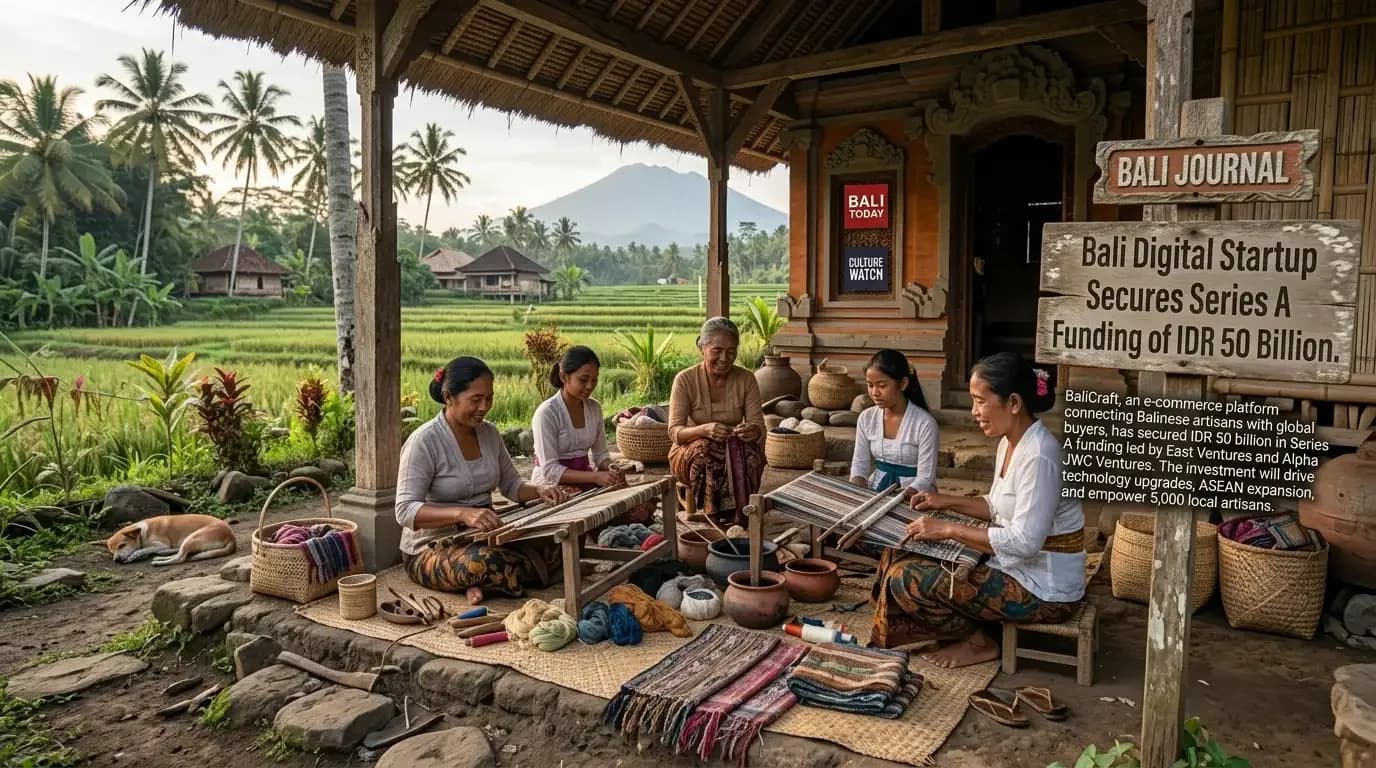
Moreover, the local community is benefiting from this trend as many luxury retreats are engaging in community development projects. For instance, several resorts collaborate with local artisans to showcase Balinese craftsmanship, providing a platform for cultural exchange and economic growth. This not only enhances the visitor experience but also fosters a sense of community and cultural pride.

As more travelers express interest in experiences that align with their values, the competition among hotels and resorts is intensifying. This has led to innovative offerings, such as culinary classes featuring locally sourced ingredients, guided eco-tours, and wellness retreats that promote mindfulness and rejuvenation. These experiences are not only appealing to tourists but also contribute to the preservation of Bali's rich cultural heritage.
In addition to the environmental benefits, sustainable luxury retreats are also attracting a diverse clientele. Travelers from various demographics, including millennials and affluent families, are increasingly prioritizing sustainability in their vacation choices. This shift is prompting Bali’s hospitality sector to adapt and reimagine its offerings to attract this eco-conscious market.
The impact of this trend is evident in the overall visitor experience. Many tourists are now sharing their stories on social media, emphasizing their positive experiences at eco-friendly resorts, which in turn boosts the visibility of these establishments. This organic promotion has proven to be invaluable, as travelers often rely on peer recommendations when making their travel plans.

Despite the challenges posed by the global pandemic, Bali's sustainable luxury retreats are poised for continued growth. The local government is actively supporting this shift by promoting eco-tourism initiatives and enhancing infrastructure to accommodate the increasing number of visitors. The recent investment in sustainable tourism measures aims to ensure that Bali remains a premier destination for travelers seeking both luxury and responsibility.
As the tourism sector in Bali evolves, the focus on sustainable luxury will likely play a crucial role in shaping the future of the island's economy. By embracing this trend, Bali not only enhances its appeal as a destination but also serves as a model for other tourist hotspots around the world.


Read Also from Other Categories

New Bali Regulations Aim to Enhance Public Safety and Environmental Protection
Bali's government has introduced new regulations targeting public safety and environmental preservation, significantly impacting local communities. The measures are designed to address rising concerns over tourism-related incidents and environmental degradation.

Investment in Bali's Digital Payment Solutions Grows 150% in 2023
Bali's digital payment solutions market has surged by 150% this year, attracting significant investments from both local and international investors. This trend is reshaping the financial landscape of the island, with startups leading the charge in innovative payment technologies.

Traffic Fatalities Spike in Bali: A Growing Concern for Road Safety
Traffic-related deaths in Bali have surged by 25% over the past year, raising alarm among local authorities. The increasing number of fatalities demands immediate action to improve road safety measures and public awareness.

Community Health Centers Transform Access to Care in Bali's Villages
New community health initiatives are reshaping healthcare access in Bali's rural areas. Local governments collaborate with residents to enhance medical services and education.
Job Opportunities Soar in Bali's Creative Industries Amid Digital Shift
Bali's creative sector is experiencing a job boom as digital skills become essential. New training programs aim to equip locals with the necessary tools to thrive in this evolving market.

Emerging Trends in Bali's Circular Economy: A Shift Towards Sustainability
Bali is experiencing a notable shift towards a circular economy, with over 30% of local businesses adopting sustainable practices. This transformation not only addresses environmental challenges but also enhances economic resilience for local communities.
Comments (0)
No comments yet. Be the first!