Traffic Fatalities Spike in Bali: A Growing Concern for Road Safety
Traffic-related deaths in Bali have surged by 25% over the past year, raising alarm among local authorities. The increasing number of fatalities demands immediate action to improve road safety measures and public awareness.

In a troubling trend, Bali has witnessed a significant spike in traffic fatalities, with a reported 25% increase over the past year. Data from the Bali Traffic Police indicates that the number of traffic-related deaths rose from 120 in 2022 to 150 in 2023. This alarming statistic not only highlights the urgent need for improved road safety measures but also calls into question the effectiveness of existing traffic regulations.
Among the most affected areas is the bustling district of Kuta, known for its busy streets and heavy tourist traffic. In Kuta alone, traffic accidents accounted for 40% of the total fatalities, with a notable rise in incidents involving motorbikes. The Bali Police have attributed this rise to factors such as reckless driving, speeding, and the increasing number of vehicles on the road, particularly among tourists unfamiliar with local traffic norms.
Comparison data from neighboring provinces indicates that Bali's traffic fatality rate is among the highest in Indonesia. In East Java, for instance, the increase in traffic fatalities was only 10% over the same period, showcasing a stark contrast. Local authorities are now under pressure to implement stricter traffic enforcement and public safety campaigns to combat this rising trend.
The Bali Provincial Government has announced plans to introduce new safety measures, including the installation of additional traffic cameras and the establishment of more pedestrian zones in high-traffic areas. Governor Wayan Koster stated that enhancing road safety is a top priority, emphasizing the need for community involvement in promoting safe driving practices.

In addition to governmental actions, there is a growing call for community engagement in road safety initiatives. Local advocacy groups are organizing awareness campaigns aimed at educating both residents and tourists about the dangers of reckless driving. These initiatives are crucial as they aim to change behaviors, particularly among young drivers who are often the most affected by traffic accidents.
Moreover, a significant portion of traffic fatalities involves alcohol consumption. Recent surveys show that nearly 30% of drivers involved in fatal accidents had consumed alcohol prior to the incident. In response, Bali authorities are increasing patrols during peak tourist seasons and implementing random sobriety checkpoints to deter drunk driving.
The economic impact of traffic accidents is also a growing concern. The Bali Hotel Association reported that an increase in traffic-related injuries and deaths has led to a decline in tourist confidence. This has resulted in a 15% drop in hotel bookings in areas heavily affected by traffic incidents, as visitors express concerns over their safety while navigating the island.

To further address this issue, Bali's traffic police are collaborating with local businesses to promote safe transportation options, such as ride-sharing services and public transport. They are also encouraging the use of helmets for motorbike riders, a measure that has been shown to significantly reduce the severity of injuries in accidents.
As Bali continues to attract millions of visitors each year, the importance of road safety cannot be overstated. The recent surge in traffic fatalities serves as a wake-up call for both authorities and residents alike. Without immediate and effective interventions, the island's reputation as a safe travel destination may be at risk.
In conclusion, addressing the rising traffic fatalities in Bali requires a multifaceted approach that includes stricter enforcement of traffic laws, public education campaigns, and improved infrastructure. The collaboration between government, community, and local businesses will be essential in creating a safer environment for all road users on the island.



Read Also from Other Categories

Innovative Collaborations: How Bali's Tourism Sector is Evolving
Bali's tourism industry is embracing innovative partnerships to enhance visitor experiences. From local artisans to tech startups, these collaborations are redefining how tourists engage with the island's culture and environment.
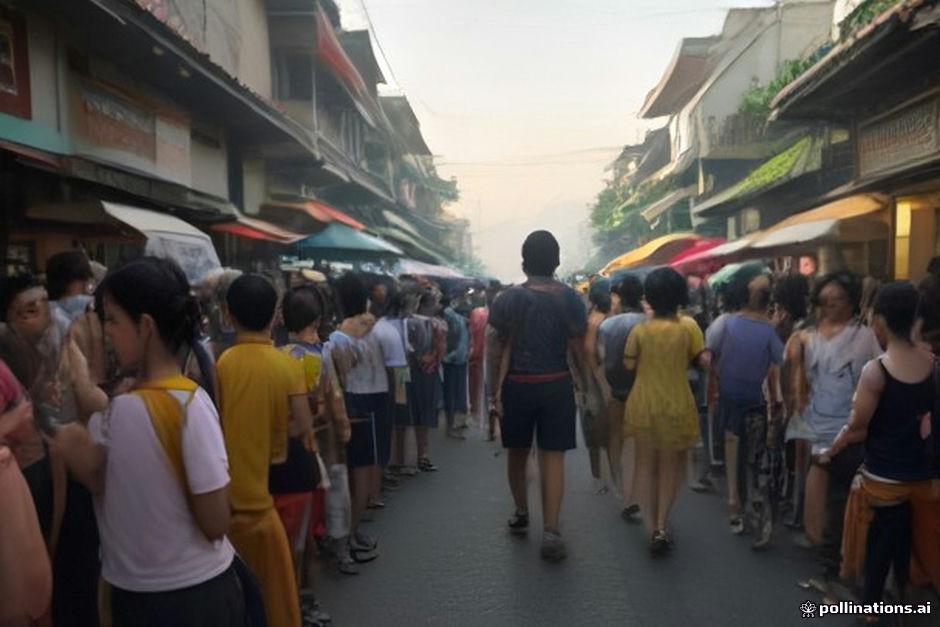
New Bali Regulations Aim to Enhance Public Safety and Environmental Protection
Bali's government has introduced new regulations targeting public safety and environmental preservation, significantly impacting local communities. The measures are designed to address rising concerns over tourism-related incidents and environmental degradation.
Investment in Bali's Digital Payment Solutions Grows 150% in 2023
Bali's digital payment solutions market has surged by 150% this year, attracting significant investments from both local and international investors. This trend is reshaping the financial landscape of the island, with startups leading the charge in innovative payment technologies.

Community Health Centers Transform Access to Care in Bali's Villages
New community health initiatives are reshaping healthcare access in Bali's rural areas. Local governments collaborate with residents to enhance medical services and education.
Job Opportunities Soar in Bali's Creative Industries Amid Digital Shift
Bali's creative sector is experiencing a job boom as digital skills become essential. New training programs aim to equip locals with the necessary tools to thrive in this evolving market.

Emerging Trends in Bali's Circular Economy: A Shift Towards Sustainability
Bali is experiencing a notable shift towards a circular economy, with over 30% of local businesses adopting sustainable practices. This transformation not only addresses environmental challenges but also enhances economic resilience for local communities.
Comments (0)
No comments yet. Be the first!