Innovative Collaborations: How Bali's Tourism Sector is Evolving
Bali's tourism industry is embracing innovative partnerships to enhance visitor experiences. From local artisans to tech startups, these collaborations are redefining how tourists engage with the island's culture and environment.

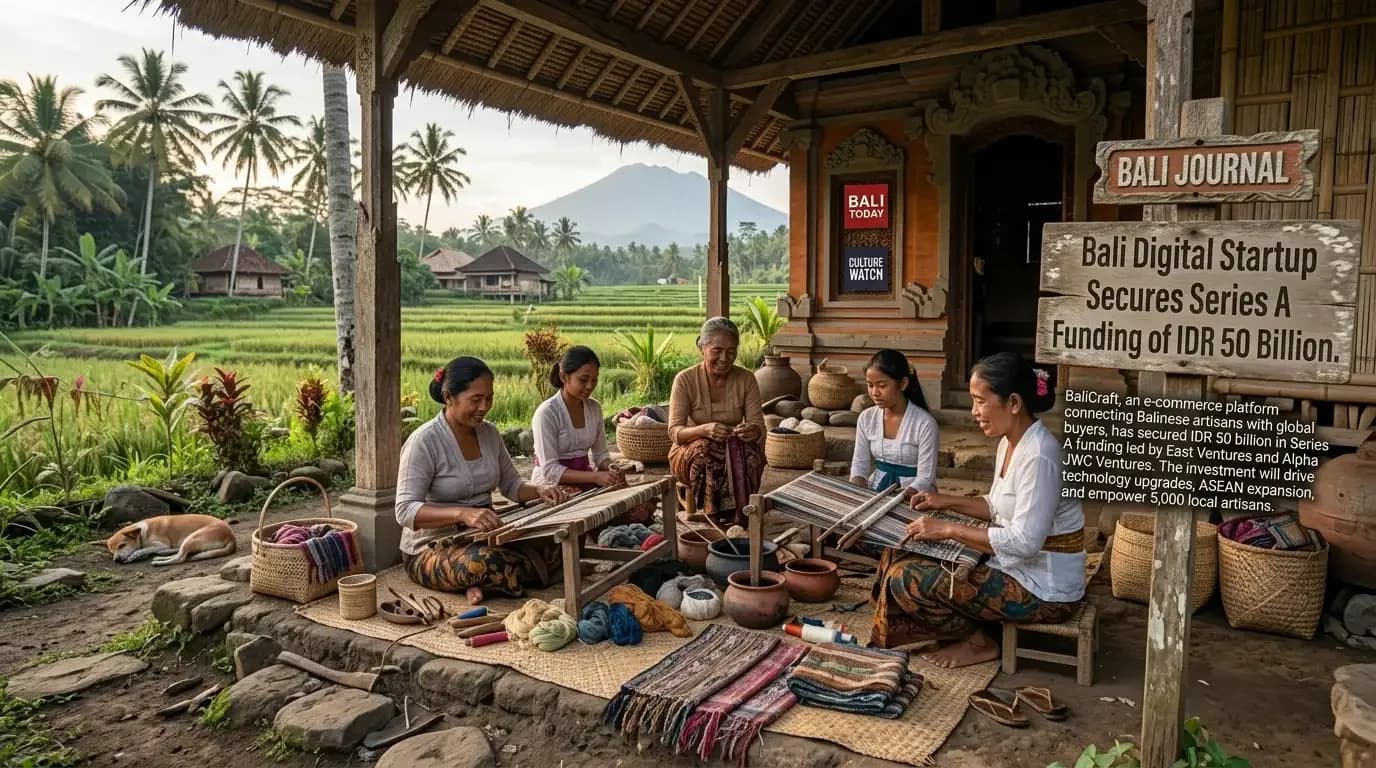
As the sun sets over the lush rice fields of Ubud, a gentle breeze carries the sound of traditional Balinese gamelan music through the air. Visitors gather around artisans meticulously crafting intricate wood carvings and handmade jewelry, captivated by the stories behind each piece. These moments showcase a vibrant scene where the past meets the present, exemplifying how Bali's tourism sector is evolving through innovative collaborations.
In recent years, Bali's tourism industry has shifted from a purely transactional approach to one that fosters deeper connections between visitors and local communities. This transformation is driven by partnerships that blend cultural heritage with modern technology, creating enriching experiences for tourists while empowering artisans and local businesses.
One of the most notable collaborations is between local craftsmen and tech startups that focus on enhancing visitor engagement through digital platforms. For instance, a local artisan cooperative has partnered with a tech company to develop an app that allows tourists to book personalized workshops. This initiative not only showcases the artisans' skills but also promotes sustainable tourism by ensuring that a portion of the proceeds goes directly to the craftspeople.
The initiative has proven successful; feedback from participants has revealed an overwhelming appreciation for authentic experiences. “We are not just selling souvenirs,” explains Made Adnyana, a woodworker from Ubud. “We are sharing our culture, our stories, and our heritage with the world.” This sentiment echoes throughout the island, as more artisans and local businesses recognize the value of collaboration in attracting visitors who seek genuine cultural interactions.

Meanwhile, tourism boards are actively promoting these collaborations through various campaigns. The Bali Tourism Board has launched a 'Discover Local' initiative, encouraging visitors to explore lesser-known areas and support local vendors. This campaign highlights unique experiences, such as village tours led by locals, cooking classes using traditional recipes, and guided walks through historical sites that are off the typical tourist path.
Furthermore, sustainability is a key focus in these collaborations. Many local businesses are adopting eco-friendly practices that align with the growing demand for responsible tourism. For example, a partnership between eco-conscious hotels and local farmers has led to the emergence of farm-to-table dining experiences, where guests enjoy meals prepared with fresh, organic ingredients sourced from nearby farms. This not only supports local agriculture but also reduces the carbon footprint associated with food transportation.
The impact of these collaborations extends beyond just tourism; they are revitalizing local economies. According to recent data from the Bali Statistics Bureau, areas that have embraced these partnerships have seen a 30% increase in visitor engagement and a significant rise in income for local artisans and vendors. This financial boost is crucial in a post-pandemic recovery phase, where many communities are still grappling with the economic fallout of reduced tourism.

Moreover, the rise of digital nomad culture in Bali has further fueled these collaborative efforts. With more remote workers choosing to live and work on the island, there is a growing demand for cultural experiences that integrate technology and creativity. Co-working spaces are hosting workshops and events that bring together local artists and international entrepreneurs, fostering an atmosphere of innovation and exchange.
As the island continues to evolve, the focus on collaboration will play a pivotal role in shaping the future of Bali’s tourism. The blend of tradition and modernity not only enhances visitors’ experiences but also ensures that local communities thrive. Looking ahead, the potential for growth through these partnerships is boundless, paving the way for a tourism model that is both sustainable and enriching.
In conclusion, Bali's tourism sector is at a crossroads, driven by the power of collaboration. As visitors increasingly seek authentic connections and experiences, the island's commitment to fostering partnerships between artisans, businesses, and technology will define its path forward. With each crafted piece of art, each shared story, and each sustainable initiative, Bali is not just a destination; it is a living tapestry of culture, innovation, and community.

Read Also from Other Categories
New Bali Regulations Aim to Enhance Public Safety and Environmental Protection
Bali's government has introduced new regulations targeting public safety and environmental preservation, significantly impacting local communities. The measures are designed to address rising concerns over tourism-related incidents and environmental degradation.
Investment in Bali's Digital Payment Solutions Grows 150% in 2023
Bali's digital payment solutions market has surged by 150% this year, attracting significant investments from both local and international investors. This trend is reshaping the financial landscape of the island, with startups leading the charge in innovative payment technologies.

Traffic Fatalities Spike in Bali: A Growing Concern for Road Safety
Traffic-related deaths in Bali have surged by 25% over the past year, raising alarm among local authorities. The increasing number of fatalities demands immediate action to improve road safety measures and public awareness.

Community Health Centers Transform Access to Care in Bali's Villages
New community health initiatives are reshaping healthcare access in Bali's rural areas. Local governments collaborate with residents to enhance medical services and education.
Job Opportunities Soar in Bali's Creative Industries Amid Digital Shift
Bali's creative sector is experiencing a job boom as digital skills become essential. New training programs aim to equip locals with the necessary tools to thrive in this evolving market.

Emerging Trends in Bali's Circular Economy: A Shift Towards Sustainability
Bali is experiencing a notable shift towards a circular economy, with over 30% of local businesses adopting sustainable practices. This transformation not only addresses environmental challenges but also enhances economic resilience for local communities.
Comments (0)
No comments yet. Be the first!