Transforming Futures: Bali's Expanding Career Development Landscape
Bali is witnessing a notable shift in career development opportunities, driven by new training initiatives and collaborations. As the job market evolves, local residents are increasingly gaining access to resources that empower them to thrive in various industries.

Under the vibrant blue skies of Bali, a group of young adults huddles around laptops in a sunlit co-working space in Seminyak, their fingers dancing over keyboards as they engage in an online coding bootcamp. The air buzzes with excitement and determination, punctuated by the occasional clink of coffee cups as these aspiring tech professionals immerse themselves in the world of digital skills. This scene is part of a broader narrative unfolding across the island, where career development initiatives are rapidly transforming the employment landscape.
In recent months, Bali has seen a surge in programs aimed at equipping the local workforce with essential skills required for today's job market. The Bali Manpower Department, in collaboration with private tech companies, has rolled out various workshops and training programs focusing on digital literacy, coding, and other in-demand skills. These initiatives not only cater to youth but also target adults seeking to transition into new careers, reflecting a growing understanding of the need for lifelong learning.
One of the standout programs, "Bali Digital Academy," launched in late 2025, offers comprehensive courses in web development and digital marketing. Participants, many of whom are recent graduates, have the opportunity to learn from industry experts and gain practical experience through hands-on projects. As noted by the program coordinator, Maria Sari, "We aim to create a bridge between education and employment, ensuring that our students are job-ready upon completion of their training." This sentiment resonates deeply with the aspirations of many Balinese youth, eager to carve out successful careers in a competitive job market.

Furthermore, job fairs have become a vital part of this evolving landscape. The recent event held at the Bali International Convention Center attracted over 5,000 job seekers and more than 150 companies from various sectors, including technology, hospitality, and renewable energy. Employers, such as the renowned Hotel Indigo Bali Seminyak Beach, expressed their satisfaction with the quality of candidates available at the fair. "We are actively seeking local talent who not only understand our culture but also possess the skills we need to enhance our services," stated the hotel manager, Rika Dewi.
The emphasis on skill acquisition is not limited to the tech and hospitality sectors. Bali's agricultural sector is also experiencing a renaissance, with programs designed to promote sustainable practices and innovative farming techniques. Training centers in areas like Ubud are providing workshops on organic farming, agribusiness management, and eco-friendly practices, ensuring that local farmers can compete in both domestic and international markets.
Local governments and educational institutions are joining forces to create a more integrated approach to workforce development. Collaborations between universities and industry leaders have led to the establishment of internship programs that provide students with real-world experience. Udayana University, for instance, has partnered with several tech firms to offer internships that allow students to apply their classroom knowledge in practical settings. This synergy not only enhances students' employability but also helps businesses identify and nurture potential talent.

Looking ahead, the future of Bali's job market seems promising. As more residents gain access to training opportunities, the island is poised to benefit from a more skilled workforce that can adapt to the demands of a rapidly changing economy. The Bali Manpower Department is also planning to introduce additional programs focused on entrepreneurship, aiming to inspire locals to create their own businesses and drive economic growth from within.
In conclusion, Bali's commitment to career development and skill enhancement is paving the way for a more dynamic job market. As initiatives continue to evolve, the hope is that they will not only empower individuals but also foster a thriving economy that reflects the resilience and creativity of the Balinese people.


Read Also from Other Categories

Innovative Collaborations: How Bali's Tourism Sector is Evolving
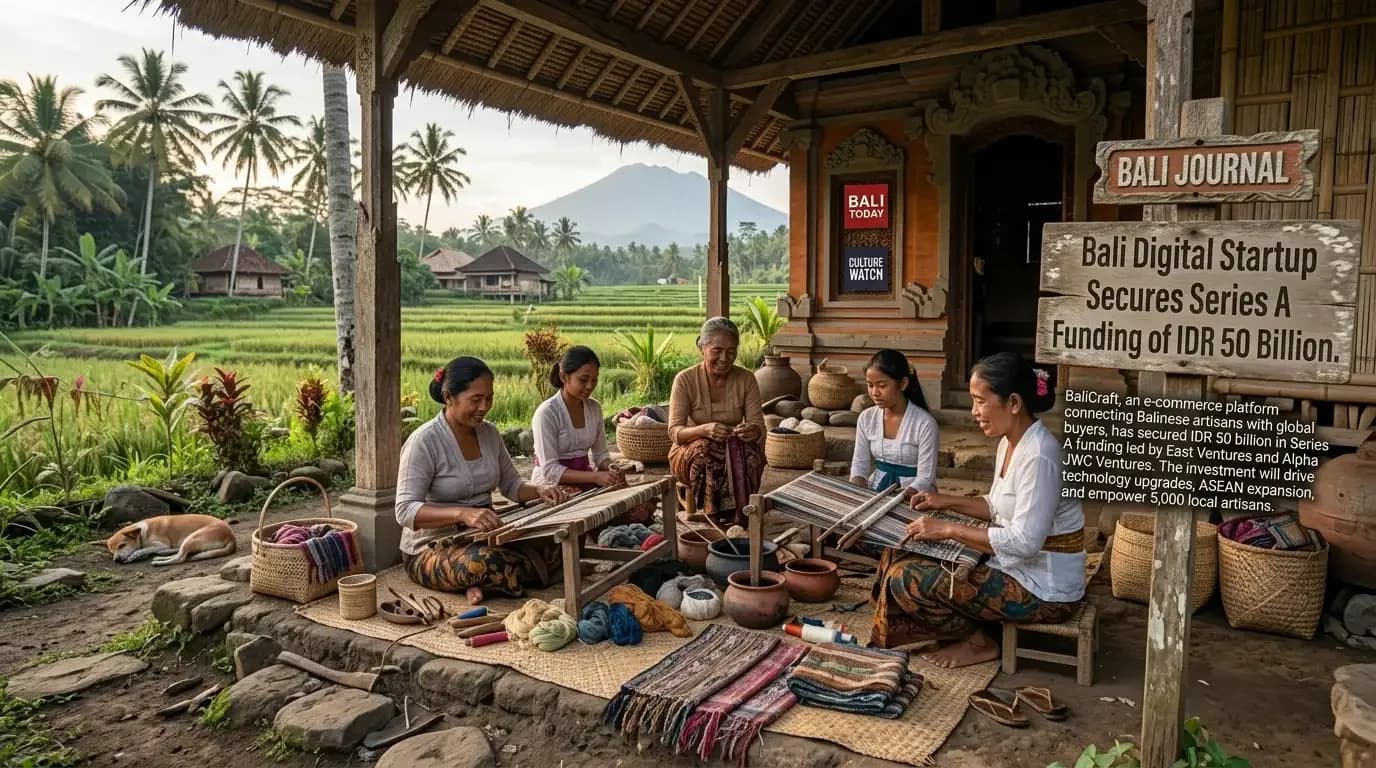
Bali's tourism industry is embracing innovative partnerships to enhance visitor experiences. From local artisans to tech startups, these collaborations are redefining how tourists engage with the island's culture and environment.
New Bali Regulations Aim to Enhance Public Safety and Environmental Protection
Bali's government has introduced new regulations targeting public safety and environmental preservation, significantly impacting local communities. The measures are designed to address rising concerns over tourism-related incidents and environmental degradation.

Investment in Bali's Digital Payment Solutions Grows 150% in 2023
Bali's digital payment solutions market has surged by 150% this year, attracting significant investments from both local and international investors. This trend is reshaping the financial landscape of the island, with startups leading the charge in innovative payment technologies.

Traffic Fatalities Spike in Bali: A Growing Concern for Road Safety
Traffic-related deaths in Bali have surged by 25% over the past year, raising alarm among local authorities. The increasing number of fatalities demands immediate action to improve road safety measures and public awareness.

Community Health Centers Transform Access to Care in Bali's Villages
New community health initiatives are reshaping healthcare access in Bali's rural areas. Local governments collaborate with residents to enhance medical services and education.

Emerging Trends in Bali's Circular Economy: A Shift Towards Sustainability
Bali is experiencing a notable shift towards a circular economy, with over 30% of local businesses adopting sustainable practices. This transformation not only addresses environmental challenges but also enhances economic resilience for local communities.
Comments (0)
No comments yet. Be the first!