Tourism's New Pulse: Bali's Rise as an Arts and Culture Destination
As Bali's tourism evolves, a significant shift towards arts and culture is reshaping visitor experiences. Recent statistics reveal a 25% increase in cultural tourism, drawing attention to the island's rich heritage and artistic offerings.
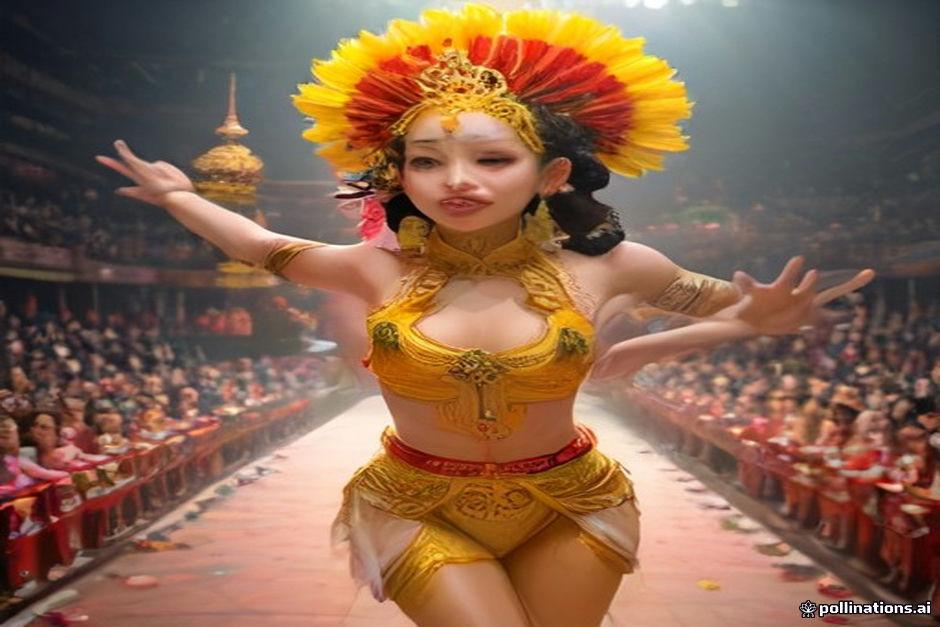
In 2026, Bali's cultural tourism experienced a remarkable 25% increase, highlighting a shift in visitor preferences towards immersive cultural experiences. This growth reflects a broader trend where tourists are seeking authentic engagements with local traditions and arts, departing from the conventional sun-and-sand holiday model.
The rise of cultural tourism is evident in the increasing number of arts festivals and community events being organized across the island. For instance, the Bali Arts Festival, which showcases traditional and contemporary Balinese arts, attracted over 100,000 visitors in its latest edition, a 30% increase compared to the previous year. This festival has become a pivotal platform for local artists, promoting not only their work but also the cultural narratives that define Bali.
Moreover, the integration of art into the tourism experience has led to the emergence of new galleries and cultural spaces. Locations such as Ubud, known for its artistic heritage, are now home to over 50 galleries and art spaces, a significant rise from just a handful a decade ago. These establishments provide tourists with opportunities to engage with local artisans, participate in workshops, and purchase unique handcrafted items, ultimately enriching their travel experience.
Additionally, the Bali Tourism Board has actively promoted cultural tourism as part of its strategic goals, emphasizing the need to preserve and enhance local heritage. The board reported that 40% of visitors indicated that cultural experiences were a primary motivation for their trip, surpassing traditional attractions like beaches and resorts.

In response to this trend, hotels and accommodations are adapting by offering packages that include cultural tours, workshops, and access to local festivals. For example, several high-end resorts in Seminyak now collaborate with local artists to provide guests with art workshops and exhibitions on-site. This not only enhances the guest experience but also supports the local economy by providing artists with additional platforms to showcase their work.
Furthermore, the culinary scene in Bali is closely tied to cultural tourism. Local food festivals have gained popularity, with events like the Ubud Food Festival drawing attention to Balinese cuisine. This year's festival saw a 50% increase in attendance, with over 20,000 visitors sampling dishes prepared by local chefs and participating in cooking classes.
The impact of these cultural initiatives extends beyond tourism; they foster a sense of community and pride among locals. Artisans and cultural practitioners are receiving greater recognition and support, which is crucial for the sustainability of Bali's rich cultural traditions. The government has also recognized the importance of these initiatives, pledging increased funding for cultural preservation and promotion.

Looking ahead, the future of Bali's tourism appears promising as the island embraces its artistic and cultural identity. Experts predict that by 2028, cultural tourism could represent nearly 35% of Bali's overall tourism revenue, underscoring the potential for growth in this sector.
As Bali continues to evolve, the blend of modern tourism with rich cultural experiences is set to redefine the island's appeal, attracting a diverse range of visitors seeking more than just a beach getaway.



Read Also from Other Categories
New Regulations on Bali's Agricultural Sector Aim to Enhance Sustainability
Bali's provincial government has introduced new regulations aimed at boosting agricultural sustainability amidst rising global food security concerns. These measures are designed to support local farmers while balancing environmental preservation and economic growth.

Investors Pivot to Bali's Thriving Sustainable Agriculture Sector
Bali's sustainable agriculture scene is experiencing a surge in interest from investors, driven by a global shift towards eco-friendly practices. This trend offers new opportunities for local farmers and innovative startups aiming to reshape the island's agricultural landscape.

Surging Traffic Accidents Test Bali's Emergency Response Capabilities
Bali witnesses a troubling spike in traffic accidents, raising concerns among local authorities and residents. As the island's road safety measures come under scrutiny, emergency services are preparing for increased demands.
Preserving Balinese Heritage: A Grassroots Movement in Tabanan
In Tabanan, local communities unite to safeguard their cultural heritage through innovative initiatives. As modernization threatens traditional practices, these grassroots efforts aim to strengthen community ties and preserve local identity.

Youth Skills Training Programs Reshape Employment Landscape in Denpasar
In Denpasar, innovative skills training initiatives are empowering local youth for diverse job opportunities. These programs aim to bridge the gap between education and the labor market, enhancing employability in Bali's evolving economy.
Cultural Clash: The Impact of Bali's Tourism Boom on Local Livelihoods
As Bali's tourism industry rebounds post-pandemic, local communities face challenges in preserving their cultural identity. This article explores the growing tension between cultural preservation and the rising demand for authentic experiences from visitors.
Comments (0)
No comments yet. Be the first!