Investment Surge in Bali's EdTech Sector Signals Growing Opportunities
Bali's education technology sector is experiencing a significant influx of investments, attracting local and international funding. This trend highlights the island's potential as a hub for innovative educational solutions amidst a global push for digital learning.
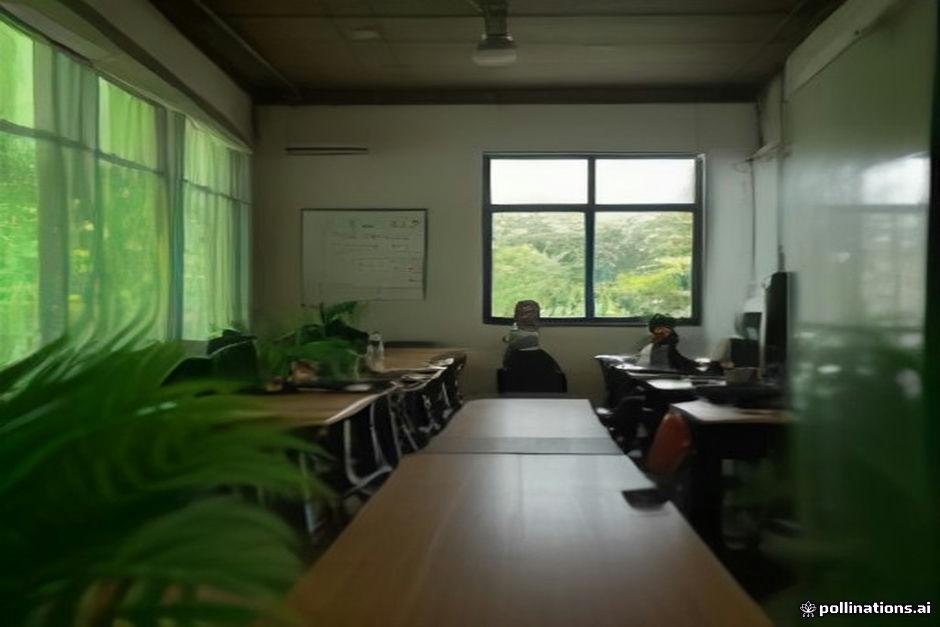
Bali's education technology (EdTech) sector is witnessing a remarkable surge in investments, with local startups securing over IDR 300 billion in funding within the first half of 2023. This influx of capital signals a robust interest from both local and international investors looking to tap into the growing demand for digital learning solutions in Indonesia.
Prominent EdTech startups such as Ruangguru and Zenius have expanded their services in Bali, offering a range of online learning platforms and tools that cater to students of all ages. These companies have reported increased user engagement and a significant rise in subscription rates, reflecting a shift in educational preferences towards digital mediums.
According to a recent report by the Indonesia EdTech Association, the country's EdTech market is projected to grow by 30% annually, driven by the increasing smartphone penetration and internet accessibility in rural and urban areas alike. This growth presents a unique opportunity for investors to support innovative solutions that address educational disparities in Indonesia.
“The education sector in Bali is ripe for disruption,” said Dimas Prabowo, a venture capitalist focused on the region. “Investors are beginning to recognize the potential of technology to enhance learning experiences and improve educational outcomes for students.”

In response to the growing interest, several local initiatives have emerged to support EdTech entrepreneurs. The Bali Startup Ecosystem, a collaborative network of investors, mentors, and industry experts, aims to provide resources and guidance for startups navigating the EdTech landscape. This initiative has already facilitated numerous workshops and networking events, fostering a vibrant community of innovators.
Furthermore, the provincial government has taken steps to create a conducive environment for EdTech growth. Recently, Governor Wayan Koster announced plans to invest in digital infrastructure and enhance internet connectivity across the island, acknowledging that access to reliable internet is essential for the success of digital education initiatives.
As part of this initiative, the government has partnered with local telecommunications companies to roll out high-speed internet in remote areas, ensuring that students in less accessible regions can also benefit from online learning platforms. This move is expected to further increase the demand for EdTech solutions, as more students gain access to digital resources.
Meanwhile, the rise of hybrid learning models, combining in-person and online education, has prompted many educational institutions in Bali to seek out technological partners. Schools and universities are increasingly adopting digital tools to enhance their curriculum, making it an opportune time for EdTech startups to collaborate and expand their offerings.

“We are seeing more schools interested in integrating technology into their teaching methodologies,” noted Maria Setiawan, Director of Bali International School. “This trend creates numerous opportunities for startups to provide tailored solutions that meet the specific needs of educators and students.”
Investors are taking note of this shift, with venture capital firms and angel investors actively seeking partnerships with EdTech startups. Notable funding rounds include a recent IDR 50 billion investment into a local platform that specializes in gamified learning, aimed at making education more engaging for students.
As the EdTech sector continues to evolve in Bali, the potential for growth remains substantial. With increasing investments, supportive government policies, and a growing demand for innovative educational solutions, Bali is poised to become a leading destination for EdTech entrepreneurship in Southeast Asia. The confluence of these factors sets the stage for a transformative era in education on the island, benefiting students, educators, and investors alike.



Read Also from Other Categories

Cultural Tourism in Bali: A New Trend Shaping Visitor Engagement
Bali's tourism landscape is witnessing a shift towards cultural tourism, drawing visitors eager for authentic experiences. As local communities embrace their heritage, this trend promises to redefine the island's appeal and economic sustainability.

New Regulations on Bali's Agricultural Sector Aim to Enhance Sustainability
Bali's provincial government has introduced new regulations aimed at boosting agricultural sustainability amidst rising global food security concerns. These measures are designed to support local farmers while balancing environmental preservation and economic growth.

Surging Traffic Accidents Test Bali's Emergency Response Capabilities
Bali witnesses a troubling spike in traffic accidents, raising concerns among local authorities and residents. As the island's road safety measures come under scrutiny, emergency services are preparing for increased demands.

Preserving Balinese Heritage: A Grassroots Movement in Tabanan
In Tabanan, local communities unite to safeguard their cultural heritage through innovative initiatives. As modernization threatens traditional practices, these grassroots efforts aim to strengthen community ties and preserve local identity.

Youth Skills Training Programs Reshape Employment Landscape in Denpasar
In Denpasar, innovative skills training initiatives are empowering local youth for diverse job opportunities. These programs aim to bridge the gap between education and the labor market, enhancing employability in Bali's evolving economy.

Cultural Clash: The Impact of Bali's Tourism Boom on Local Livelihoods
As Bali's tourism industry rebounds post-pandemic, local communities face challenges in preserving their cultural identity. This article explores the growing tension between cultural preservation and the rising demand for authentic experiences from visitors.
Comments (0)
No comments yet. Be the first!