Surging Traffic Accidents Test Bali's Emergency Response Capabilities
Bali witnesses a troubling spike in traffic accidents, raising concerns among local authorities and residents. As the island's road safety measures come under scrutiny, emergency services are preparing for increased demands.

In the bustling streets of Seminyak, the sounds of honking horns and revving engines have become almost deafening. Yet beneath this familiar cacophony lies a growing concern: a surge in traffic accidents that has residents and officials on high alert. Local emergency response teams are bracing for a challenging season, as data reveals a marked increase in road incidents across the island.
The Bali Police Department reported a staggering 30% rise in traffic accidents over the past six months compared to the previous year. This alarming trend has prompted community leaders to call for immediate action to enhance road safety measures. "We cannot ignore the statistics anymore; our roads are becoming more dangerous, especially with the influx of tourists and local drivers alike," says I Made Sudarma, a long-time Seminyak resident.
The island's narrow, winding roads are often crowded with motorbikes, cars, and pedestrians, creating a perfect storm for accidents. In the past month alone, there have been several notable incidents, including a collision on Jl. Legian that resulted in multiple injuries, and a tragic fatality near the Bali Mandira Beach Resort. Witnesses described the chaos that ensued, with emergency services racing to the scene as onlookers gathered in shock.
Local authorities are responding to these rising incidents with a renewed focus on traffic enforcement and public awareness campaigns. The Bali Provincial Government has announced plans to install additional traffic cameras on high-traffic routes such as Jl. Sunset Road and Jl. Seminyak. "We are working closely with local police to ensure that safety is prioritized on our roads," said the Head of Bali's Transportation Agency, I Gede Wayan Sudiarta.

In addition to increased surveillance, the government is also promoting educational programs aimed at both tourists and locals. Road safety workshops are being held at popular tourist spots, such as the beach clubs along Jl. Petitenget, to inform visitors about the importance of adhering to traffic rules. As part of this initiative, pamphlets detailing safe driving practices are being distributed at hotels and rental agencies.
However, not everyone is convinced that these measures will be enough. "Education is important, but enforcement is key. We need to see more police presence on the roads, especially during peak hours," emphasizes Putu Ayu, a local business owner. She believes that a more robust police presence could deter reckless driving behaviors that often lead to accidents.
The surge in accidents has also placed immense pressure on Bali's emergency services. The Bali Health Department has reported an increase in emergency room visits related to traffic incidents, straining resources in hospitals like Sanglah Hospital in Denpasar. Medical staff are working tirelessly to manage the influx, with many calling for more funding to support trauma care.
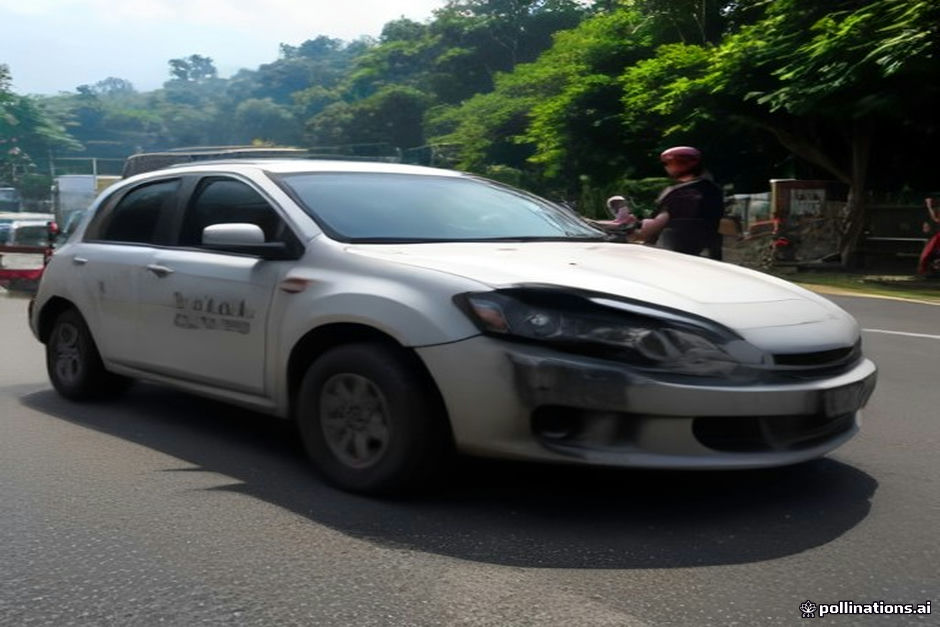
As the island gears up for the busy tourist season, the safety of its roads remains a pressing concern. Local officials are urging drivers to exercise caution and remain vigilant, especially in congested areas. "We all have a role to play in ensuring that our roads are safe for everyone, whether you are a local or a visitor," warns I Made Sudarma.
In light of these developments, residents are left wondering what further steps will be taken to address the rising tide of traffic accidents in Bali. With a high number of tourists expected to visit the island in the coming months, the need for effective traffic management and safety protocols has never been more critical.



Read Also from Other Categories

Cultural Tourism in Bali: A New Trend Shaping Visitor Engagement
Bali's tourism landscape is witnessing a shift towards cultural tourism, drawing visitors eager for authentic experiences. As local communities embrace their heritage, this trend promises to redefine the island's appeal and economic sustainability.

New Regulations on Bali's Agricultural Sector Aim to Enhance Sustainability
Bali's provincial government has introduced new regulations aimed at boosting agricultural sustainability amidst rising global food security concerns. These measures are designed to support local farmers while balancing environmental preservation and economic growth.

Investors Pivot to Bali's Thriving Sustainable Agriculture Sector
Bali's sustainable agriculture scene is experiencing a surge in interest from investors, driven by a global shift towards eco-friendly practices. This trend offers new opportunities for local farmers and innovative startups aiming to reshape the island's agricultural landscape.

Preserving Balinese Heritage: A Grassroots Movement in Tabanan
In Tabanan, local communities unite to safeguard their cultural heritage through innovative initiatives. As modernization threatens traditional practices, these grassroots efforts aim to strengthen community ties and preserve local identity.

Youth Skills Training Programs Reshape Employment Landscape in Denpasar
In Denpasar, innovative skills training initiatives are empowering local youth for diverse job opportunities. These programs aim to bridge the gap between education and the labor market, enhancing employability in Bali's evolving economy.

Cultural Clash: The Impact of Bali's Tourism Boom on Local Livelihoods
As Bali's tourism industry rebounds post-pandemic, local communities face challenges in preserving their cultural identity. This article explores the growing tension between cultural preservation and the rising demand for authentic experiences from visitors.
Comments (0)
No comments yet. Be the first!