Bali's Hospitality Sector Attracts $500 Million in New Investments
Bali's hospitality industry is experiencing a significant investment surge, drawing in $500 million in funding over the past year. This trend underscores the island's resilience and adaptability as it navigates post-pandemic recovery.

Bali's hospitality sector is witnessing a remarkable investment boom, attracting approximately $500 million in new funding in the last year alone. This influx of capital reflects the island's ongoing recovery from the pandemic and its appeal as a prime destination for both domestic and international tourists.
According to a report from the Bali Tourism Board, the investments are primarily directed towards the development of luxury resorts, boutique hotels, and eco-friendly accommodations. With a growing demand for sustainable tourism options, investors are increasingly focusing on projects that prioritize environmental responsibility and cultural preservation.
Notable among the new developments is the expansion of the Ayana Resort in Jimbaran, which recently announced a $150 million investment to enhance its facilities and introduce new wellness programs. The resort's management stated that the investment aims to elevate the guest experience while promoting Balinese culture through immersive activities.
Meanwhile, the Ubud area is seeing a rise in boutique hotels, with several new establishments opening their doors this year. One such project is the Kertih Villa, a luxury villa complex that has secured $20 million in funding. Designed to blend with the natural landscape, the villas offer personalized services and aim to attract high-end travelers seeking an authentic Balinese experience.

The surge in investment is also reflected in the increase of foreign direct investment (FDI) in Bali's hospitality sector. Data from the Indonesian Investment Coordinating Board (BKPM) shows that FDI in Bali's tourism reached $250 million in the first half of 2023, a significant increase compared to previous years. This trend highlights the confidence investors have in Bali's potential for growth and profitability.
Industry experts attribute this boom to several factors, including the gradual return of international travel, government support for tourism recovery initiatives, and a renewed focus on high-quality experiences. "Bali's unique cultural heritage and natural beauty continue to draw visitors, making it a lucrative market for hospitality investments," said Wayan Suardika, a tourism analyst based in Denpasar.
The Indonesian government has also played a crucial role in facilitating this investment surge. Recent policy changes aimed at simplifying the investment process for foreign companies have encouraged new players to enter the market. The government has introduced tax incentives for sustainable tourism projects, further enticing investors to prioritize eco-friendly developments.

Additionally, the rise of digital nomadism has contributed to the growing demand for long-term rental accommodations and co-living spaces in Bali. The influx of remote workers has prompted several developers to create projects tailored to this demographic, offering flexible living arrangements that cater to both work and leisure.
Despite the positive trends, challenges remain. The rapid growth of the hospitality sector has raised concerns about infrastructure strain and environmental sustainability. Local authorities are urged to balance development with the preservation of Bali's natural resources and cultural heritage. "We must ensure that our growth does not come at the expense of our environment and community," emphasized Nyoman Suyasa, head of the Bali Environmental Agency.
As Bali continues to attract significant investment in its hospitality sector, the island stands poised for a robust economic recovery. The ongoing development projects not only promise to enhance Bali's tourism offerings but also create job opportunities for local communities, contributing to the overall economic development of the region.
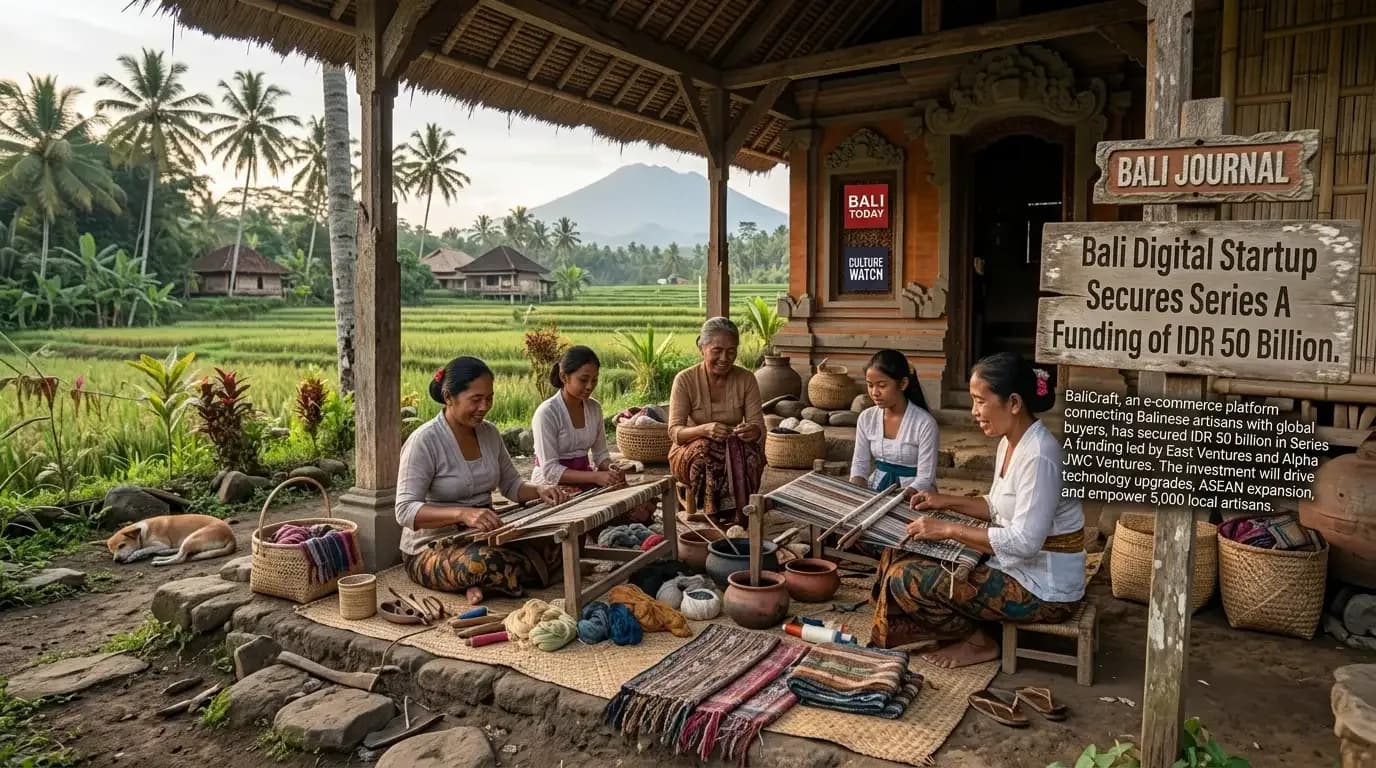


Read Also from Other Categories

Bali's Wellness Tourism Sector Expands Amid Global Health Trends
Bali's wellness tourism is experiencing a significant surge as visitors seek holistic health experiences. This trend is reshaping the island's tourism landscape, with new retreats and healing practices emerging across the region.

Bali's New Tourism Policy Aims to Enhance Local Involvement
Bali's provincial government is implementing new tourism regulations that prioritize local community involvement and sustainable practices. These measures aim to bridge the gap between tourists and residents while preserving the island's cultural integrity.
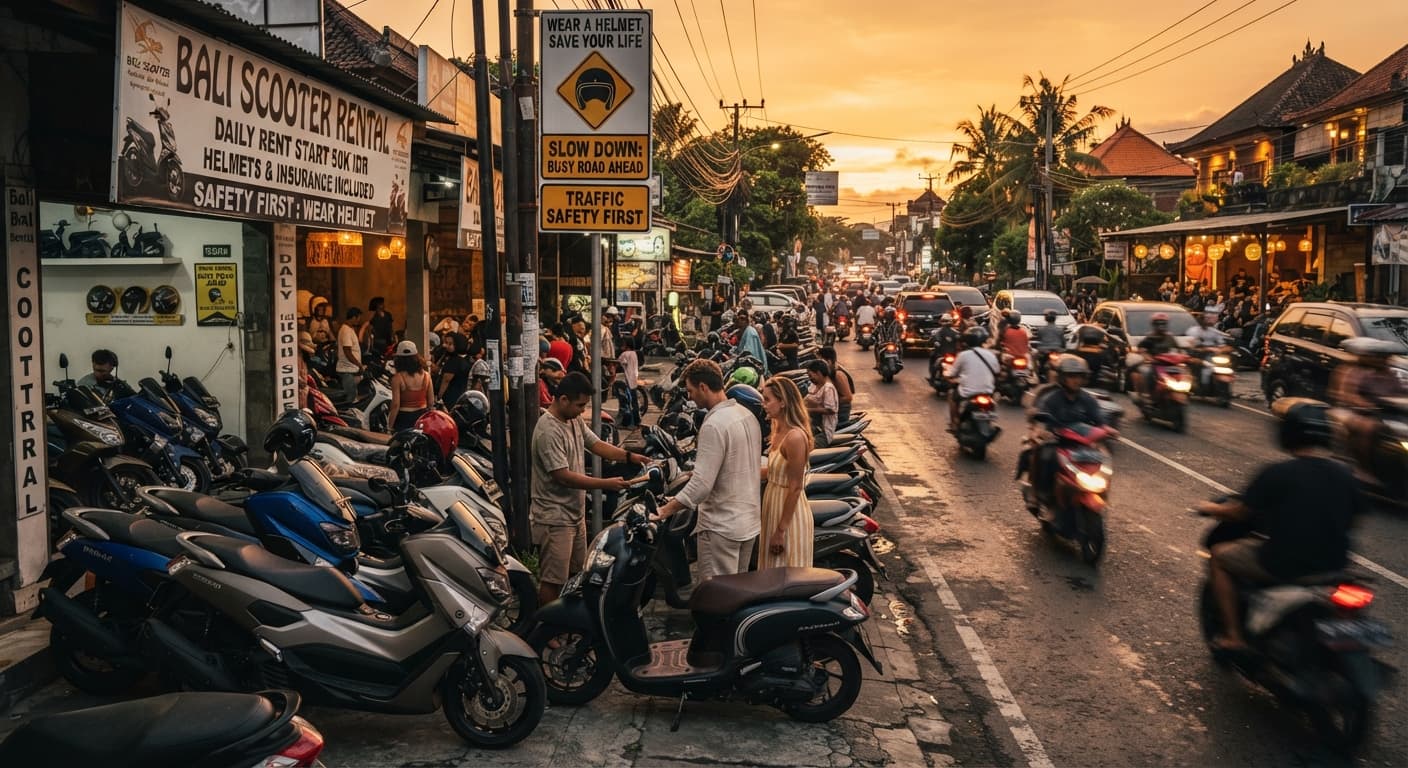
Bali's Rising Road Fatalities: A Call for Urgent Traffic Safety Measures
Bali experiences a concerning 25% increase in road fatalities in 2023, prompting calls for stricter traffic regulations. Experts warn that without immediate action, the island's tourist reputation and local safety will continue to suffer.
Bali's New Green Spaces: Community Gardens Transform Urban Landscapes
As urbanization accelerates in Bali, community gardens are emerging as a vital initiative for environmental sustainability and social cohesion. These green spaces not only beautify neighborhoods but also foster community engagement and ecological awareness among residents.

Bali's Job Market: Expanding Horizons for Career Development
As Bali's economy continues to recover, various sectors are witnessing a surge in employment opportunities. Job fairs and training programs are playing a crucial role in equipping residents with skills needed for the evolving market.
Navigating Bali's Food Scene: Local Cuisine Meets Global Influence
As Bali's food landscape evolves, local flavors intertwine with international trends, sparking a culinary renaissance. This fusion reflects both the island's rich heritage and the demands of a diverse dining clientele.
Comments (0)
No comments yet. Be the first!