Volcanic Activity Alerts Heighten Concerns for Bali's Coastal Communities
Recent seismic activities beneath Bali's Mount Agung have triggered heightened alerts and safety measures for local coastal communities. As officials intensify monitoring, residents and tourists alike face growing anxiety about potential eruptions and their implications for safety and travel.

The sun was setting over Amed Beach, painting the sky in hues of orange and pink, as a group of tourists marveled at the stunning view of Mount Agung in the distance. The scene seemed idyllic, yet beneath the surface, tension was building. Just days earlier, seismic activity had prompted local authorities to issue warnings, heightening concerns among both residents and visitors about the dormant giant's potential for eruption.
Recent geological assessments have indicated a notable increase in volcanic tremors, raising the alert level for Mount Agung. The Bali Volcanology and Geological Disaster Mitigation Center (PVMBG) reported over 200 seismic events in just one week, leading to increased vigilance in the surrounding areas. "We're monitoring the situation closely and have implemented safety protocols for local communities and tourists alike," stated a PVMBG representative.
For decades, Mount Agung has loomed as a majestic centerpiece of Bali, revered for its cultural significance. However, its volatility has always been a cause for concern. In 2017, a significant eruption led to mass evacuations and disrupted air travel, leaving lasting memories of chaos and uncertainty. Now, with the current uptick in activity, officials are keen to avoid a repeat of history.
Local fishermen in Amed are particularly anxious. The coastal area is not only a hub for tourism but also a vital source of livelihood for many families. "We depend on the sea for our income, but if an eruption occurs, it could change everything overnight," said Nyoman, a fisherman who has lived in Amed his entire life. The uncertainty has led to a decline in tourist numbers, impacting businesses that thrive on visitors eager to experience Bali's natural beauty.

Tour operators are also feeling the pinch. Many have reported cancellations as travelers reevaluate their plans. "People are understandably concerned. We have to reassure them that we are monitoring the situation and that safety is our top priority," explained Wayan, a local tour guide. The impact is palpable; local hotels are witnessing a drop in bookings, and businesses are bracing for a quieter season.
In response to the growing fears, the Bali provincial government has ramped up communication efforts, holding regular briefings to inform the public about the situation. Emergency drills are being conducted in coastal communities, educating residents on evacuation routes and safety measures. "Preparedness is key. We want our people to know what to do in case of an emergency," stated the Head of Bali Disaster Mitigation Agency.
Meanwhile, social media platforms have become a battleground of misinformation. As rumors swirl regarding the potential for a catastrophic eruption, local authorities are working to combat false narratives. "We are urging the public to rely on official updates and to avoid spreading unverified information that could cause unnecessary panic," a government spokesperson said.
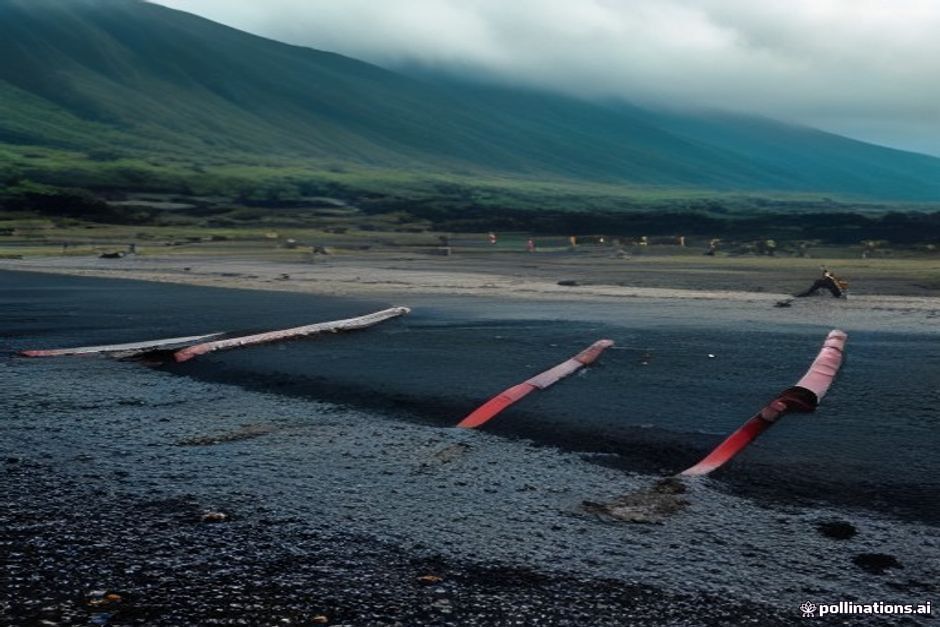
Despite the challenges, local communities are demonstrating resilience. In Amed, residents have come together to support one another, sharing resources and information. "We’ve learned to live with the volcano. It’s part of our lives. We will face whatever comes together," Nyoman added, embodying the spirit of Bali's inhabitants.
As the days pass, the focus remains on monitoring Mount Agung closely. With the holiday season approaching, both local residents and international tourists are hoping for calm. The government’s proactive measures are crucial in ensuring safety and maintaining the trust of those who flock to Bali’s shores. In the backdrop of uncertainty, the beauty of Bali continues to shine, yet the shadow of Mount Agung serves as a reminder of nature’s unpredictable force.

Read Also from Other Categories

Reviving Bali's Traditional Arts: A Pathway to Sustainable Tourism Growth
Bali is witnessing a resurgence in traditional arts as local artisans embrace innovation to attract tourists. This revival not only supports cultural heritage but also contributes to the island's sustainable tourism goals.

Jakarta's New Policies Spark Controversy Over Bali's Agricultural Future
Recent agricultural policies from Jakarta are causing a stir in Bali, raising concerns among local farmers about their livelihoods. The provincial government is pushing back against regulations perceived as detrimental to traditional practices and food security.
Investors Eye Bali's Eco-Tourism Ventures Amid Rising Global Consciousness
As eco-tourism gains traction worldwide, Bali emerges as a hotspot for investments in sustainable travel ventures. Local entrepreneurs and international investors alike are capitalizing on the island's natural beauty and cultural richness to promote environmental responsibility.

Innovative Water Management Strategies Address Bali's Scarcity Crisis
Bali's growing water scarcity has prompted local governments and communities to implement innovative water management strategies. These initiatives aim to balance the needs of agriculture, tourism, and the local population while preserving the island's natural resources.
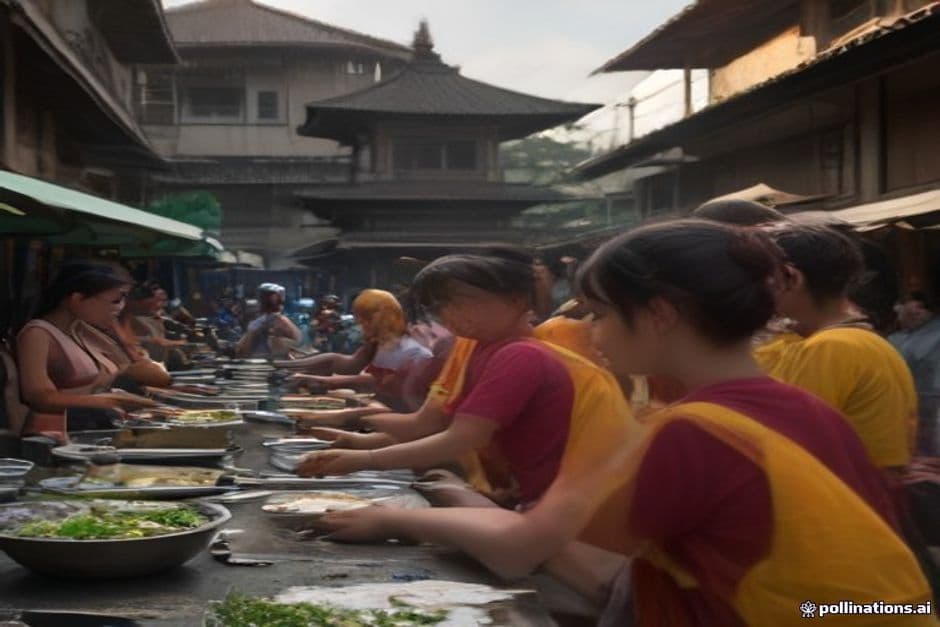
Skill Development Initiatives Spark Job Growth Across Bali's Industries
Bali is witnessing a surge in job training programs aimed at enhancing workforce skills. Local businesses and educational institutions are collaborating to address employment challenges and meet industry demands.

In Ubud, the Intersection of Art and Technology Sparks New Culture
As artists in Ubud embrace digital platforms, a cultural renaissance unfolds that blends traditional Balinese artistry with modern technology. This shift is redefining not only art consumption but also local community dynamics.
Comments (0)
No comments yet. Be the first!