Ubud's Cultural Renaissance: Art and Eco-Tourism Unite to Attract Visitors
Ubud is experiencing a cultural revival as art and eco-tourism initiatives reshape its appeal. Local artisans and eco-friendly practices are drawing in a new wave of visitors seeking authentic experiences.
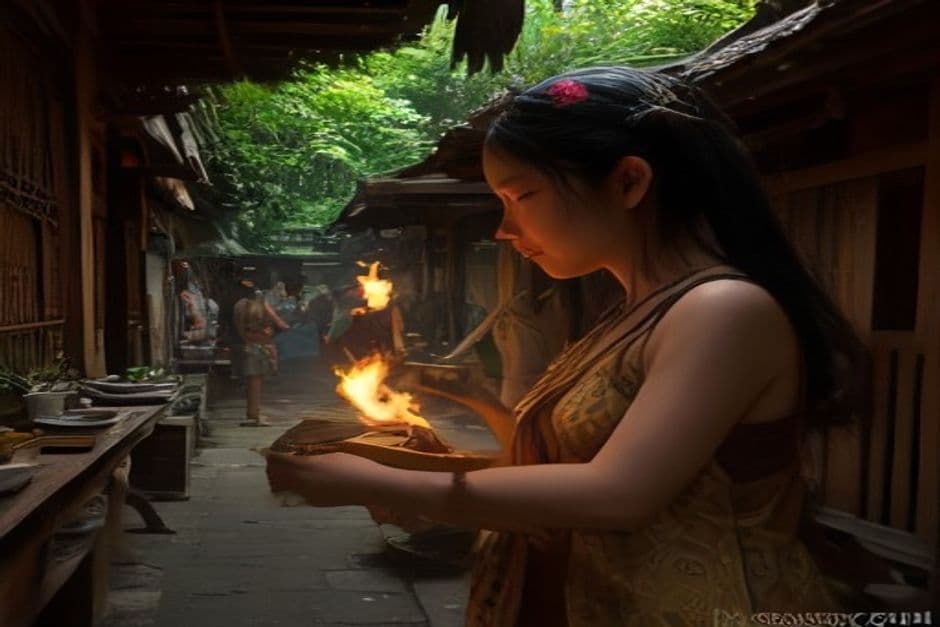
In the heart of Ubud, a village known for its lush landscapes and vibrant arts scene, a quiet revolution is taking place. Streets like Jalan Raya Ubud buzz with the energy of artisans showcasing their crafts, while eco-friendly lodges pop up alongside traditional warungs. As tourism trends shift towards sustainability and cultural immersion, Ubud is poised to redefine its identity as a must-visit destination.
Local artist Made Sudana stands proudly next to his gallery on Jalan Hanoman, surrounded by intricate wood carvings and paintings that reflect Balinese traditions. "Art is not just for selling to tourists; it’s a way to connect with our heritage and share our stories," he says, his passion evident in each word. The rise of art tourism, driven by both international interest and local pride, is revitalizing the community.
Further down the street, the Ubud Art Market bustles with visitors eager to find unique souvenirs. Vendors offer everything from handmade jewelry to batik textiles, reflecting the rich cultural tapestry of Bali. The market has become a critical space for local artists, allowing them to showcase their work directly to tourists, fostering a sense of connection and authenticity.
In recent months, eco-tourism has gained traction, with establishments like the Green Village leading the charge. Nestled along the Ayung River, this eco-resort features sustainable bamboo houses and promotes practices that minimize environmental impact. Visitors can partake in workshops on traditional Balinese crafts, yoga sessions overlooking rice paddies, and guided hikes through nearby forests. These experiences not only appeal to eco-conscious travelers but also support the local economy.
The local government is supporting these initiatives, recognizing the potential for sustainable tourism to drive economic growth. The Ubud Tourism Board has launched programs aimed at promoting environmentally friendly practices among local businesses. Head of the board, I Made Suardika, emphasizes that "by focusing on sustainable practices, we can ensure that Ubud remains a beautiful and viable destination for generations to come."
Festivals play a significant role in Ubud’s cultural renaissance. The Ubud Writers & Readers Festival, held annually, attracts literary enthusiasts from around the globe, providing a platform for local and international authors to share their work. This year’s festival will feature prominent speakers and workshops, further solidifying Ubud's reputation as a cultural hub.
Additionally, the Bali Spirit Festival is set to return, celebrating yoga, music, and wellness. The festival not only draws participants looking to enhance their well-being but also highlights the importance of community and cultural exchange. Local artisans often showcase their work during these events, creating a vibrant atmosphere that encourages interaction.
As Ubud embraces this new direction in tourism, challenges remain. Balancing the influx of tourists with the preservation of its cultural identity is paramount. Many locals express concern over the potential for commercialization threatening their way of life. Community meetings are increasingly common, where residents discuss ways to ensure that tourism benefits everyone.

Moreover, Ubud is working to improve infrastructure to accommodate the growing number of visitors. Efforts include upgrading roads and increasing public transportation options. The local government is also collaborating with community leaders to create guidelines that promote responsible tourism practices.
In cafes along Jalan Dewi Sita, conversations buzz about the future. Locals and visitors alike share ideas on how to sustain Ubud's charm while welcoming new faces. The blend of culture, art, and eco-tourism is seen as a way forward, ensuring that Ubud remains not just a destination but a living community rich with history and creativity.
As the sun sets over the rice fields, casting a golden hue across the landscape, it’s clear that Ubud is on the brink of a vibrant transformation. With its unique fusion of art and eco-tourism, it is set to attract visitors looking for authentic experiences that resonate with the heart of Bali.



Read Also from Other Categories
Transforming Bali's Public Services: AI Integration Gains Momentum
The Bali provincial government is ramping up efforts to integrate artificial intelligence into public services, aiming for a more efficient administrative process. This shift reflects a growing trend across Indonesia as local governments adopt digital solutions to enhance service delivery.

Emerging Trends in Bali's Investment Landscape: The Rise of Impact Startups
Bali is witnessing a significant shift in investment trends as impact startups gain traction. With a focus on social and environmental benefits, these ventures are attracting both local and international funding in unprecedented ways.

Unexpected Water Supply Crisis Hits Bali Amid Rising Demand and Climate Change
Bali faces a critical water supply shortage, with demand increasing by 25% year-over-year. Local officials are mobilizing to address the crisis as climate change exacerbates existing challenges.
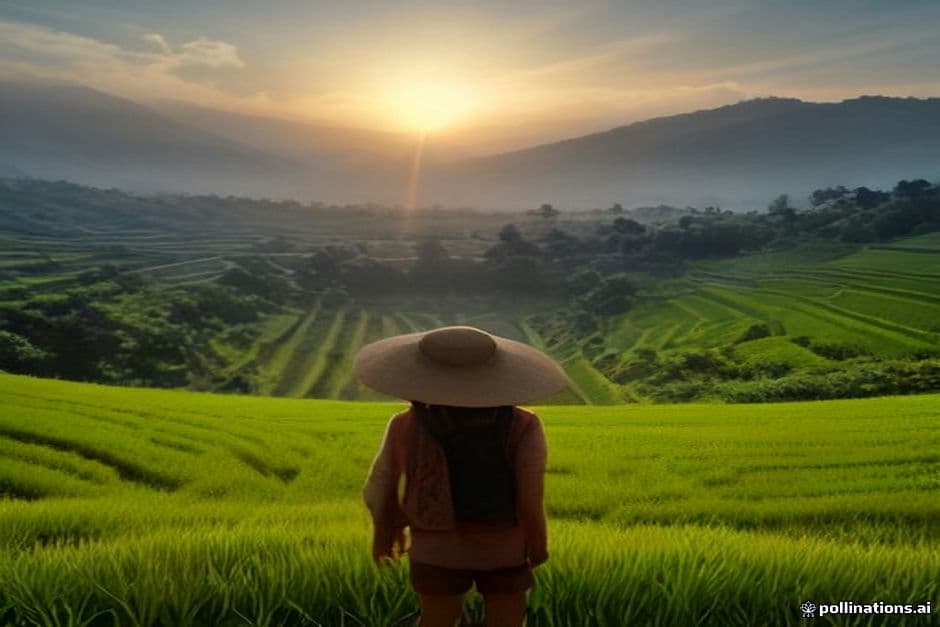
Local Farmers Transition to Agro-Tourism Amidst Climate Challenges
As climate change impacts agriculture, Bali's farmers are embracing agro-tourism to sustain their livelihoods. This shift not only preserves local culture but also enhances community engagement and economic resilience.
Job Opportunities in Bali's Agriculture Sector: A Path to Sustainability
Bali's agriculture sector is undergoing a transformation, presenting new job opportunities to locals. With a focus on sustainable practices, training programs are paving the way for a greener future in employment.
Rethinking Bali's Digital Nomad Policies: A Call for Sustainable Integration
Bali's digital nomad community has surged by 35% in the past year, prompting discussions on the need for more structured policies. Experts argue that without strategic planning, the influx could strain local resources and cultural integrity.
Comments (0)
No comments yet. Be the first!