Ubud's Creative Spaces Ignite Investment in Sustainable Art Startups
Amidst Ubud's lush landscapes, a wave of investment is transforming the local art scene into a thriving startup hub. Entrepreneurs are leveraging eco-friendly materials and innovative practices to attract funding and engage the community.
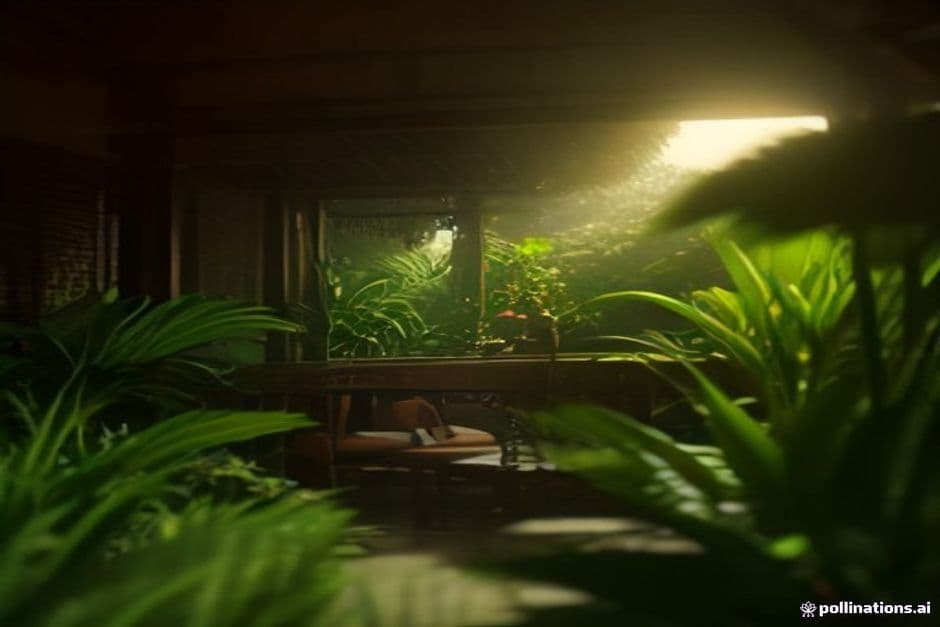
In the heart of Ubud, where rice paddies meet vibrant art galleries, a new wave of investment is reshaping the landscape of creative entrepreneurship. The scent of fresh paint mingles with the earthy aroma of the surrounding fields as local artists and entrepreneurs gather in co-working spaces like Hubud, discussing their latest sustainable art projects. "There’s a palpable energy here, a sense of possibility that I haven't felt before," says Maya, a local artist and co-founder of a startup focused on eco-friendly materials.
The shift towards sustainability in Ubud’s art scene is not just an aesthetic choice; it’s a response to the growing demand for environmentally conscious products. Investors are increasingly drawn to startups that prioritize sustainability, with recent funding rounds highlighting this trend. One notable example is the recent $1 million investment in GreenBrush, a company creating biodegradable paintbrushes made from natural fibers. This funding, led by Bali-based venture capital firm, EcoInvest, marks a significant milestone for local artists seeking to align their practices with eco-friendly values.
As I stroll down Jalan Raya Ubud, the vibrant murals and sculptures tell a story of innovation and resilience. Local galleries like Neka Art Museum and Agung Rai Museum of Art are not only showcasing traditional works but are also embracing contemporary art forms that reflect environmental themes. Visitors can immerse themselves in interactive installations made from recycled materials, exemplifying how art can challenge societal norms and advocate for sustainability.
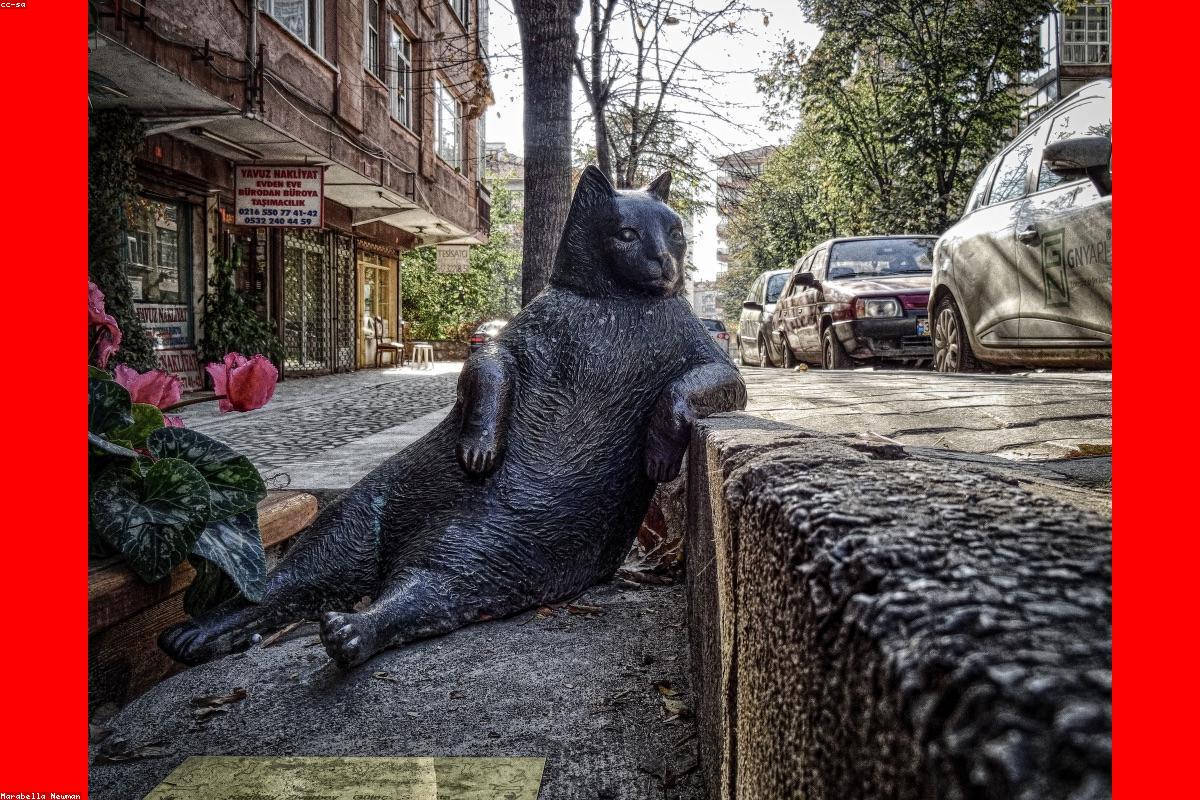
The surge in investment is further fueled by collaborative initiatives like the Ubud Creative Festival, which showcases the fusion of art and technology. This annual event attracts entrepreneurs, artists, and investors from around the globe, creating a fertile ground for networking and collaboration. "The festival has become a launchpad for many local startups, providing them with the visibility they need to attract funding," explains David, a festival organizer and local entrepreneur.
Additionally, the local government is playing a crucial role in fostering this creative economy. The Ubud Cultural Office recently announced a partnership with creative investors to support eco-friendly art initiatives. "We recognize the potential of our artists and entrepreneurs to drive economic development while preserving our cultural heritage," states I Made Suardika, Head of Ubud Cultural Office. This partnership aims to create grants and resources for artists who incorporate sustainable practices into their work.
However, the journey is not without its challenges. Many startups face the daunting task of scaling their businesses while maintaining their commitment to sustainability. A common concern among local entrepreneurs is the balance between profitability and eco-consciousness. "It’s a constant struggle," admits Maya. "We want to grow, but we also want to stay true to our values. Sometimes, it feels like a trade-off." This sentiment resonates with many in Ubud, where the tension between commercial success and artistic integrity is palpable.
Despite these challenges, the future looks promising for Ubud’s creative startups. With venture capitalists increasingly recognizing the value of sustainable businesses, local artists are finding new avenues for growth. The success stories emerging from this creative hub are inspiring a new generation of entrepreneurs to innovate within the realm of sustainable art.
As I sit down for a cup of Balinese coffee at a café overlooking the rice fields, it’s clear that Ubud is more than just a cultural hotspot; it’s becoming a beacon of sustainable innovation. The blend of creativity, community support, and investment is setting the stage for a transformative era in Bali’s art scene. As the sun sets over the horizon, casting a golden glow on the vibrant art around me, I can’t help but feel that Ubud is on the brink of something extraordinary.



Read Also from Other Categories

Ubud's Thriving Spiritual Tourism: A New Chapter in Visitor Engagement
Ubud is emerging as a key player in Bali's spiritual tourism scene, attracting visitors seeking authentic experiences. With a focus on local traditions and wellness, the area is redefining how tourists engage with Balinese culture.
Transforming Bali's Public Services: AI Integration Gains Momentum
The Bali provincial government is ramping up efforts to integrate artificial intelligence into public services, aiming for a more efficient administrative process. This shift reflects a growing trend across Indonesia as local governments adopt digital solutions to enhance service delivery.

Unexpected Water Supply Crisis Hits Bali Amid Rising Demand and Climate Change
Bali faces a critical water supply shortage, with demand increasing by 25% year-over-year. Local officials are mobilizing to address the crisis as climate change exacerbates existing challenges.
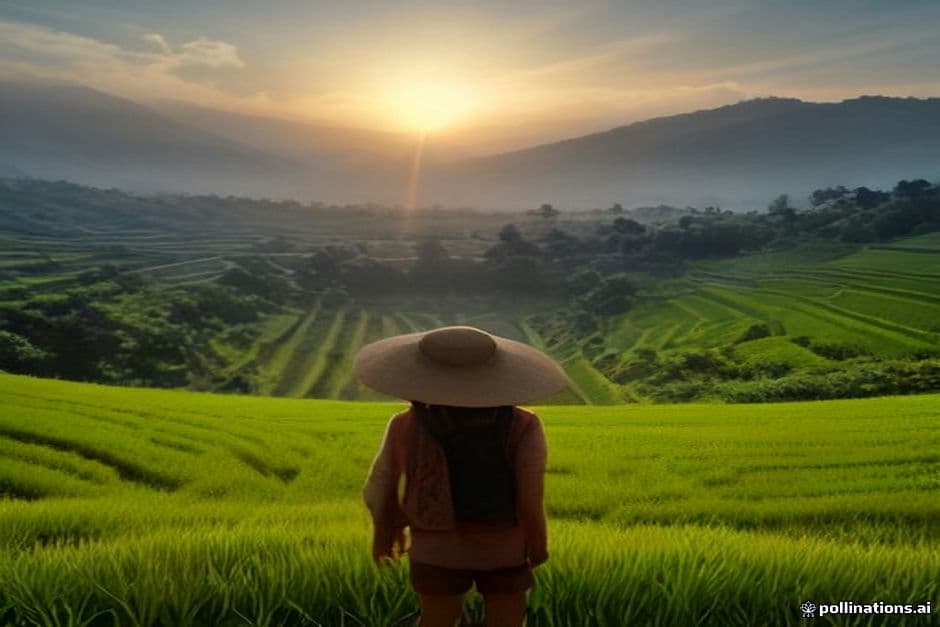
Local Farmers Transition to Agro-Tourism Amidst Climate Challenges
As climate change impacts agriculture, Bali's farmers are embracing agro-tourism to sustain their livelihoods. This shift not only preserves local culture but also enhances community engagement and economic resilience.
Job Opportunities in Bali's Agriculture Sector: A Path to Sustainability
Bali's agriculture sector is undergoing a transformation, presenting new job opportunities to locals. With a focus on sustainable practices, training programs are paving the way for a greener future in employment.
Rethinking Bali's Digital Nomad Policies: A Call for Sustainable Integration
Bali's digital nomad community has surged by 35% in the past year, prompting discussions on the need for more structured policies. Experts argue that without strategic planning, the influx could strain local resources and cultural integrity.
Comments (0)
No comments yet. Be the first!