Training Programs in Ubud Revolutionize Bali's Job Market for Youth
In Ubud, innovative training programs are equipping local youth with vital skills needed for today's job market. With a focus on technology and creativity, these initiatives aim to bridge the employment gap and foster sustainable careers.
In the bustling heart of Ubud, where art meets tradition, a quiet revolution is taking place in the job market. Local training programs are emerging as a beacon of hope for youth grappling with limited employment opportunities. These programs, which emphasize technology and creative skills, have drawn interest from both local businesses and international organizations eager to invest in the future of Bali's workforce.
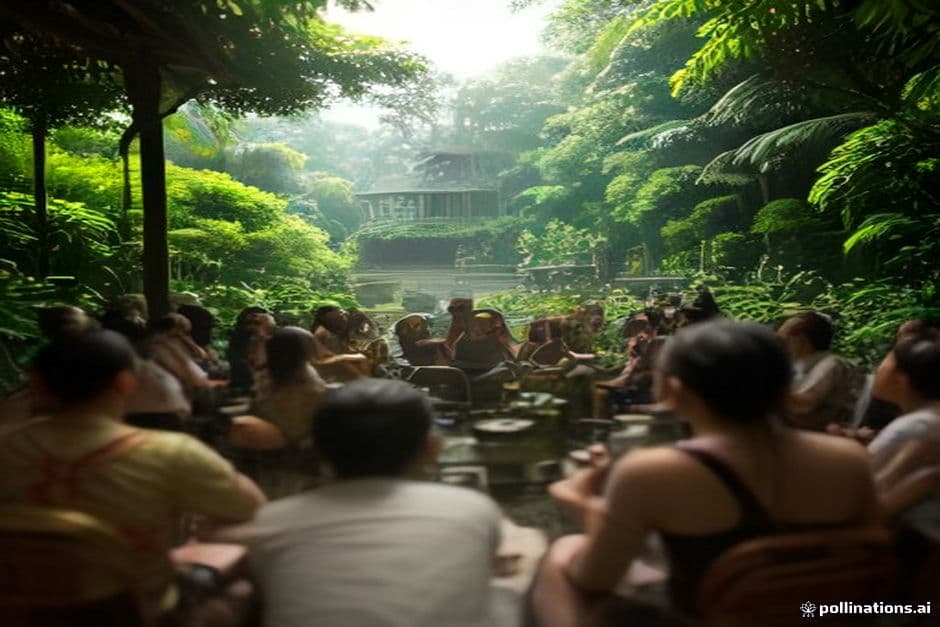
At the Ubud Creative Hub on Jalan Raya Ubud, a diverse group of young adults gathers every weekday for hands-on training sessions. Led by industry experts, these workshops cover a range of topics from digital marketing to graphic design. "We want to prepare our participants for the jobs of tomorrow," says Arini, a facilitator at the hub. "Many of our students come from backgrounds where higher education isn't accessible, but they have incredible potential that we can help unleash."
The vibrant sounds of laughter and chatter echo through the courtyard as students engage in group projects. This practical approach to learning is a key aspect of the training, allowing participants to build portfolios that showcase their skills. The Ubud Creative Hub is not the only initiative in town; similar programs are sprouting up across Bali, each offering unique insights into the evolving job landscape.
In tandem with these training programs, the local government is actively involved in fostering employment opportunities. The Bali Employment Agency recently partnered with educational institutions to create a job fair specifically targeting the creative industries. Scheduled for next month at the Ubud Convention Center, the event aims to connect local talent with businesses seeking fresh perspectives. "We are excited to see how our young people will shine in this space," commented the agency's director, Budi Santoso.

Aside from creative skills, there's a growing emphasis on technology. In nearby Denpasar, tech bootcamps are gaining traction, teaching coding and software development to a new generation of Balinese youth. These programs are designed to meet the demands of a rapidly digitalizing world. Last year, a report from the Indonesian Ministry of Communication and Information Technology highlighted a significant shortage of tech talent, prompting initiatives like these to fill the gap.
As training programs flourish, the local community is taking notice. Businesses across Ubud have begun to engage with these initiatives, offering internships and mentorships to participants. Restaurants, art galleries, and tech startups are all on board, recognizing the value of a skilled workforce. "It's a win-win situation," states Ketut, owner of a popular café. "We get fresh ideas from talented young people, and they gain invaluable experience that will help them in the future."
The impact of these programs extends beyond individual success stories. The increased skill level among youth is expected to stimulate the local economy, as more residents secure stable jobs and contribute to the community. The Ubud region, with its rich cultural heritage and tourist appeal, is particularly well-positioned to benefit from a skilled workforce.

However, challenges remain. Despite the enthusiasm surrounding these programs, not all youth are aware of the opportunities available to them. Outreach efforts are crucial to ensure that information reaches those who might benefit most. Local NGOs are stepping up, providing resources and support to help spread the word about training programs.
In conclusion, as Ubud embraces this new wave of training initiatives, the hope is that a generation of young Balinese will emerge equipped with the skills needed to thrive in an ever-changing job market. With a combination of creativity, technology, and community support, the future looks promising for Bali's youth, who are ready to take their place in the global economy.



Read Also from Other Categories

Exploring Bali's Thriving Community-Based Tourism Initiatives
Bali is witnessing a significant rise in community-based tourism initiatives that are enhancing local engagement and visitor experiences. This trend, driven by local artisans and sustainable practices, is reshaping the tourism landscape across the island.
New Regulations Seek to Transform Bali’s Public Service Delivery
Bali's provincial government is rolling out new regulations aimed at enhancing public service efficiency and accountability. With a focus on digital transformation, these changes are set to impact residents and businesses alike.

Bali's Insurance Tech Startups Attract Major Investments Amid Global Trends
Bali's insurance technology sector is rapidly gaining traction, with several startups securing significant funding in 2023. Investors are drawn to innovative solutions addressing local and global insurance challenges, signaling a shift in the investment landscape.

Increasing Boating Accidents Raise Safety Concerns for Bali's Waters
A recent uptick in boating accidents around Bali's coastline has prompted authorities to reassess safety measures. With the surge in tourist activities, local officials emphasize the need for enhanced regulations and awareness campaigns.

Community-Led Initiatives Revitalize Bali's Agricultural Heritage
In Bali, a resurgence in traditional farming practices is gaining traction, with over 40% of local farmers participating in community-led initiatives. These efforts aim to preserve the island's agricultural heritage while promoting sustainable practices and improving food security.
Local Governance Faces Challenges Amid Bali's Rapid Urban Development
Bali's local governments are grappling with the pressures of rapid urban development, as evidenced by a 35% increase in construction permits year-over-year. The struggle to balance growth with sustainability and community needs is becoming increasingly critical.
Comments (0)
No comments yet. Be the first!