Increased Landslide Risks Challenge Bali's Remote Villages
As heavy rains persist in Bali, remote villages face heightened risks of landslides, prompting local authorities to issue safety alerts. Community leaders are calling for urgent measures to enhance infrastructure and emergency response capabilities.
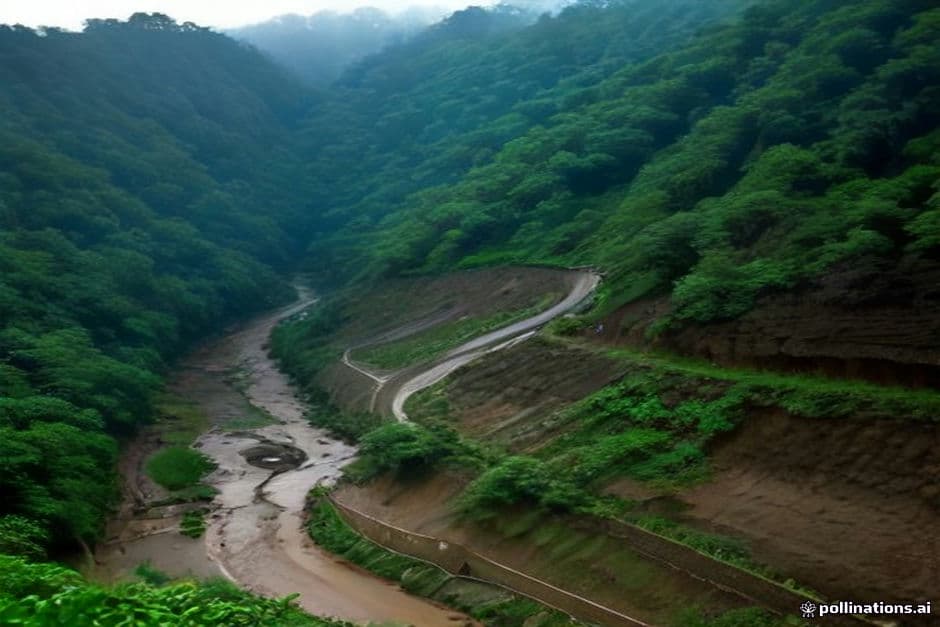
Bali's remote villages are facing a growing threat from landslides as the island continues to experience heavy rainfall, raising concerns among local residents and officials. Recent weather patterns have led to saturated soil conditions, increasing the likelihood of landslides, particularly in hilly and mountainous regions.
Authorities in Gianyar and Bangli regencies have reported several near-miss incidents in recent weeks, where landslides have blocked roads and isolated communities. In a recent statement, the Head of Disaster Management in Gianyar, I Made Sudarma, urged residents to remain vigilant and report any signs of unstable ground. 'The safety of our communities is our utmost priority,' he said.
Villagers in areas like Kintamani and Tegallalang have expressed their concerns regarding the lack of proper drainage systems, which exacerbates the risk of landslides. Local community leader Wayan Sudiarta highlighted the urgent need for infrastructure improvements. 'We have been asking for better drainage and road maintenance for years. Each rainy season, we live in fear of landslides disrupting our lives,' he explained.
In response to these growing concerns, the provincial government is mobilizing resources to assess vulnerable areas and improve early warning systems. The Bali Disaster Mitigation Agency (BPBD) is conducting risk assessments and has scheduled community meetings to educate residents about evacuation routes and safety protocols. 'Educating our communities is key to preventing casualties during extreme weather events,' said BPBD Director, Nyoman Suardika.

The island's diverse geography, characterized by steep hills and mountainous regions, makes it particularly susceptible to landslides during heavy rains. In 2022, Bali recorded over 800 millimeters of rainfall during the wet season, a figure that is expected to rise this year, according to meteorological reports.
Experts warn that climate change is contributing to unpredictable weather patterns, leading to increased rainfall and more frequent landslides. Dr. Putu Utami, a geologist at Udayana University, stated, 'The changing climate is intensifying weather events that we have not seen in the past. Areas that were once considered safe are now at risk.' This prediction has prompted local governments to prioritize disaster preparedness and response measures.
Community members are also taking initiative to enhance their safety. Local youth groups have organized clean-up drives to clear debris from drainage systems, while others are working to create community-led disaster response teams. 'We cannot rely solely on the government; we need to be proactive in protecting ourselves,' said local youth leader, Ketut Adi.
Despite these efforts, challenges remain. Many remote villages lack the necessary resources to implement effective safety measures, and funding from the provincial government is limited. Local officials are advocating for increased budget allocations to address infrastructure needs and disaster readiness.
As the rainy season continues, the risk of landslides in Bali's remote villages serves as a stark reminder of the urgent need for comprehensive disaster preparedness. With ongoing community efforts and governmental support, there is hope that lives can be protected against the growing threat of natural disasters.



Read Also from Other Categories

Exploring Bali's Thriving Community-Based Tourism Initiatives
Bali is witnessing a significant rise in community-based tourism initiatives that are enhancing local engagement and visitor experiences. This trend, driven by local artisans and sustainable practices, is reshaping the tourism landscape across the island.

Jakarta's Expansion Plans Prompt Bali's Government to Rethink Land Policies
As Jakarta prepares for significant urban expansion, Bali's provincial government faces pressure to update its land use regulations. This shift aims to balance development with preservation amidst concerns from local communities.

Bali's Insurance Tech Startups Attract Major Investments Amid Global Trends
Bali's insurance technology sector is rapidly gaining traction, with several startups securing significant funding in 2023. Investors are drawn to innovative solutions addressing local and global insurance challenges, signaling a shift in the investment landscape.

Community Efforts Push for Sustainable Development in Bali's Rural Areas
Local initiatives are driving a new wave of sustainable development in Bali's rural regions, focusing on infrastructure, education, and cultural preservation. As communities collaborate, the impact is reshaping their futures positively and sustainably.

Job Market Transformation: Bali's Shift to Remote Work Opportunities
Bali's job market is evolving, with remote work opportunities surging by 30% in the past year. This trend is reshaping employment patterns and attracting a diverse talent pool to the island.

Cafes and Culture: The Role of Community Spaces in Bali's Recovery
As Bali emerges from the pandemic, community cafes are becoming vital hubs for cultural exchange and economic revitalization. These spaces are not only serving coffee but also fostering a sense of belonging and collaboration among locals and visitors alike.
Comments (0)
No comments yet. Be the first!