Cafes and Culture: The Role of Community Spaces in Bali's Recovery
As Bali emerges from the pandemic, community cafes are becoming vital hubs for cultural exchange and economic revitalization. These spaces are not only serving coffee but also fostering a sense of belonging and collaboration among locals and visitors alike.

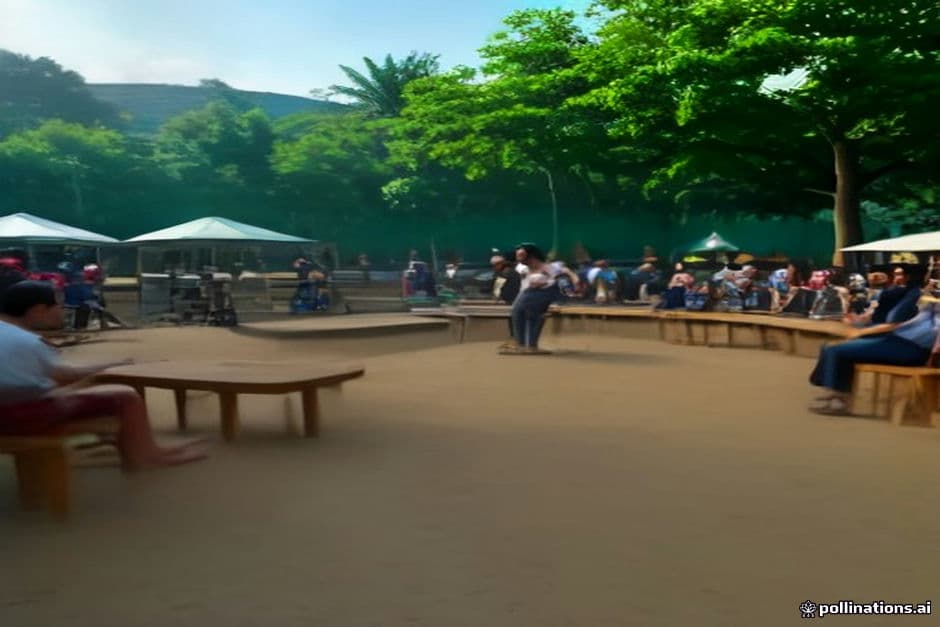
The sound of espresso machines whirring and the chatter of locals fill the air at a cozy café tucked away on a bustling street in Ubud. Here, a group of young Balinese artists gathers every Thursday afternoon, exchanging ideas and sketches over steaming cups of latte. This scene, so vibrant and full of life, epitomizes a broader trend sweeping across Bali: the rise of community-centric cafés as pivotal players in the island's recovery from the pandemic.
While Bali's tourism industry faced unprecedented challenges during the COVID-19 pandemic, local businesses began to adapt, creating spaces that not only cater to tourists but also prioritize community engagement. These cafés serve as more than mere coffee stops; they have transformed into cultural hubs where creativity, collaboration, and connection thrive. In a time when social distancing became the norm, these venues offered a sense of belonging and support for locals and expatriates alike.
One such café, Seniman Coffee Studio, located in the heart of Ubud, has taken this concept to heart. Founded in 2010, it has evolved into a platform for local artists and musicians to showcase their talents. The café hosts weekly open mic nights and art exhibitions, drawing in both locals and tourists. “We wanted to create a space where people could feel at home, share their stories, and appreciate the arts,” says co-founder Wayan Suwena. “The pandemic highlighted the need for connection, and we are here to foster that.”
These community cafés are also playing a crucial role in Bali's economic recovery. As international travel resumes, they provide a unique experience that differentiates Bali from other tourist destinations. Instead of traditional tourist traps, visitors are increasingly seeking authentic cultural experiences. According to the Bali Tourism Board, over 60% of recent surveys indicated that travelers are interested in engaging with local communities during their stay. This shift is encouraging café owners to innovate and create experiences that resonate with the evolving desires of their clientele.

In Canggu, another hotspot for digital nomads and tourists, cafés like Crate Café and The Shady Shack have become landmarks for their vibrant atmospheres and health-conscious menus. Here, the emphasis is not only on serving food but also on creating an environment that promotes wellness and creativity. The Shady Shack, for instance, doubles as a yoga space, hosting classes that blend physical wellness with community engagement. “People come here not just to eat but to connect with like-minded individuals,” shares Putu Adi, the venue’s manager.
Moreover, the rise of these cafés has had a significant impact on local employment. Many have created jobs for Balinese youth, offering training and mentorship opportunities in hospitality and entrepreneurship. This is crucial in a region where unemployment rates surged during the pandemic. Local initiatives, such as the Bali Creative Economy Foundation, have partnered with these cafés to provide workshops and skill development programs, ensuring that the community benefits from the resurgence of tourism.
However, the journey isn't without its challenges. As more cafés emerge, competition becomes fierce, and maintaining authenticity while scaling operations can be tricky. Some owners have voiced concerns about the risk of losing the personal touch that makes their businesses special. “As we grow, we want to stay true to our roots,” mentions Made Sari, owner of Warung Sopa, a vegetarian café in Seminyak. “It’s essential to balance growth with community values.”

Looking ahead, the potential for these community cafés in Bali appears bright. As the island re-establishes its identity post-pandemic, these spaces could lead the way in promoting cultural exchange and supporting local economies. The Bali government has even hinted at policies aimed at bolstering community-driven initiatives, recognizing their importance in sustainable tourism.
As more locals and visitors gather in these cafés, the sounds of laughter and conversation will continue to resonate, symbolizing a resilient community rising from the ashes of adversity. Through the lens of these charming establishments, Bali is not just a destination but a canvas for stories, creativity, and community spirit.



Read Also from Other Categories

Unveiling Bali's Art Scene: A New Chapter in Cultural Tourism
Bali's art scene is experiencing a transformative revival, attracting tourists and art enthusiasts alike. This cultural renaissance is reshaping visitor experiences and bolstering the local economy through innovative art initiatives and exhibitions.

Local Farmers Rally for Support Amid Bali's Agricultural Policy Shift
As Bali's provincial government implements new agricultural policies, local farmers express concerns over their livelihoods. The shift aims to modernize practices but raises questions about sustainability and community impact.

Investors Shift Focus to Bali's Innovative Aquaculture Ventures in 2023
Bali's aquaculture sector has seen a remarkable 35% increase in investment this year, attracting both local and international funding. The surge is driven by a growing demand for sustainable seafood and innovative farming techniques.

Canggu Residents Alarmed by Rising Incidents of Coastal Erosion
As Canggu's picturesque coastline faces increasing erosion, local residents and businesses express urgent concerns. The ongoing erosion threatens homes, livelihoods, and the area's renowned tourism appeal.
Community-Led Initiatives Foster Urban Infrastructure Growth in Denpasar
Residents of Denpasar are taking the lead in improving urban infrastructure through collaborative projects. Local government support amplifies these initiatives, aiming to enhance the city's livability amidst rapid urbanization.
Bali's New Career Hub: Empowering Local Job Seekers with Innovative Training
Bali's job seekers are gaining new opportunities through a strategic partnership between local businesses and vocational training centers. This initiative aims to equip the workforce with essential skills to meet the demands of a rapidly changing job market.
Comments (0)
No comments yet. Be the first!