Investment in Bali's Sustainable Agriculture Sector Grows Amid Global Demand
Bali's sustainable agriculture sector has attracted over IDR 1.5 trillion in investments in 2023, reflecting a growing interest in eco-friendly practices. This surge in funding highlights the island's potential to lead in sustainable practices amidst increasing global scrutiny on food production methods.
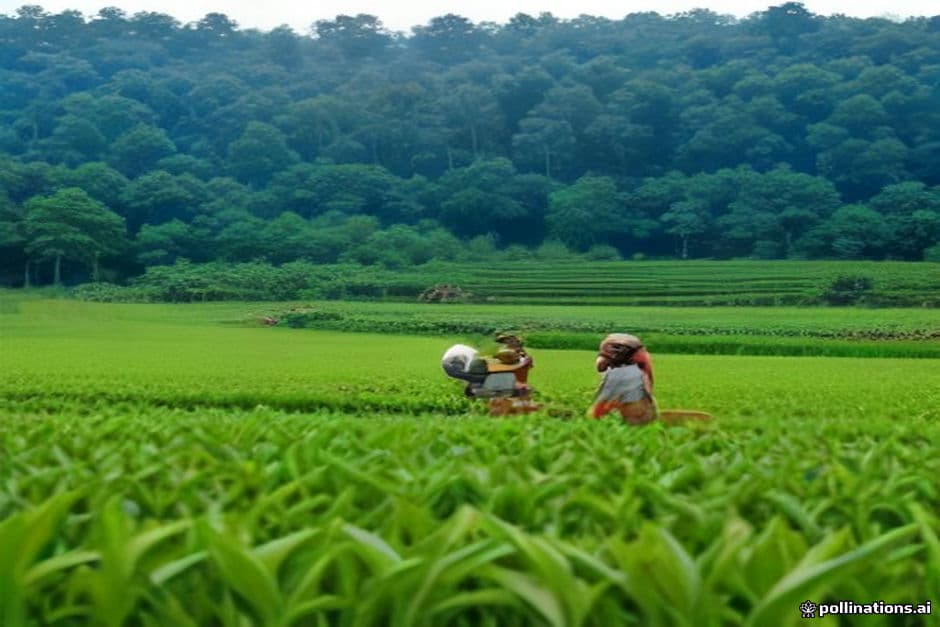
In 2023, Bali's sustainable agriculture sector has garnered over IDR 1.5 trillion in investment, marking a significant increase of 30% compared to the previous year. This trend underscores a broader shift among investors towards environmentally friendly practices, as they seek to capitalize on the growing global demand for sustainable food sources.
Investors are particularly drawn to Bali's unique agricultural practices that integrate traditional methods with modern technology. For instance, organic farming initiatives on the island have seen a 50% year-over-year growth in crop yields, driven by innovative techniques such as permaculture and aquaponics. These methods not only reduce environmental impact but also provide higher quality produce, appealing to health-conscious consumers.
Several startups have emerged in this space, such as Green Fields Bali, which specializes in organic fruit and vegetable production. The company reported a funding round of IDR 250 billion in early 2023, which will be used to expand its operations and reach international markets. This aligns with recent data showing that the global organic food market is projected to grow at a CAGR of 10% through 2027, further validating the investment potential in Bali.

The Bali Agricultural Agency has also noted that partnerships between local farmers and technology firms are becoming increasingly common. For example, AgriTech Bali, a tech startup, recently launched a platform connecting local farmers with consumers directly, thereby eliminating intermediaries and ensuring fair prices. This initiative has resulted in a 20% increase in farmers' income, demonstrating the positive economic impact of such investments.
Moreover, the Indonesian government has been proactive in supporting the sustainable agriculture sector. In early 2023, it announced a series of incentives aimed at promoting eco-friendly farming practices. These include tax breaks for companies investing in sustainable agriculture and grants for research and development in innovative farming techniques.
Investment in sustainable agriculture in Bali is not only about profitability but also about addressing pressing environmental concerns. The island faces challenges such as soil degradation and water scarcity, which threaten its agricultural output. By investing in sustainable practices, stakeholders aim to mitigate these issues while contributing to the global sustainability agenda.

Comparatively, other regions in Indonesia are also seeking to enhance their agricultural sectors, but Bali's unique positioning as a tourist destination adds an additional layer of complexity and opportunity. The integration of tourism with agriculture, known as agritourism, is becoming increasingly popular, allowing tourists to engage with local farms and learn about sustainable practices firsthand. This trend has further attracted investments, with agritourism ventures reporting a 40% increase in visitor numbers in 2023.
Looking ahead, experts predict that Bali's sustainable agriculture sector will continue to thrive, driven by both local and international demand for organic produce. The combination of innovative startups, government support, and a growing consumer base committed to sustainability is set to position Bali as a leader in this vital sector.



Read Also from Other Categories

Unveiling Bali's Art Scene: A New Chapter in Cultural Tourism
Bali's art scene is experiencing a transformative revival, attracting tourists and art enthusiasts alike. This cultural renaissance is reshaping visitor experiences and bolstering the local economy through innovative art initiatives and exhibitions.

Local Farmers Rally for Support Amid Bali's Agricultural Policy Shift
As Bali's provincial government implements new agricultural policies, local farmers express concerns over their livelihoods. The shift aims to modernize practices but raises questions about sustainability and community impact.

Canggu Residents Alarmed by Rising Incidents of Coastal Erosion
As Canggu's picturesque coastline faces increasing erosion, local residents and businesses express urgent concerns. The ongoing erosion threatens homes, livelihoods, and the area's renowned tourism appeal.

Community-Led Initiatives Foster Urban Infrastructure Growth in Denpasar
Residents of Denpasar are taking the lead in improving urban infrastructure through collaborative projects. Local government support amplifies these initiatives, aiming to enhance the city's livability amidst rapid urbanization.
Bali's New Career Hub: Empowering Local Job Seekers with Innovative Training
Bali's job seekers are gaining new opportunities through a strategic partnership between local businesses and vocational training centers. This initiative aims to equip the workforce with essential skills to meet the demands of a rapidly changing job market.

Cafes and Culture: The Role of Community Spaces in Bali's Recovery
As Bali emerges from the pandemic, community cafes are becoming vital hubs for cultural exchange and economic revitalization. These spaces are not only serving coffee but also fostering a sense of belonging and collaboration among locals and visitors alike.
Comments (0)
No comments yet. Be the first!