Increasing Boating Accidents Raise Safety Concerns for Bali's Waters
A recent uptick in boating accidents around Bali's coastline has prompted authorities to reassess safety measures. With the surge in tourist activities, local officials emphasize the need for enhanced regulations and awareness campaigns.

In Bali, a worrying trend has emerged as the number of boating accidents has significantly increased over the past year, raising safety concerns for both locals and tourists. Reports indicate that these incidents have surged by over 30% compared to the previous year, prompting local authorities to call for immediate action to improve maritime safety.
The Bali Search and Rescue Agency (Basarnas) reported that from January to September 2026, there were 47 recorded boating accidents, resulting in 15 fatalities and numerous injuries. These incidents often involve tourist boats, fishing vessels, and traditional wooden boats known as jukung, which are popular among local fishermen and tourists alike.
One such incident occurred near Nusa Penida, where a tourist boat capsized during a sudden storm, leading to the tragic loss of three lives. Survivors reported that the vessel was unprepared for the unexpected weather changes, highlighting the need for stricter safety protocols. "We must ensure that all boats are equipped with modern safety gear and that operators are trained to handle emergencies effectively," said a representative from Basarnas.
In response to the rising number of accidents, the Bali Provincial Government has announced plans to implement new regulations for boat operators. These will include mandatory safety briefings for passengers, regular inspections of vessels, and a requirement for all boats to carry life jackets and first aid kits. Governor Wayan Koster emphasized the importance of these measures during a recent press conference, stating, "The safety of our visitors and residents is our top priority, and we must take decisive action to prevent further tragedies on our waters."

Local tourism stakeholders have also expressed their concerns regarding the safety of maritime activities. Many have called for increased awareness campaigns targeting both tourists and boat operators. "Tourists often underestimate the dangers of the ocean, especially when they are unfamiliar with the conditions. We need to educate them about the risks and ensure that they choose reputable operators," said Nyoman Suastra, head of the Bali Tourism Board.
In addition to regulatory measures, authorities are planning to enhance monitoring of maritime activities. This includes increasing patrols in popular tourist areas such as Padang Bai and Sanur, where many boat tours operate. By bolstering presence on the water, officials hope to deter unsafe practices and ensure compliance with safety regulations.
The increase in boating accidents coincides with a significant rise in tourist arrivals in Bali, especially during the peak season. With international travel restrictions easing, more visitors are flocking to the island, resulting in an increased demand for maritime activities. This surge has put additional pressure on local resources and safety protocols, making it imperative for the government to act swiftly.
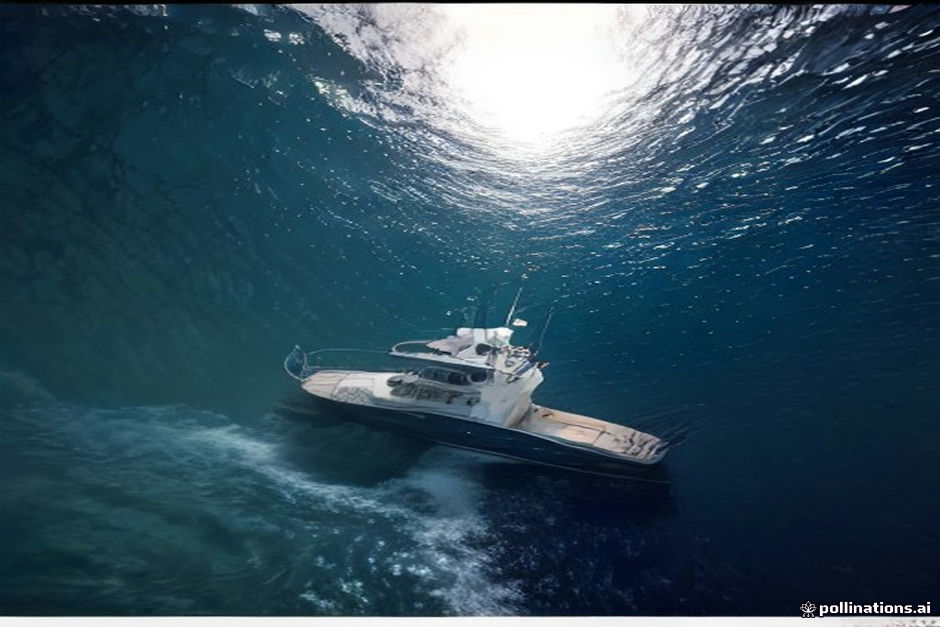
While the government’s response is welcomed, some locals remain skeptical about the effectiveness of these measures. Fishermen in Amed, a popular diving destination, express concerns over the adequacy of the proposed regulations. "We have seen too many accidents happen because of negligence. It is crucial that the government not only sets rules but also enforces them consistently," said Made, a local fisherman.
As Bali continues to attract tourists eager to explore its beautiful waters, the need for robust safety measures becomes increasingly apparent. Without prompt action, the island risks not only the safety of its visitors but also its reputation as a premier travel destination.
In conclusion, the rising incidents of boating accidents in Bali highlight a significant public safety concern that demands immediate attention. Through comprehensive regulations, awareness campaigns, and vigilant enforcement, local authorities can help ensure a safer maritime environment for both tourists and residents alike. The coming months will be critical as new policies are put into place and their effectiveness is evaluated.



Read Also from Other Categories

Exploring Bali's Thriving Community-Based Tourism Initiatives
Bali is witnessing a significant rise in community-based tourism initiatives that are enhancing local engagement and visitor experiences. This trend, driven by local artisans and sustainable practices, is reshaping the tourism landscape across the island.

New Regulations Seek to Transform Bali’s Public Service Delivery
Bali's provincial government is rolling out new regulations aimed at enhancing public service efficiency and accountability. With a focus on digital transformation, these changes are set to impact residents and businesses alike.

Bali's Insurance Tech Startups Attract Major Investments Amid Global Trends
Bali's insurance technology sector is rapidly gaining traction, with several startups securing significant funding in 2023. Investors are drawn to innovative solutions addressing local and global insurance challenges, signaling a shift in the investment landscape.

Community-Led Initiatives Revitalize Bali's Agricultural Heritage
In Bali, a resurgence in traditional farming practices is gaining traction, with over 40% of local farmers participating in community-led initiatives. These efforts aim to preserve the island's agricultural heritage while promoting sustainable practices and improving food security.

Training Programs in Ubud Revolutionize Bali's Job Market for Youth
In Ubud, innovative training programs are equipping local youth with vital skills needed for today's job market. With a focus on technology and creativity, these initiatives aim to bridge the employment gap and foster sustainable careers.

Local Governance Faces Challenges Amid Bali's Rapid Urban Development
Bali's local governments are grappling with the pressures of rapid urban development, as evidenced by a 35% increase in construction permits year-over-year. The struggle to balance growth with sustainability and community needs is becoming increasingly critical.
Comments (0)
No comments yet. Be the first!