Training Centers Flourish in Bali, Bridging Skills Gaps for Youth Employment
Bali sees a surge in vocational training centers aimed at enhancing job readiness among its youth. These initiatives are crucial for addressing the region's growing employment needs in a rapidly changing economic landscape.
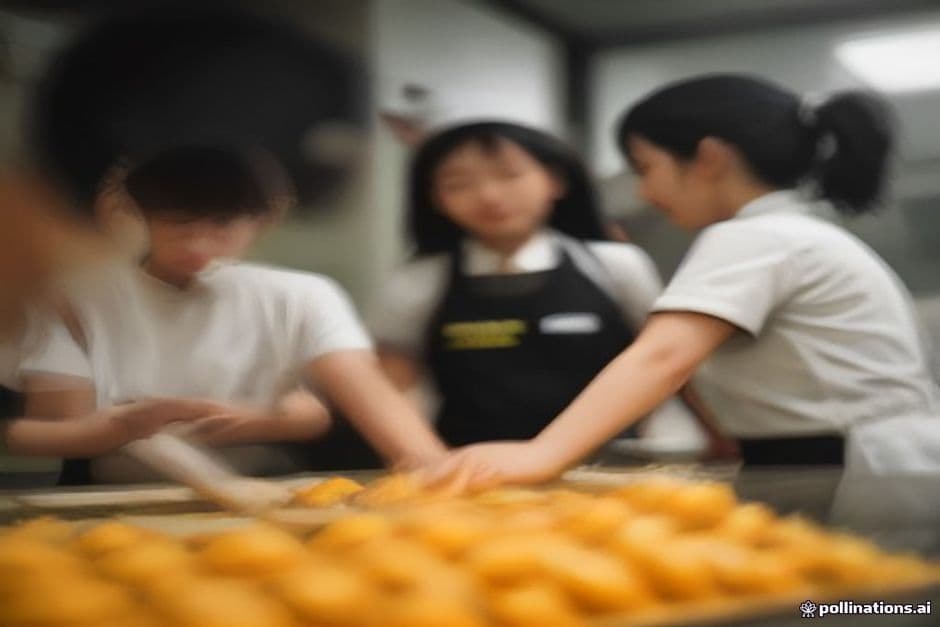
In the heart of Denpasar, the sound of hammers and drills echoes through the halls of the newly established Bali Vocational Training Center. This facility, located on Jalan Teuku Umar, is a beacon of hope for many young Balinese looking to enter the workforce. With the ongoing evolution of Bali's job market, the demand for skilled labor has never been higher.
The center offers a range of programs, from culinary arts to information technology, aiming to equip students with practical skills that align with industry needs. Students like 20-year-old Ayu, who enrolled in the culinary program, are eager to learn. "I want to work in a restaurant and make my family proud," she shares, her eyes bright with ambition.
As Bali's economy diversifies, the need for a skilled workforce is evident. The tourism sector, once the backbone of the island's economy, is now complemented by technology and creative industries. According to the Bali Regional Employment Office, job vacancies in these sectors have increased by 25% over the past year, highlighting the need for training programs that prepare young people for these opportunities.
In response, various organizations and government bodies are collaborating to create more vocational training facilities across Bali. The Ministry of Manpower has initiated partnerships with local businesses to ensure that the curriculum reflects the skills employers are seeking. This collaboration aims to create a direct pathway from training to employment.

One such initiative is the partnership between the Bali Manpower Office and several tech companies in Canggu, which has led to the creation of a coding boot camp designed for recent graduates. This program, launched in early 2026, provides participants with hands-on experience in software development, making them highly employable in a competitive job market.
The coding boot camp has seen an impressive enrollment rate, with over 150 students signing up in its first month alone. Local tech entrepreneur Made Wirya, who spearheads the initiative, emphasizes the importance of such programs: "We need to invest in our youth if we want to see Bali thrive in the digital age," he states passionately.
Despite these positive developments, challenges remain. Many young people in rural areas still struggle to access these training programs due to transportation issues and a lack of awareness. Organizations are advocating for mobile training units that can reach remote communities, bringing education directly to those who need it most.
In the northern regions of Bali, such as Buleleng, community leaders are pushing for government support to establish more training centers. "Our youth are talented, but they need guidance and resources to succeed," says local leader Nyoman Suka. The community is rallying together, organizing fundraising events to support the establishment of a new training facility that will focus on agriculture and sustainable practices.
The urgency of these initiatives is underscored by the recent report from the Bali Employment Agency, which indicated that youth unemployment in Bali has risen to 12%, significantly above the national average. This statistic has prompted local governments to prioritize job creation and skills training as part of their economic recovery plans.
As Bali continues to adapt to post-pandemic realities, the concerted efforts to bridge the skills gap are crucial. The combination of vocational training and partnerships with local industries is paving the way for a more skilled workforce, ready to meet the demands of a rapidly evolving job market.
The commitment to fostering youth employment is not just a response to current needs but a long-term investment in Bali's future. As new training centers open and existing programs expand, hope is rekindled among the island's young population, who are eager to contribute to Bali's growth.


Read Also from Other Categories

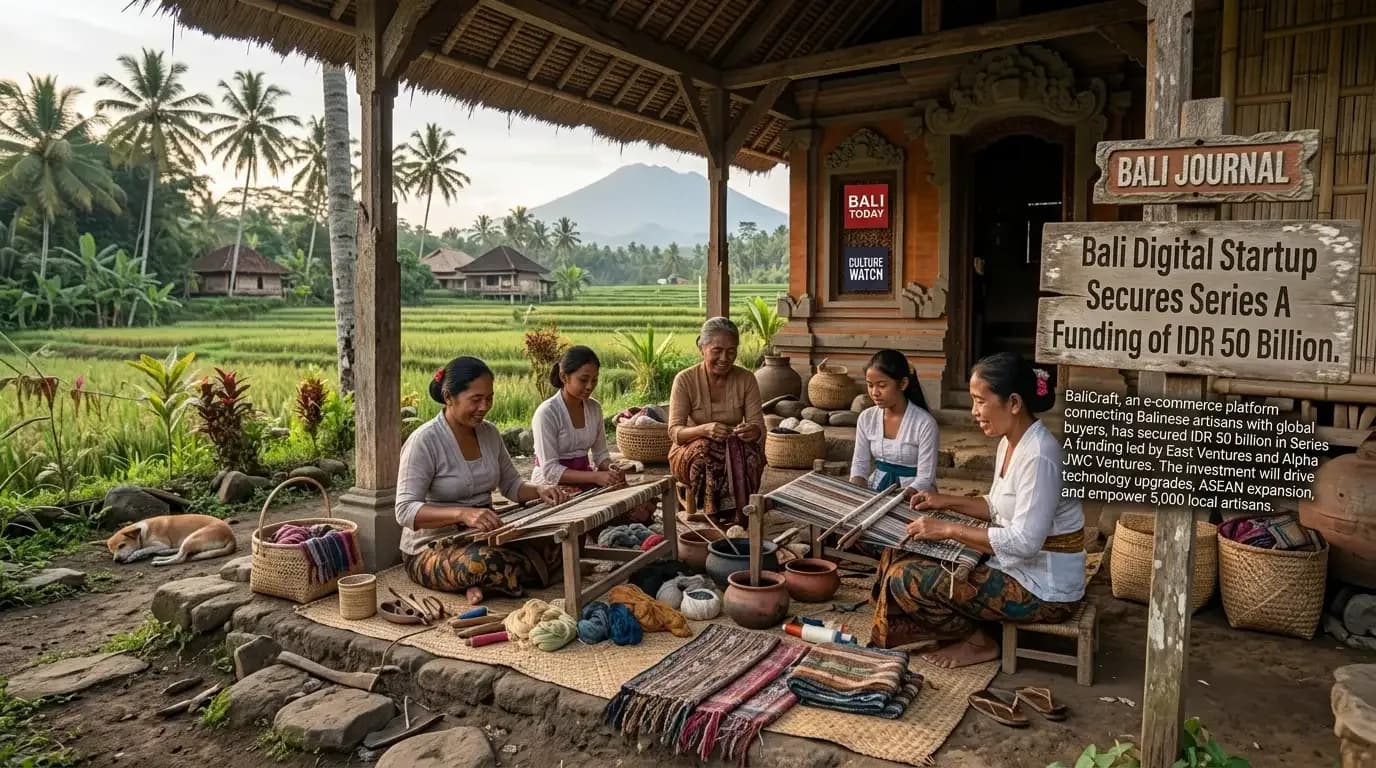
Reviving Bali's Traditional Arts: A Pathway to Sustainable Tourism Growth
Bali is witnessing a resurgence in traditional arts as local artisans embrace innovation to attract tourists. This revival not only supports cultural heritage but also contributes to the island's sustainable tourism goals.

Jakarta's New Policies Spark Controversy Over Bali's Agricultural Future
Recent agricultural policies from Jakarta are causing a stir in Bali, raising concerns among local farmers about their livelihoods. The provincial government is pushing back against regulations perceived as detrimental to traditional practices and food security.
Investors Eye Bali's Eco-Tourism Ventures Amid Rising Global Consciousness
As eco-tourism gains traction worldwide, Bali emerges as a hotspot for investments in sustainable travel ventures. Local entrepreneurs and international investors alike are capitalizing on the island's natural beauty and cultural richness to promote environmental responsibility.

Emergency Preparedness in Bali: A Community Focus Amid Natural Threats
As climate change intensifies weather patterns, Bali's communities are stepping up emergency preparedness measures. Local authorities emphasize the importance of readiness as the island faces increased risks from natural disasters.

Innovative Water Management Strategies Address Bali's Scarcity Crisis
Bali's growing water scarcity has prompted local governments and communities to implement innovative water management strategies. These initiatives aim to balance the needs of agriculture, tourism, and the local population while preserving the island's natural resources.
In Ubud, the Intersection of Art and Technology Sparks New Culture
As artists in Ubud embrace digital platforms, a cultural renaissance unfolds that blends traditional Balinese artistry with modern technology. This shift is redefining not only art consumption but also local community dynamics.
Comments (0)
No comments yet. Be the first!