Tourism Boom Fuels New Infrastructure Push in Southern Bali
As tourist arrivals surge by 30% this year, Bali's provincial government accelerates infrastructure projects to accommodate the influx. Key developments focus on transportation and public amenities, aiming to enhance visitor experience and local livelihoods.
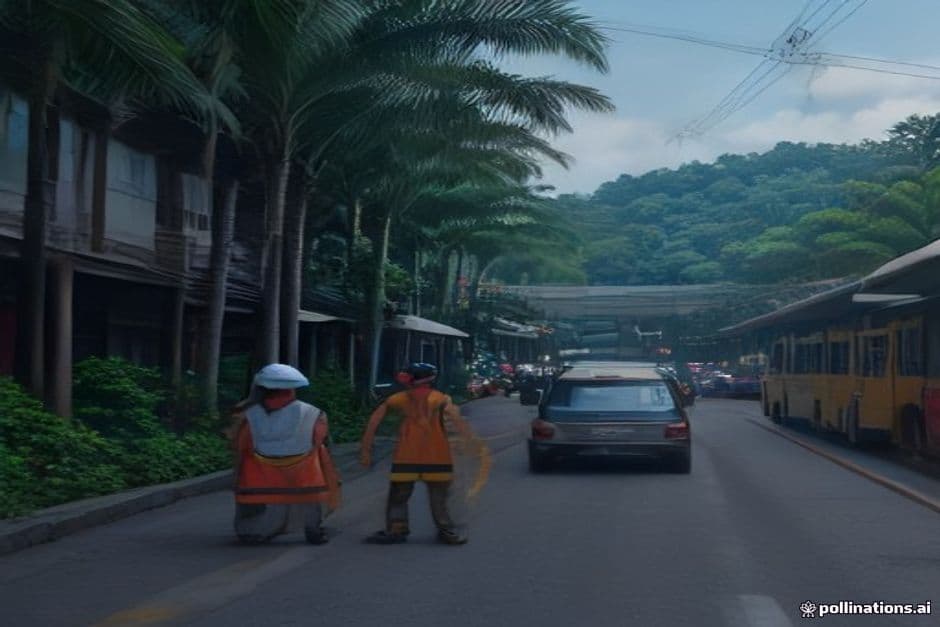
With a remarkable 30% increase in tourist arrivals in the first half of 2023, Bali's provincial government is ramping up infrastructure development to meet the growing demand. The influx of visitors, driven largely by international travelers returning post-pandemic, has prompted local authorities to prioritize transportation and public amenities, ensuring that both tourists and residents benefit from improved services.
According to data from the Central Statistics Agency (BPS), Bali welcomed over 3.5 million tourists in the first six months of the year, a substantial rise from 2.7 million during the same period last year. This surge is particularly significant when compared to the pre-pandemic figures of 4.2 million in 2019, indicating that Bali is regaining its status as a top tourist destination.
In response to this growth, Governor Wayan Koster announced a comprehensive infrastructure plan that allocates Rp 1.2 trillion (approximately USD 80 million) for transportation upgrades, including road expansions and the development of new public transport systems. The plan includes enhancements to Ngurah Rai International Airport, which is set to increase its capacity by 20% to accommodate the expected rise in passenger traffic.
Local authorities are also focusing on improving road connectivity between popular tourist destinations such as Ubud, Seminyak, and Nusa Dua. The proposed infrastructure upgrades aim to reduce travel times and alleviate congestion, which has become a pressing issue during peak tourist seasons. In particular, the notorious traffic bottleneck on Sunset Road has been identified as a priority area for intervention.

Additionally, the government is investing in public amenities such as new parks, rest areas, and sanitation facilities along key tourist routes. These improvements not only enhance the visitor experience but also aim to support local businesses by increasing foot traffic in surrounding areas.
The push for infrastructure development comes amid concerns over environmental sustainability, a critical consideration for Bali's long-term tourism strategy. The provincial government has committed to incorporating green building practices in all new projects, with an emphasis on minimizing ecological impact. This aligns with Governor Koster's vision for a sustainable tourism model that balances economic growth with environmental stewardship.
Moreover, in collaboration with the Ministry of Tourism and Creative Economy, Bali is exploring digital solutions to improve service delivery in the tourism sector. Initiatives include the implementation of smart traffic management systems and the use of mobile applications to provide real-time information to tourists regarding transportation options and local attractions.
As part of the ongoing effort to boost local economies, the government is also encouraging community involvement in tourism-related infrastructure projects. Local businesses are being invited to participate in the construction and maintenance of new facilities, fostering a sense of ownership and ensuring that benefits are distributed equitably among residents.

The anticipated infrastructure developments are expected to create approximately 5,000 jobs in the construction and service sectors, providing much-needed employment opportunities for the local population. This job creation is essential as Bali grapples with the lingering effects of the pandemic on its economy.
Looking ahead, the provincial government plans to conduct regular assessments of the infrastructure projects' impact on both tourism and local communities. This data-driven approach aims to ensure that investments are aligned with the evolving needs of both residents and visitors, maintaining Bali's appeal as a premier destination.
In conclusion, as Bali continues to recover from the pandemic, the provincial government's proactive stance on infrastructure development reflects a commitment to enhancing the visitor experience while supporting local livelihoods. With a clear focus on sustainable practices and community engagement, these initiatives are poised to shape the future of tourism in Bali for years to come.



Read Also from Other Categories

Ubud's Thriving Spiritual Tourism: A New Chapter in Visitor Engagement
Ubud is emerging as a key player in Bali's spiritual tourism scene, attracting visitors seeking authentic experiences. With a focus on local traditions and wellness, the area is redefining how tourists engage with Balinese culture.

Emerging Trends in Bali's Investment Landscape: The Rise of Impact Startups
Bali is witnessing a significant shift in investment trends as impact startups gain traction. With a focus on social and environmental benefits, these ventures are attracting both local and international funding in unprecedented ways.

Unexpected Water Supply Crisis Hits Bali Amid Rising Demand and Climate Change
Bali faces a critical water supply shortage, with demand increasing by 25% year-over-year. Local officials are mobilizing to address the crisis as climate change exacerbates existing challenges.
Local Farmers Transition to Agro-Tourism Amidst Climate Challenges
As climate change impacts agriculture, Bali's farmers are embracing agro-tourism to sustain their livelihoods. This shift not only preserves local culture but also enhances community engagement and economic resilience.

Job Opportunities in Bali's Agriculture Sector: A Path to Sustainability
Bali's agriculture sector is undergoing a transformation, presenting new job opportunities to locals. With a focus on sustainable practices, training programs are paving the way for a greener future in employment.
Rethinking Bali's Digital Nomad Policies: A Call for Sustainable Integration
Bali's digital nomad community has surged by 35% in the past year, prompting discussions on the need for more structured policies. Experts argue that without strategic planning, the influx could strain local resources and cultural integrity.
Comments (0)
No comments yet. Be the first!