Tourism and Tradition: Bali's Artisans Struggle for Survival
As Bali's tourism industry rebounds, local artisans face challenges in preserving their craft. This tension between economic revival and cultural integrity raises critical questions about the future of Balinese artistry.
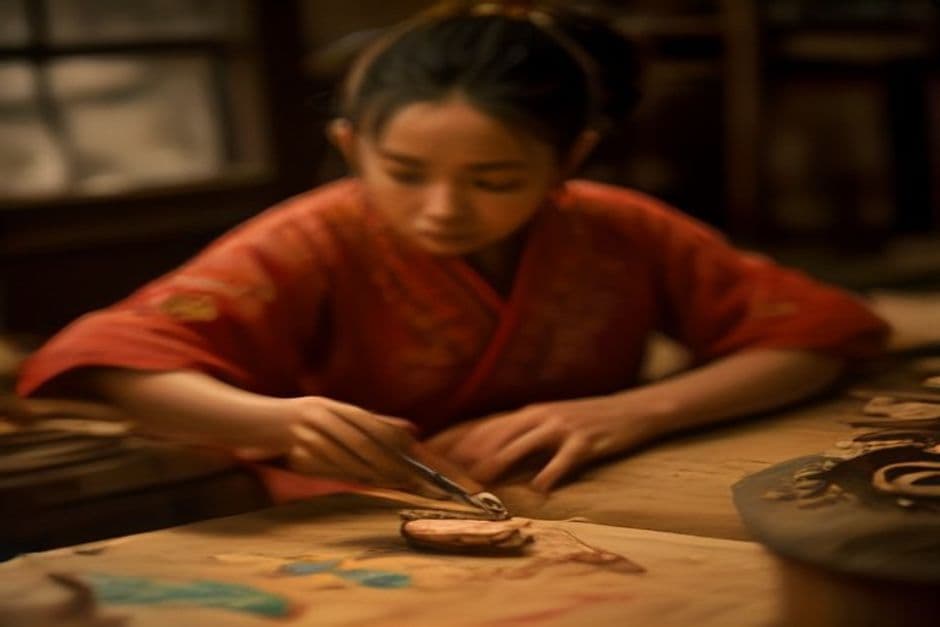
As Bali's tourism sector experiences a resurgence post-pandemic, local artisans find themselves caught in a precarious balance between economic opportunity and cultural preservation. The influx of tourists, while beneficial for the overall economy, poses significant challenges for traditional craftspeople who fear their heritage is at risk of being commercialized beyond recognition.
The island, known for its rich artistic traditions, ranging from intricate wood carvings to beautiful textiles, has seen a dramatic increase in demand for authentic local products. According to the Bali Tourism Board, visitor numbers have surged by over 150% in the past year, prompting a renewed interest in Balinese culture. However, many artisans report that this newfound interest often leads to the commodification of their work, undermining the authenticity that originally attracted tourists.
Local woodcarver Made Surya, who has been practicing his craft in Ubud for over 20 years, expressed concern about the changing landscape. "As more tourists arrive, there is pressure to produce items that sell quickly rather than those that reflect our traditions and stories," Surya stated. He highlighted that many younger artisans are turning to mass production methods to meet the demands of the tourism market, often sacrificing quality and cultural significance.
This shift is not limited to woodcraft; traditional textile weaving, particularly in villages like Tenganan and Klungkung, is also facing challenges. Weavers are struggling to compete with cheaper, machine-made fabrics that flood the market, leading to a decline in the demand for handwoven products. "Our art is becoming less valued as tourists opt for lower prices over authenticity," said Nyoman Sari, a weaver from Tenganan.

Government initiatives aimed at promoting Balinese culture and craftsmanship have emerged in response to these concerns. The Bali Provincial Government has launched programs to support artisans by providing grants for training and marketing assistance. Additionally, initiatives like the Bali Crafts Festival aim to showcase traditional arts and crafts, offering artisans a platform to connect directly with consumers. Yet, many artisans remain skeptical about the effectiveness of these efforts.
Moreover, the impact of social media on consumer behavior cannot be overlooked. Influencers and content creators often showcase Balinese products, but this can lead to unrealistic expectations about the availability and pricing of authentic crafts. The portrayal of Bali as a paradise for superficial experiences can further alienate artisans from the very tourists drawn to their culture.
As Bali continues to attract international visitors, the question arises: how can the island balance the needs of its economy with the preservation of its cultural heritage? Experts suggest that fostering a deeper understanding of Balinese art and its significance among tourists is crucial. Educational programs that inform visitors about the stories and meanings behind traditional crafts could cultivate appreciation and respect for local artisans.

Furthermore, promoting fair trade practices can ensure that artisans receive fair compensation for their work, allowing them to sustain their livelihoods while maintaining their cultural practices. Organizations like the Bali Artisan Alliance advocate for ethical tourism practices that prioritize the well-being of local communities and their crafts.
As the island navigates this complex landscape, the voices of artisans must be amplified in discussions about tourism policy. Their insights and experiences are vital in crafting solutions that respect and preserve Balinese culture amid economic pressures.
The ongoing dialogue between tourism and tradition presents both challenges and opportunities for Bali's artisans. Striking a balance will require collaboration between government, businesses, and the local community to ensure that the island's rich cultural heritage thrives alongside its booming tourism industry.

Read Also from Other Categories
Gentrification in Canggu: The Cost of Bali's Tourism Boom
As Canggu's popularity surges, local residents face the challenges of rising costs and cultural shifts. The influx of tourists is transforming the neighborhood, sparking debates on sustainability and authenticity.
Jakarta's Policy Changes Impact Bali's Infrastructure Development Plans
Recent policy adjustments from Jakarta are reshaping Bali's infrastructure initiatives. Local leaders are strategizing to align provincial needs with national directives to enhance public services and connectivity.

Emerging Investment Opportunities in Bali's Agricultural Sector
Bali's agricultural sector is witnessing a resurgence as investors turn to sustainable farming practices and agritech innovations. This trend highlights the potential for increased economic diversification and food security on the island.

Emergency Services Gear Up for Potential Tsunami Risks in Bali
As seismic activity increases near Bali, local authorities prepare for potential tsunami threats. Emergency drills and safety measures are being reinforced to protect both residents and tourists in vulnerable coastal areas.

Bali's Urban Development: A Push Towards Sustainable Infrastructure
Bali's local government is investing IDR 500 billion to enhance urban infrastructure while promoting sustainability. This initiative aims to balance modernization with cultural preservation across the island.

Job Opportunities Thrive as Bali Upskills Workforce through Partnerships
Bali is witnessing a surge in employment opportunities fueled by strategic partnerships between educational institutions and local businesses. Enhanced training programs are equipping the workforce with essential skills to meet the evolving demands of various sectors.
Comments (0)
No comments yet. Be the first!