Surge in Electrical Fires Threatens Bali's Homes and Businesses
As Bali experiences a rise in electrical fires, local authorities are ramping up safety campaigns. Residents and business owners are urged to take preventive measures amid alarming statistics.

On a warm evening in Seminyak, the faint smell of burnt wires filled the air as local firefighters rushed to extinguish a blaze engulfing a popular beachfront villa. Flames licked the roof as patrons at nearby bars looked on, some recording the chaos on their phones. This incident, which left the villa severely damaged but fortunately caused no injuries, is part of a worrying trend in Bali where the number of electrical fires has been steadily increasing.
In the past six months, Bali has reported over 50 electrical fire incidents, with the provincial fire department attributing this rise to outdated wiring and inadequate safety measures in many establishments. "Most of these fires could have been prevented with proper maintenance and installation of electrical systems," said I Made Suardana, the head of the Bali Fire Department. "We are seeing a concerning pattern, especially in older buildings that were not built to current safety standards."
The problem is exacerbated by the island's booming tourism industry, which has led to an increase in the number of temporary rentals and hotels, many of which are not equipped with modern electrical infrastructure. In 2025 alone, Bali welcomed over six million tourists, significantly raising the demand for quick renovations and expansions in hospitality venues. However, this rush often overlooks critical safety regulations.
Local business owners, like Nyoman, who runs a small cafe in Ubud, express their concerns. "We are trying to keep up with the demands of tourists, but safety should always come first. I recently hired an electrician to check my wiring after hearing about the fires. It's an expense, but necessary for peace of mind," she said.

The Bali Provincial Government has initiated a campaign to address this surge in electrical fires. They are collaborating with the Ministry of Energy and Mineral Resources to conduct inspections and provide safety training to business owners and residents. The goal is to educate the community about fire hazards and the importance of regular electrical system checks.
During a recent workshop in Denpasar, officials demonstrated how to identify potential fire hazards in homes and businesses. Participants learned about the significance of using certified electricians and adhering to safety codes. "It's not just about compliance; it's about protecting lives and properties," stressed I Gusti Agung Arya, a representative from the Ministry.
Despite these efforts, many residents remain skeptical. Some claim that the government’s response lacks urgency. Wayan, a local resident whose home narrowly escaped an electrical fire last month, expressed frustration. "We hear about campaigns, but we need more action. How many more fires will it take for real change?"

As Bali continues to grow as a prime tourist destination, the balance between development and safety becomes more critical. The local government faces the challenge of ensuring that safety regulations keep pace with the rapid expansion of the tourism sector. Officials are calling for stricter enforcement of building codes and regular inspections of electrical systems, especially in older properties.
Looking ahead, stakeholders in Bali's tourism and residential sectors are hopeful that increased awareness and education will reduce the risk of electrical fires. The Bali Fire Department plans to launch a series of community safety events aimed at promoting awareness about fire hazards in the coming months.
As this summer approaches, the heat of the season will bring increased visitor traffic, and with it, the potential for more electrical fires if preventative measures are not taken seriously. Everyone from homeowners to business operators is being urged to act now to ensure safety is not an afterthought but a priority.



Read Also from Other Categories

Reviving Bali's Traditional Arts: A Pathway to Sustainable Tourism Growth
Bali is witnessing a resurgence in traditional arts as local artisans embrace innovation to attract tourists. This revival not only supports cultural heritage but also contributes to the island's sustainable tourism goals.

Jakarta's New Policies Spark Controversy Over Bali's Agricultural Future
Recent agricultural policies from Jakarta are causing a stir in Bali, raising concerns among local farmers about their livelihoods. The provincial government is pushing back against regulations perceived as detrimental to traditional practices and food security.
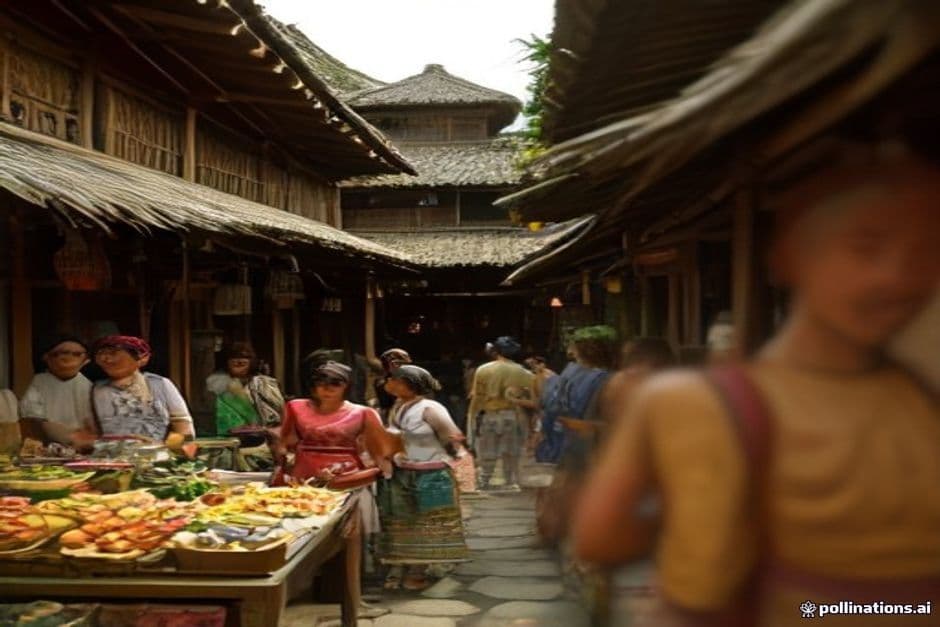
Investors Eye Bali's Eco-Tourism Ventures Amid Rising Global Consciousness
As eco-tourism gains traction worldwide, Bali emerges as a hotspot for investments in sustainable travel ventures. Local entrepreneurs and international investors alike are capitalizing on the island's natural beauty and cultural richness to promote environmental responsibility.

Innovative Water Management Strategies Address Bali's Scarcity Crisis
Bali's growing water scarcity has prompted local governments and communities to implement innovative water management strategies. These initiatives aim to balance the needs of agriculture, tourism, and the local population while preserving the island's natural resources.
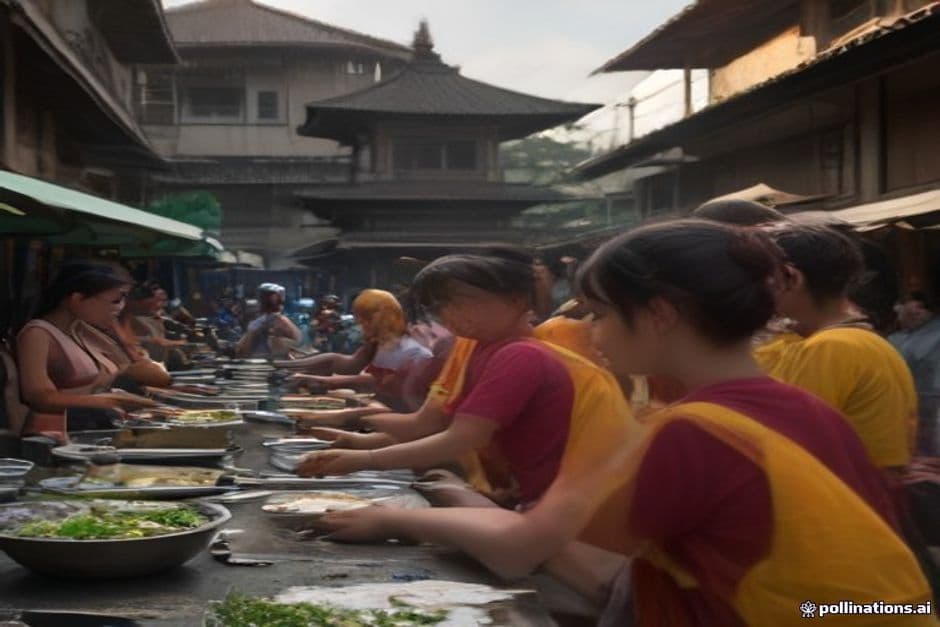
Skill Development Initiatives Spark Job Growth Across Bali's Industries
Bali is witnessing a surge in job training programs aimed at enhancing workforce skills. Local businesses and educational institutions are collaborating to address employment challenges and meet industry demands.

In Ubud, the Intersection of Art and Technology Sparks New Culture
As artists in Ubud embrace digital platforms, a cultural renaissance unfolds that blends traditional Balinese artistry with modern technology. This shift is redefining not only art consumption but also local community dynamics.
Comments (0)
No comments yet. Be the first!