Reviving Balinese Language: Community Initiatives Champion Local Dialects
In Bali, local communities are uniting to preserve and promote the Balinese language, vital for cultural identity. Educational programs and workshops aim to engage younger generations and ensure the dialect thrives amid modernization.
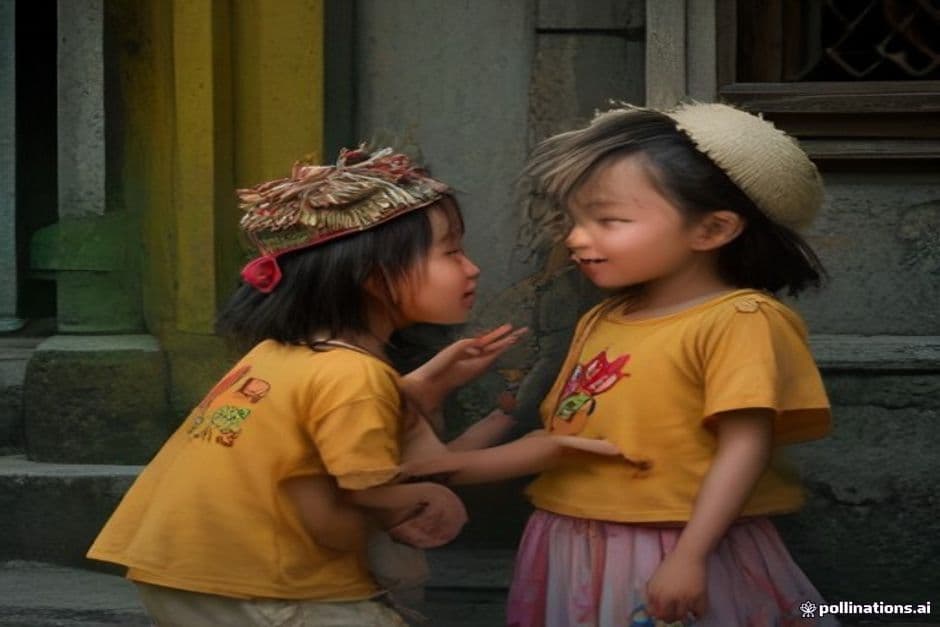
On a sun-drenched afternoon in the heart of Denpasar, the clamor of children’s laughter fills the air as they gather around a colorful mural depicting local folklore. This vibrant scene is part of an initiative aimed at reviving the Balinese language, a crucial aspect of the island’s cultural identity that faces the threat of extinction. Parents and educators are teaming up to ensure that the next generation embraces their linguistic heritage, with workshops and community classes springing up across neighborhoods.
"If we don't teach our children the Balinese language, it will fade away like many other languages around the world," says Nyoman Adi, a local schoolteacher who leads language workshops at the Balai Budaya Arts Center. His passion resonates with many in the community, where there is a growing awareness of the importance of preserving their native tongue. With the prevalence of English and Indonesian in everyday life, many children are losing touch with their roots.
The Balinese language, known as 'Basa Bali', is not just a means of communication; it embodies the island's unique customs and traditions. To combat this decline, community leaders, supported by the Denpasar Education Office, are organizing classes that incorporate traditional stories, music, and dance, making learning engaging and fun for young learners.
In Tabanan, a small village nestled between rice terraces, a grassroots movement has taken shape. Residents have established a 'Basa Bali Club', where participants gather to read Balinese literature and practice speaking. “We share stories from our grandparents, and it’s wonderful to see the kids so interested," explains Made Sari, one of the club's founders. The club has become a hub of cultural exchange, where local elders pass down stories that are steeped in history and tradition.

On a recent Saturday, the club hosted a storytelling event that attracted families from nearby villages. The air was thick with the scent of traditional Balinese dishes as parents prepared offerings for the event. Children, dressed in traditional attire, eagerly took turns reciting tales from the Balinese pantheon, their voices rising in a chorus of youthful enthusiasm. This gathering not only fosters language skills but also reinforces a sense of community and belonging.
The local government has also recognized the significance of these initiatives. In a recent statement, the Head of the Cultural Affairs Department in Denpasar remarked, “We are committed to supporting programs that promote the Balinese language. It is vital for our identity and cultural continuity.” The department is exploring funding options to expand language programs in schools and community centers, highlighting the collective effort to breathe new life into the Balinese dialect.
Moreover, social media has become an unexpected ally in this cultural revival. Local influencers are using platforms like Instagram and TikTok to share entertaining content in Basa Bali, reaching younger audiences in a familiar digital space. This modern twist on language learning is proving effective, as videos of traditional Balinese songs and dances are garnering thousands of views, encouraging more youth to engage with their heritage.
As these initiatives gain momentum, the community is witnessing a shift in attitudes towards their language. The younger generation is beginning to understand that knowing their native dialect is not just about communication; it is about pride in their identity. “I feel proud when I speak Balinese,” says 12-year-old Putu, who attends the workshops. “It’s like sharing a part of myself with others.”
Looking ahead, the challenges remain. The pressures of globalization and urbanization continue to loom large, and many families still prioritize English and Indonesian in their everyday lives. However, the groundwork laid by community leaders and educators is promising. With continued support and engagement, the Balinese language may not only survive but thrive, ensuring that the island's rich cultural tapestry remains vibrant for future generations.
As the sun sets over the rice paddies, casting a golden hue over the landscape, the sounds of children laughing and speaking in Basa Bali echo through the village. It is a reminder that language is not just words; it is a living, breathing entity that connects people to their past, present, and future.

Read Also from Other Categories

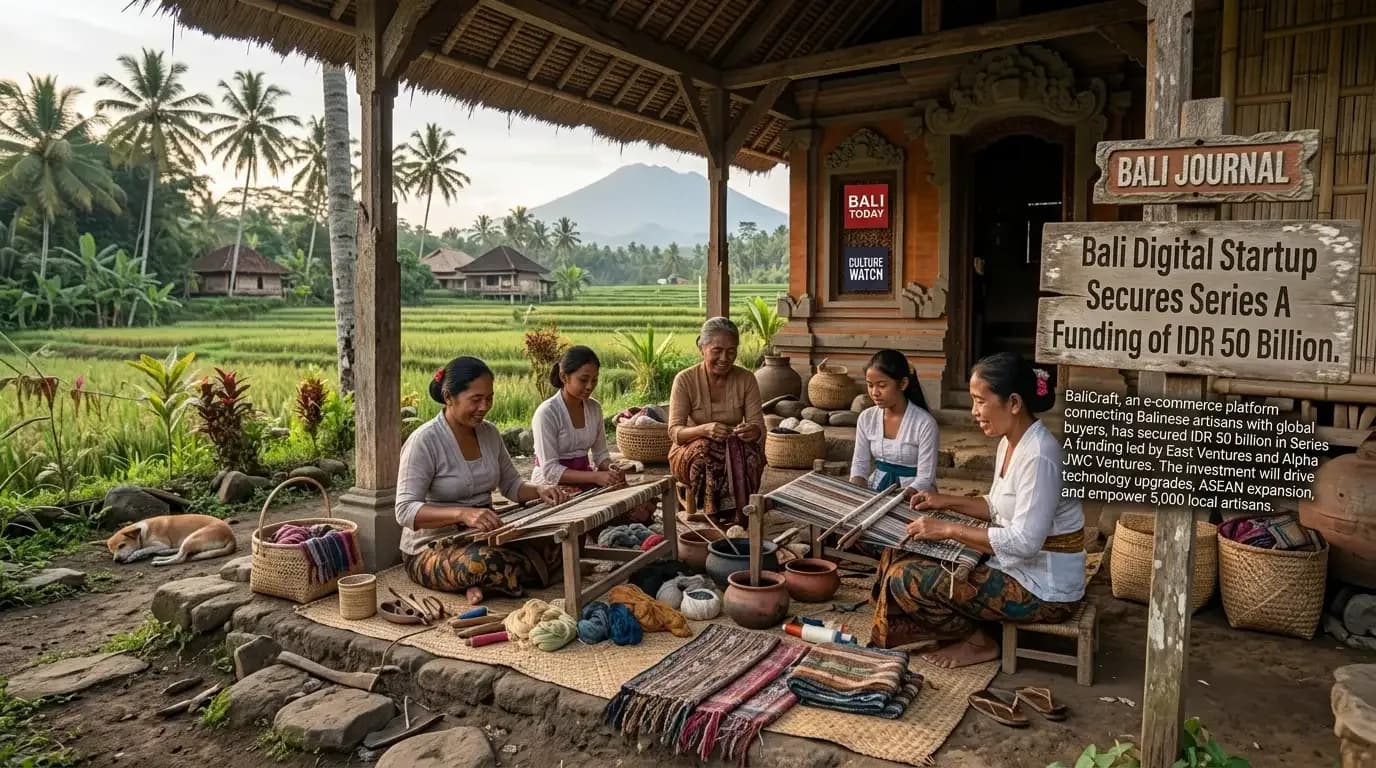
Reviving Bali's Traditional Arts: A Pathway to Sustainable Tourism Growth
Bali is witnessing a resurgence in traditional arts as local artisans embrace innovation to attract tourists. This revival not only supports cultural heritage but also contributes to the island's sustainable tourism goals.

Jakarta's New Policies Spark Controversy Over Bali's Agricultural Future
Recent agricultural policies from Jakarta are causing a stir in Bali, raising concerns among local farmers about their livelihoods. The provincial government is pushing back against regulations perceived as detrimental to traditional practices and food security.
Investors Eye Bali's Eco-Tourism Ventures Amid Rising Global Consciousness
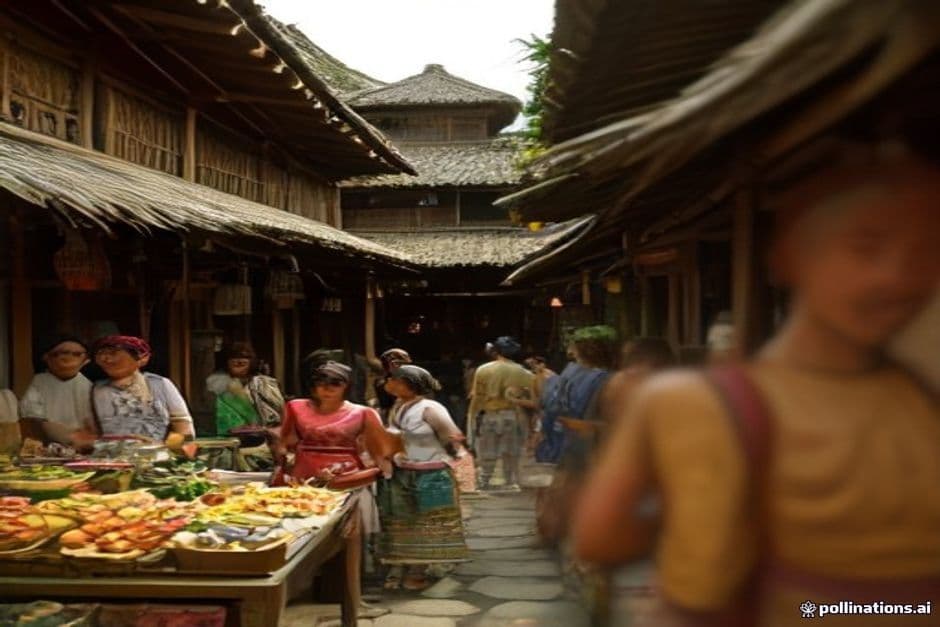
As eco-tourism gains traction worldwide, Bali emerges as a hotspot for investments in sustainable travel ventures. Local entrepreneurs and international investors alike are capitalizing on the island's natural beauty and cultural richness to promote environmental responsibility.

Emergency Preparedness in Bali: A Community Focus Amid Natural Threats
As climate change intensifies weather patterns, Bali's communities are stepping up emergency preparedness measures. Local authorities emphasize the importance of readiness as the island faces increased risks from natural disasters.
Skill Development Initiatives Spark Job Growth Across Bali's Industries
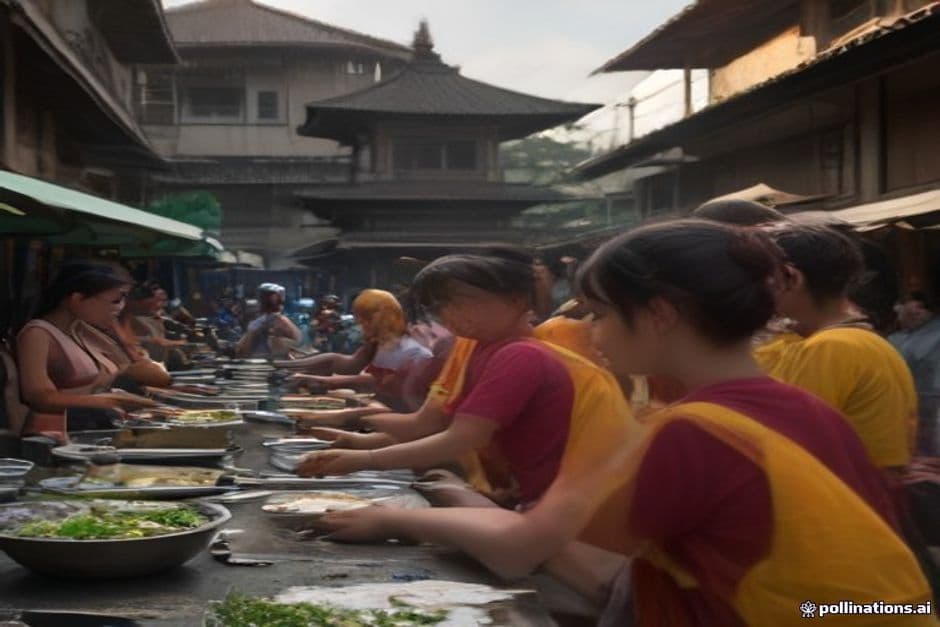
Bali is witnessing a surge in job training programs aimed at enhancing workforce skills. Local businesses and educational institutions are collaborating to address employment challenges and meet industry demands.
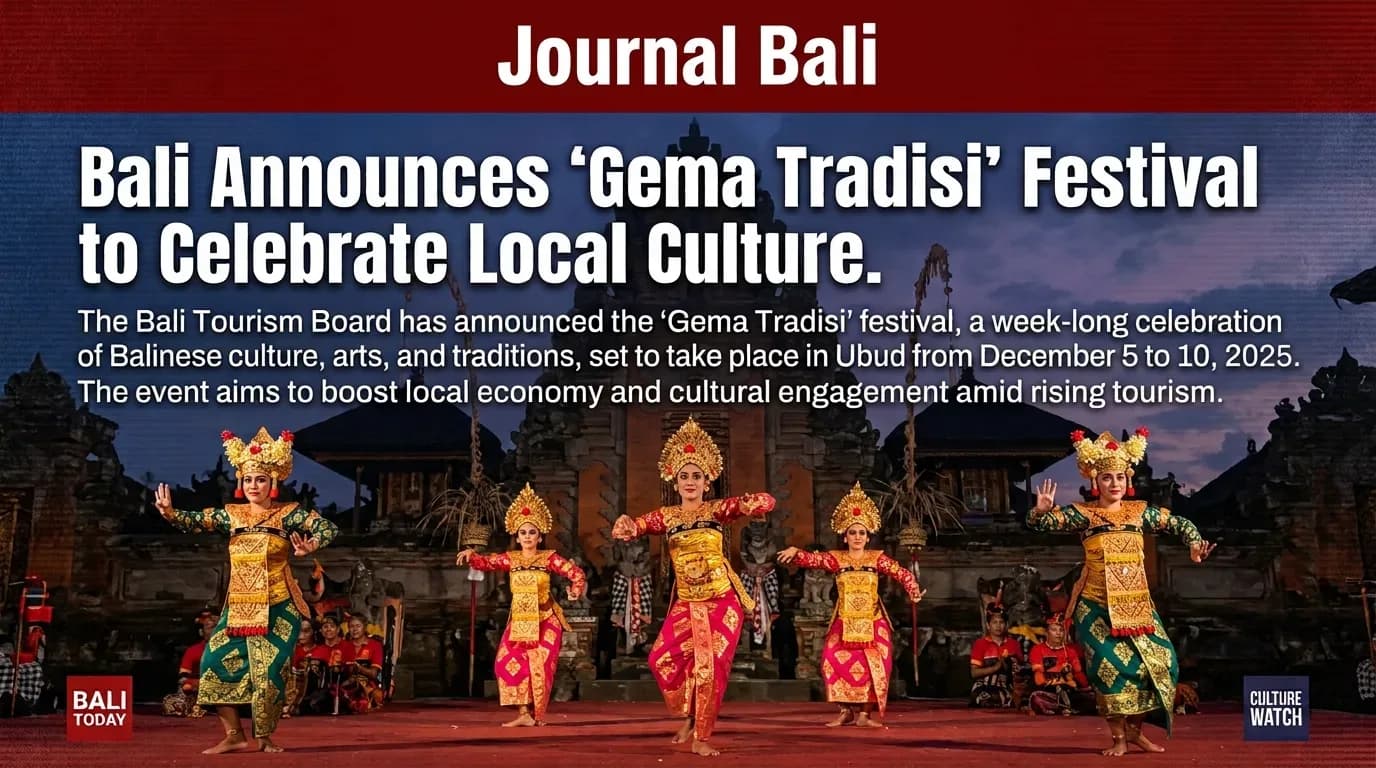
In Ubud, the Intersection of Art and Technology Sparks New Culture
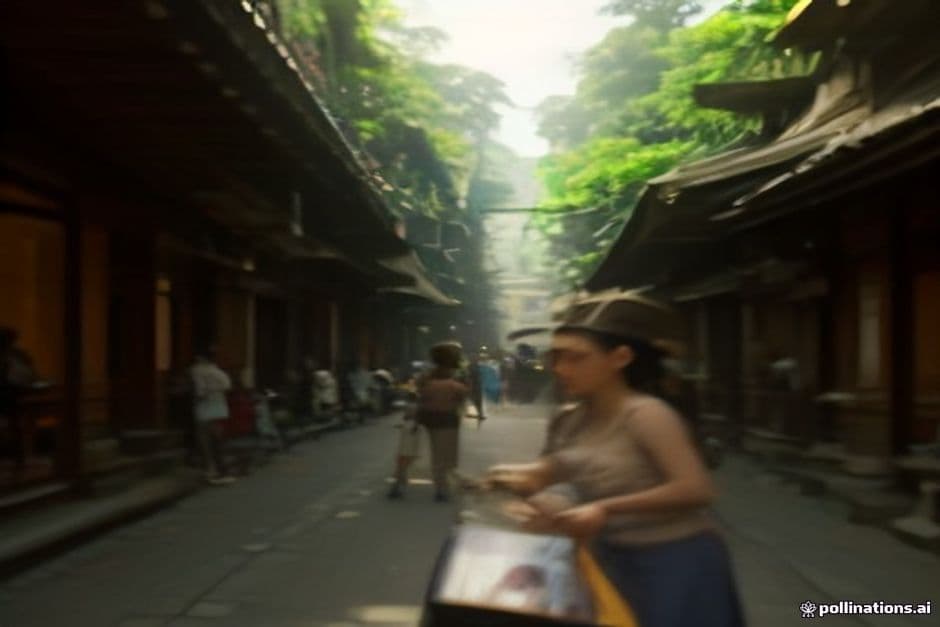
As artists in Ubud embrace digital platforms, a cultural renaissance unfolds that blends traditional Balinese artistry with modern technology. This shift is redefining not only art consumption but also local community dynamics.
Comments (0)
No comments yet. Be the first!