Revitalizing Nusa Dua: A New Era of Cultural Tourism and Visitor Experience
Nusa Dua is undergoing a transformation as cultural tourism takes center stage, attracting a diverse range of visitors. This shift not only enhances the local economy but also enriches the visitor experience through authentic cultural engagements.

The sun dipped below the horizon at Nusa Dua, casting a golden hue across the tranquil waves. A group of visitors, their laughter mingling with the sound of the surf, strolled along the beach, their paths illuminated by the soft glow of lanterns lining the shore. This picturesque scene is now emblematic of a burgeoning trend in Bali’s tourism sector: the rise of cultural tourism, particularly in Nusa Dua, a destination traditionally known for its luxurious resorts and pristine beaches.
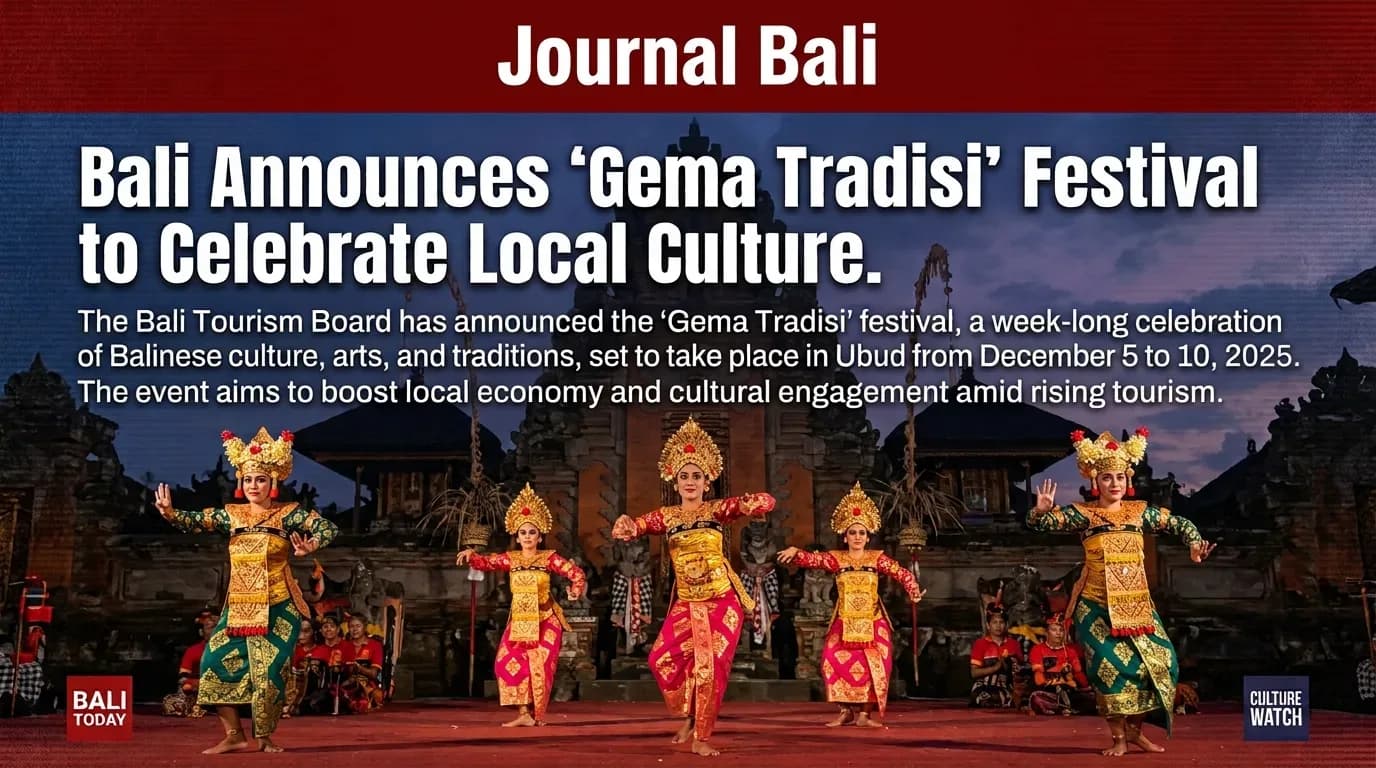
As Bali continues to recover from the impacts of the global pandemic, Nusa Dua has emerged as a focal point for innovative cultural tourism experiences. The area, known for its upscale hotels and beautiful landscapes, is now embracing its rich heritage to attract a diverse array of tourists. The Nusa Dua Festival, held annually, showcases local art, dance, and culinary traditions, drawing both international visitors and local residents eager to celebrate Bali’s cultural tapestry.
“We want to create an experience that goes beyond just sunbathing on the beach,” said Made Sudana, Head of the Nusa Dua Cultural Tourism Board. “Our aim is to immerse visitors in our traditions, allowing them to connect with the local way of life.” This sentiment echoes throughout the region as local artisans and performers are increasingly featured in events and activities, providing tourists with authentic interactions that enrich their understanding of Balinese culture.
One of the standout features of this cultural shift is the introduction of traditional cooking classes offered by local chefs. Nestled in the heart of Nusa Dua, these workshops invite visitors to learn the secrets of Balinese cuisine. Participants chop fresh ingredients sourced from local markets, while the aroma of spices wafts through the air, creating an engaging and sensory experience. “It’s not just about the food; it’s about the stories behind each dish,” explained Wayan, a local chef who leads these classes.

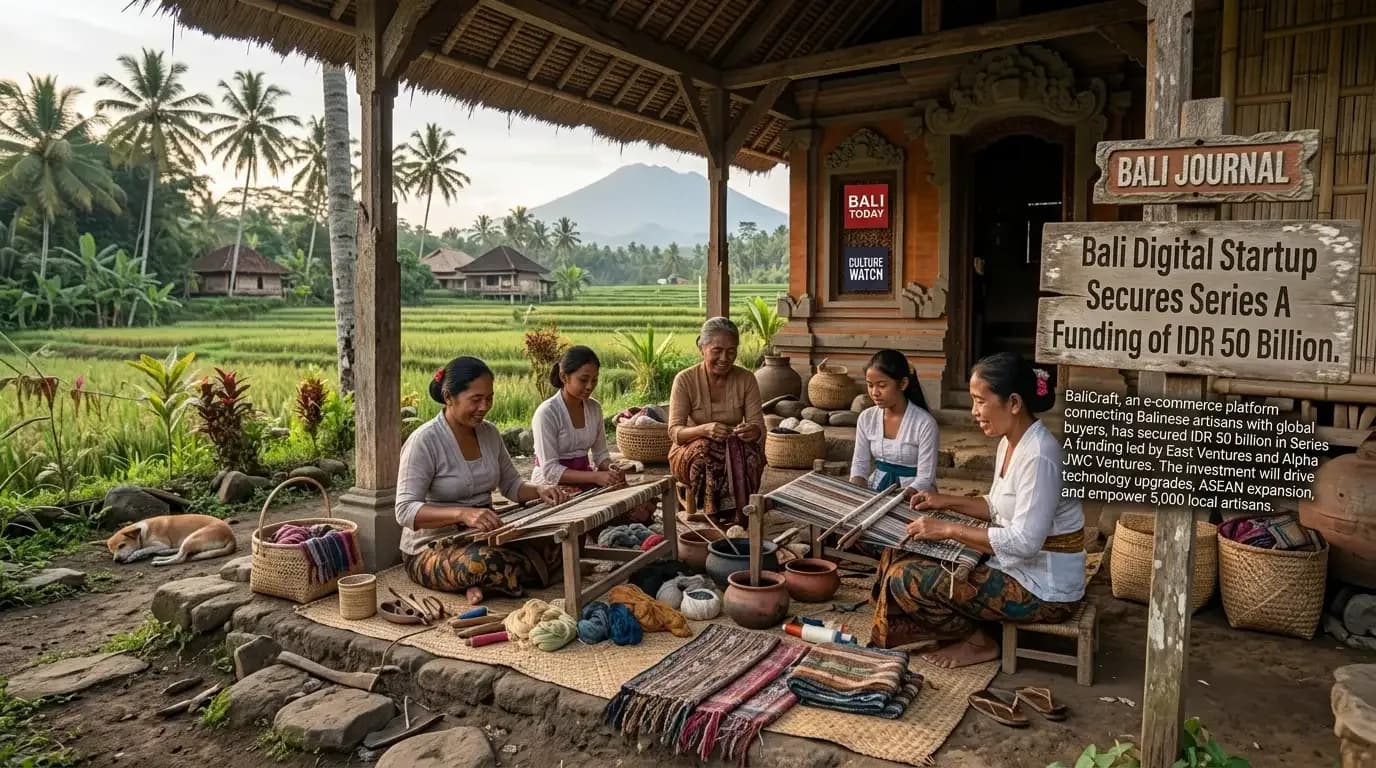
In addition to culinary experiences, the local community has enhanced its offerings with art workshops and traditional dance performances. Visitors can now take part in painting classes that utilize traditional Balinese techniques, or join in on gamelan music sessions, where they learn to play instruments that have been part of Balinese culture for centuries. This hands-on approach allows tourists to leave with not only memories but tangible skills and a deeper appreciation for the island’s rich artistic heritage.
Furthermore, the integration of cultural tourism is proving beneficial for the local economy. According to recent reports, Nusa Dua's hotels have seen an increase in occupancy rates, with many establishments adapting their services to cater to the growing demand for cultural experiences. The Grand Hyatt Bali, for instance, has implemented cultural nights where guests can enjoy traditional Balinese performances while dining on local cuisine.
“By offering these unique cultural experiences, we’re not only attracting more visitors but also supporting our local artisans and businesses,” said Indra Prabawa, a hotel manager in Nusa Dua. “It’s a win-win situation for everyone involved.” This sentiment is echoed by local business owners who have seen an uptick in customers interested in purchasing handmade crafts and artworks that reflect Bali’s diverse culture.
As the cultural landscape of Nusa Dua evolves, local authorities are also investing in infrastructure to support this shift. Plans for new cultural centers and art galleries are underway, aimed at providing more spaces for exhibitions and performances. The development of these facilities is expected to attract even more visitors eager to engage with Bali’s artistic offerings.

However, this cultural renaissance is not without its challenges. Balancing the influx of tourists with the preservation of cultural integrity remains a priority for local leaders. “We must ensure that as we promote tourism, we also protect our cultural identity,” emphasized Sudana. This careful consideration is vital in maintaining the authenticity of the experiences offered and ensuring that the local community benefits from the tourism boom.
Looking ahead, Nusa Dua stands at the forefront of a new era in Bali's tourism industry. As the demand for authentic cultural experiences continues to rise, the area is poised to become a beacon of cultural tourism. Visitors can expect not just a vacation, but a journey into the heart of Balinese traditions, offering a deeper connection to the island and its people.
In conclusion, Nusa Dua’s transformation into a cultural tourism hub reflects a broader trend within Bali, as destinations strive to offer more than just scenic beauty. With ongoing support from local authorities and the community, this idyllic coastal area has the potential to redefine what it means to experience Bali, creating lasting memories for visitors and fostering pride among locals.

Read Also from Other Categories

Jakarta's New Policies Spark Controversy Over Bali's Agricultural Future
Recent agricultural policies from Jakarta are causing a stir in Bali, raising concerns among local farmers about their livelihoods. The provincial government is pushing back against regulations perceived as detrimental to traditional practices and food security.
Investors Eye Bali's Eco-Tourism Ventures Amid Rising Global Consciousness
As eco-tourism gains traction worldwide, Bali emerges as a hotspot for investments in sustainable travel ventures. Local entrepreneurs and international investors alike are capitalizing on the island's natural beauty and cultural richness to promote environmental responsibility.

Emergency Preparedness in Bali: A Community Focus Amid Natural Threats
As climate change intensifies weather patterns, Bali's communities are stepping up emergency preparedness measures. Local authorities emphasize the importance of readiness as the island faces increased risks from natural disasters.

Innovative Water Management Strategies Address Bali's Scarcity Crisis
Bali's growing water scarcity has prompted local governments and communities to implement innovative water management strategies. These initiatives aim to balance the needs of agriculture, tourism, and the local population while preserving the island's natural resources.
Skill Development Initiatives Spark Job Growth Across Bali's Industries
Bali is witnessing a surge in job training programs aimed at enhancing workforce skills. Local businesses and educational institutions are collaborating to address employment challenges and meet industry demands.
In Ubud, the Intersection of Art and Technology Sparks New Culture
As artists in Ubud embrace digital platforms, a cultural renaissance unfolds that blends traditional Balinese artistry with modern technology. This shift is redefining not only art consumption but also local community dynamics.
Comments (0)
No comments yet. Be the first!