New Trends in Bali's Festivals: Driving Tourism and Cultural Engagement
Bali's festival scene is evolving, with attendance increasing by 25% in 2026. This surge highlights the importance of local culture in attracting international tourists and enhancing visitor experiences.

In 2026, Bali's festival attendance has seen a remarkable increase of 25%, drawing in over 1.5 million visitors to various cultural events throughout the year. This surge is not just a statistic; it underscores the growing significance of local festivals in enriching the tourism landscape and providing immersive experiences for both international tourists and local communities.
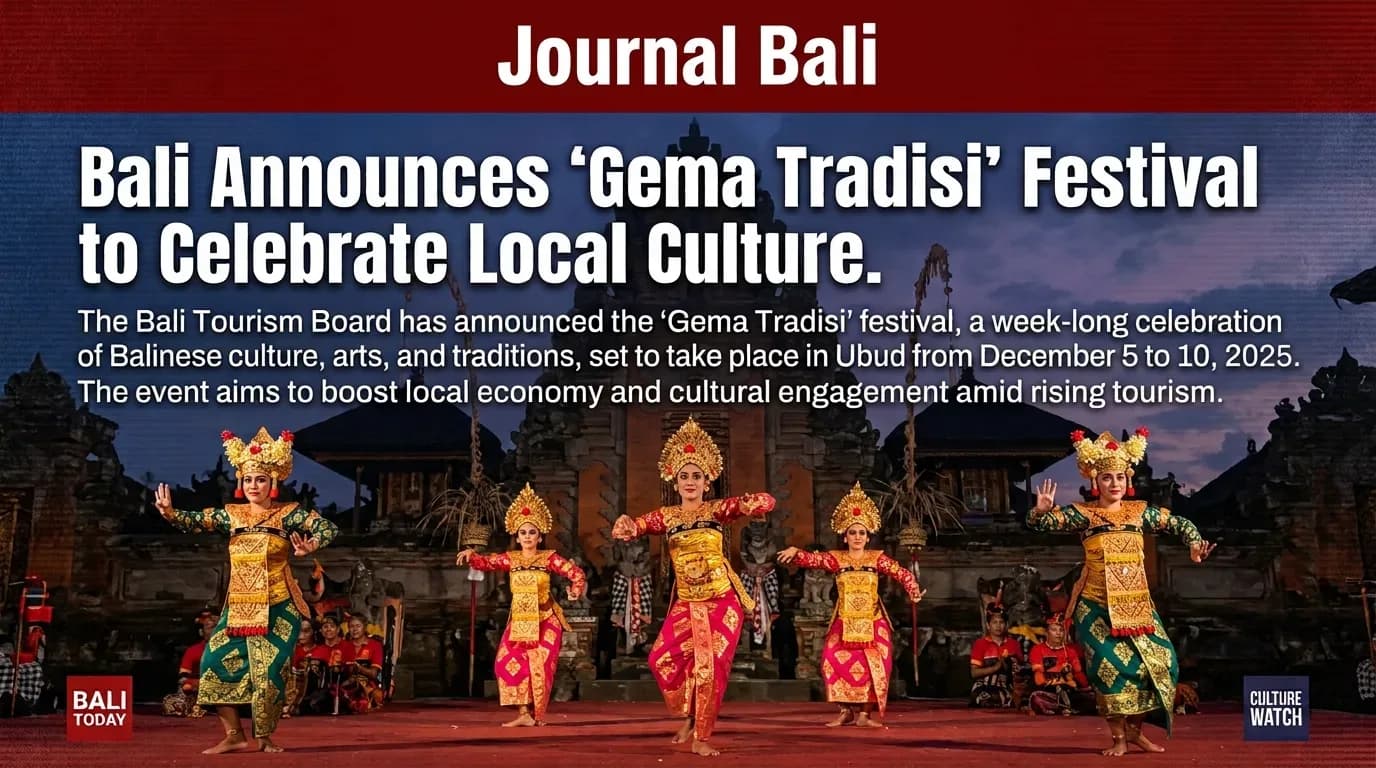
The Bali Arts Festival, a month-long event held annually in Denpasar, has become a focal point, showcasing traditional Balinese music, dance, and crafts. In 2026, the festival reported a record attendance of over 500,000, a 30% increase from the previous year. This growth can be attributed to enhanced marketing efforts and collaborations with travel agencies that promote cultural tourism as a key attraction.
Moreover, the recent introduction of the Bali Cultural Calendar, a comprehensive guide to annual events, has enabled tourists to plan their visits around significant cultural celebrations. This initiative, launched by the Bali Tourism Board, aims to promote not only the well-known events but also smaller, community-based festivals that reflect the island's diverse heritage.
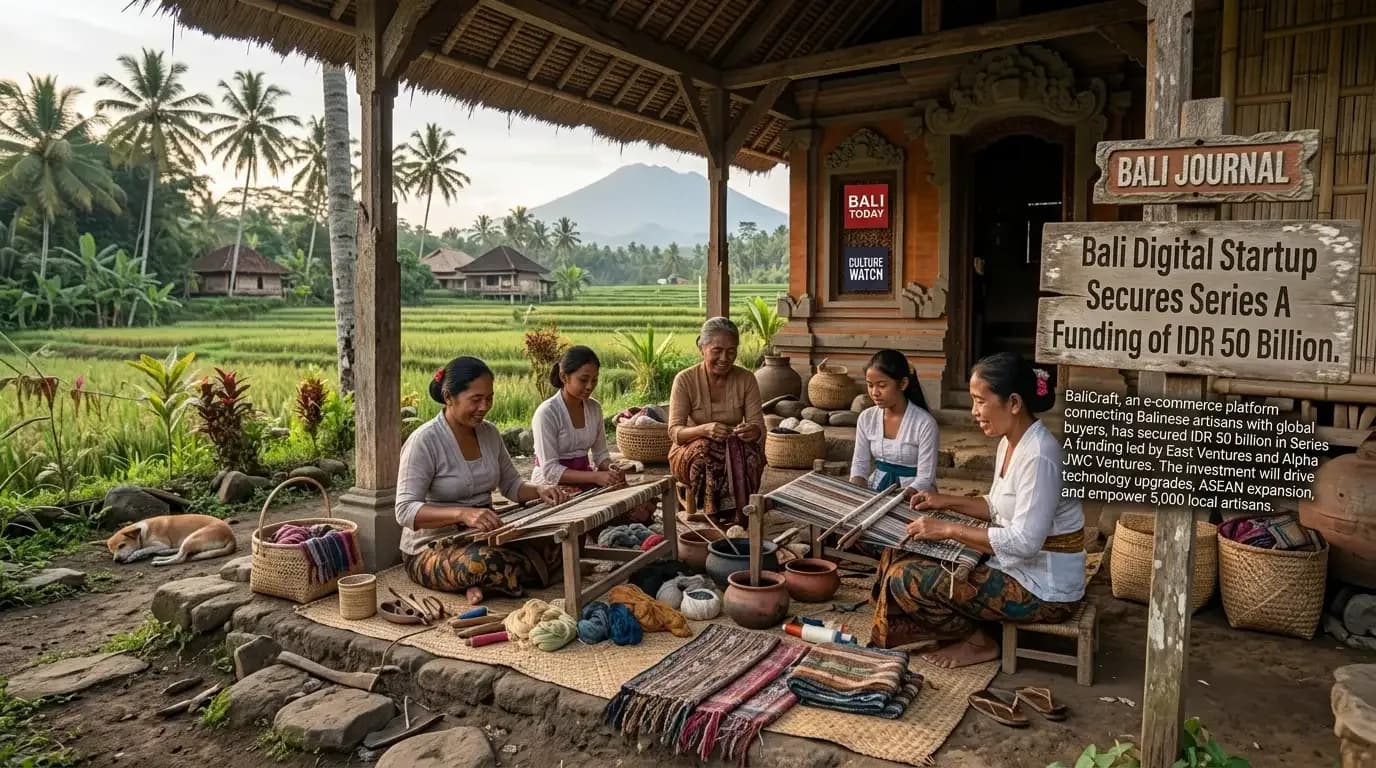
The impact of this cultural renaissance is palpable. Local artisans and performers have experienced a boost in income, with some reporting revenue increases of up to 40% during festival periods. The festivals have also fostered a sense of pride among Balinese residents, as they witness increased interest in their traditions and crafts.

Further supporting this trend, the Bali Tourism Department has noted that cultural festivals have become a crucial part of the island's tourism strategy. In 2026, the department allocated 15% of its budget to promote these events, emphasizing their role in attracting tourists who are increasingly seeking authentic experiences over conventional sightseeing.
Another notable event contributing to Bali's vibrant festival calendar is the Ubud Food Festival. Set to take place in May 2026, this festival celebrates the culinary diversity of Bali, attracting chefs and food enthusiasts from around the world. Last year, the festival attracted over 30,000 visitors, and organizers anticipate an even larger turnout this year. The focus on local ingredients and sustainable practices resonates with the growing trend of eco-conscious tourism, appealing to a demographic that prioritizes sustainability.
The ripple effects of these festivals extend beyond immediate economic benefits. They play a vital role in preserving and promoting Balinese culture. The intergenerational transfer of knowledge during these events strengthens community bonds and fosters cultural continuity, ensuring that traditional practices are not lost to modernization.

However, this surge in festival tourism is not without challenges. Concerns have been raised about the environmental impact of large gatherings, including waste management and the strain on local resources. The Bali Tourism Board is working collaboratively with festival organizers to implement sustainable practices, such as waste reduction initiatives and eco-friendly transportation options for attendees.
In conclusion, Bali's evolving festival landscape is indicative of a broader trend toward cultural engagement in tourism. With increasing attendance and community involvement, these events not only enhance the visitor experience but also contribute significantly to the local economy and cultural preservation. As Bali continues to embrace this model, the island stands poised to solidify its reputation as a premier destination for cultural tourism in Southeast Asia.

Read Also from Other Categories

Jakarta's New Policies Spark Controversy Over Bali's Agricultural Future
Recent agricultural policies from Jakarta are causing a stir in Bali, raising concerns among local farmers about their livelihoods. The provincial government is pushing back against regulations perceived as detrimental to traditional practices and food security.
Investors Eye Bali's Eco-Tourism Ventures Amid Rising Global Consciousness
As eco-tourism gains traction worldwide, Bali emerges as a hotspot for investments in sustainable travel ventures. Local entrepreneurs and international investors alike are capitalizing on the island's natural beauty and cultural richness to promote environmental responsibility.

Emergency Preparedness in Bali: A Community Focus Amid Natural Threats
As climate change intensifies weather patterns, Bali's communities are stepping up emergency preparedness measures. Local authorities emphasize the importance of readiness as the island faces increased risks from natural disasters.

Innovative Water Management Strategies Address Bali's Scarcity Crisis
Bali's growing water scarcity has prompted local governments and communities to implement innovative water management strategies. These initiatives aim to balance the needs of agriculture, tourism, and the local population while preserving the island's natural resources.
Skill Development Initiatives Spark Job Growth Across Bali's Industries
Bali is witnessing a surge in job training programs aimed at enhancing workforce skills. Local businesses and educational institutions are collaborating to address employment challenges and meet industry demands.
In Ubud, the Intersection of Art and Technology Sparks New Culture
As artists in Ubud embrace digital platforms, a cultural renaissance unfolds that blends traditional Balinese artistry with modern technology. This shift is redefining not only art consumption but also local community dynamics.
Comments (0)
No comments yet. Be the first!