New Regulations on Traditional Markets Aim to Boost Local Economies
Bali's provincial government is set to introduce new regulations aimed at revitalizing traditional markets across the island. This initiative seeks to enhance local economic stability and provide better public services while preserving cultural heritage.

The provincial government of Bali has announced a series of regulations designed to rejuvenate traditional markets, emphasizing their role in the local economy and cultural preservation. The initiative, spearheaded by Governor Wayan Koster, is seen as a strategic move to bolster the economic resilience of local vendors while providing residents and tourists with authentic experiences.
These new regulations, which will take effect in early 2024, aim to address a variety of issues faced by traditional markets, including inadequate infrastructure, lack of hygiene standards, and competition from modern shopping centers. Governor Koster stated that the government recognizes the importance of these markets, not just as economic hubs, but as vital components of Bali's cultural identity.
“We must ensure that our traditional markets remain vibrant and competitive,” Koster said during a recent press conference. “This initiative will not only improve the conditions for our local traders but also enhance the experience for our visitors who seek authentic Balinese culture.”
The reforms will include funding for infrastructure improvements, such as better sanitation facilities, waste management systems, and improved access roads. Additionally, the government plans to implement training programs for vendors covering topics such as food safety, marketing strategies, and customer service skills. By investing in the traders, the government hopes to increase sales and attract more foot traffic to these markets.

One of the key features of the new regulations will be the establishment of a monitoring body tasked with ensuring compliance with hygiene and safety standards. This oversight aims to maintain the integrity of the markets and protect public health, particularly in the wake of the COVID-19 pandemic. Experts suggest that improving hygiene standards is essential to restoring consumer confidence and ensuring the longevity of these markets.
The Balinese traditional markets, known as 'pasar,' have been a cornerstone of the island's economy and social life for generations. However, in recent years, many have struggled to compete with the rise of supermarkets and online shopping, leading to declining sales and foot traffic. For instance, the Ubud Market, a popular tourist destination, has seen a significant decrease in visitors, prompting concerns among local traders about their livelihoods.
Moreover, the new regulations are expected to align with broader governmental objectives aimed at sustainable development. The initiative will not only foster economic growth but also promote eco-friendly practices among vendors, such as reducing plastic use and encouraging locally sourced products.
As part of the initiative, the government is also looking to involve local communities in decision-making processes regarding market operations. This participatory approach is intended to ensure that the voices of local traders and residents are heard, fostering a sense of ownership and responsibility toward the markets.

In addition to economic benefits, the revitalization of traditional markets is seen as a means to enhance tourism experiences. The government aims to market these markets as cultural attractions, where tourists can not only shop but also engage with local traditions and crafts. This aligns with Indonesia's broader strategy to promote cultural tourism as a key driver of the economy.
While the new regulations have generally been well-received, some critics argue that there may be implementation challenges, particularly in terms of enforcement and resource allocation. Local market traders have expressed cautious optimism, hoping that the government will follow through on its promises and provide the necessary support to ensure the success of these initiatives.
As Bali continues to navigate the post-pandemic economic landscape, the focus on traditional markets reflects a commitment to preserving cultural heritage while adapting to modern economic realities. The outcome of these new regulations will likely play a crucial role in shaping the future of Bali's local economies and cultural identity in the years to come.

Read Also from Other Categories

Reviving Bali's Traditional Arts: A Pathway to Sustainable Tourism Growth
Bali is witnessing a resurgence in traditional arts as local artisans embrace innovation to attract tourists. This revival not only supports cultural heritage but also contributes to the island's sustainable tourism goals.
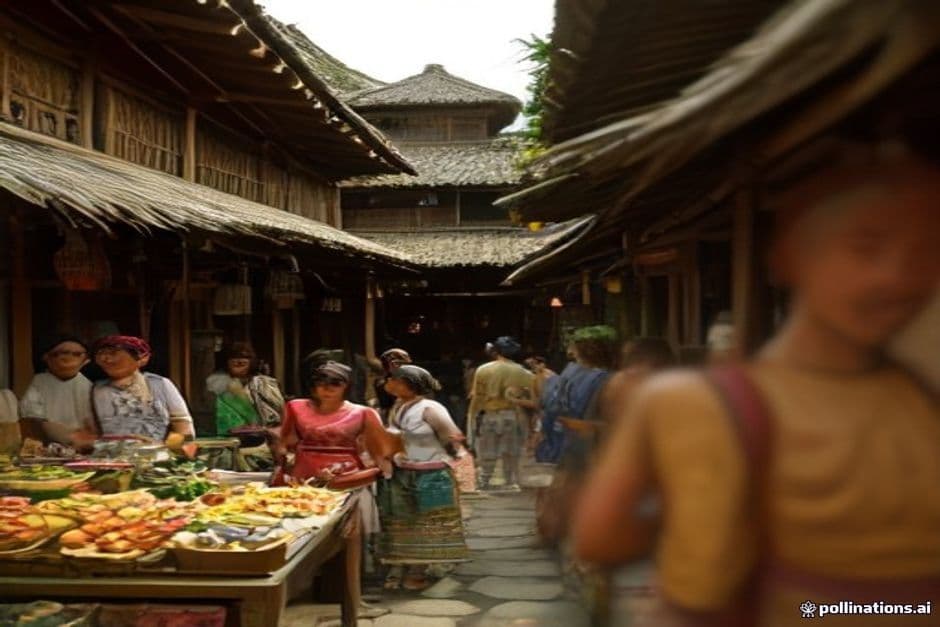
Investors Eye Bali's Eco-Tourism Ventures Amid Rising Global Consciousness
As eco-tourism gains traction worldwide, Bali emerges as a hotspot for investments in sustainable travel ventures. Local entrepreneurs and international investors alike are capitalizing on the island's natural beauty and cultural richness to promote environmental responsibility.

Emergency Preparedness in Bali: A Community Focus Amid Natural Threats
As climate change intensifies weather patterns, Bali's communities are stepping up emergency preparedness measures. Local authorities emphasize the importance of readiness as the island faces increased risks from natural disasters.

Innovative Water Management Strategies Address Bali's Scarcity Crisis
Bali's growing water scarcity has prompted local governments and communities to implement innovative water management strategies. These initiatives aim to balance the needs of agriculture, tourism, and the local population while preserving the island's natural resources.
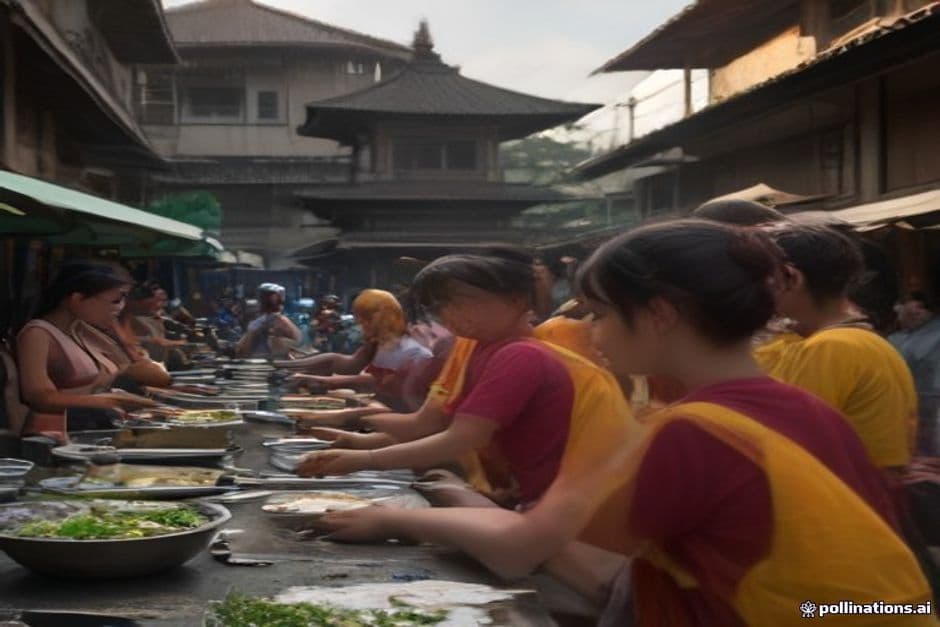
Skill Development Initiatives Spark Job Growth Across Bali's Industries
Bali is witnessing a surge in job training programs aimed at enhancing workforce skills. Local businesses and educational institutions are collaborating to address employment challenges and meet industry demands.
In Ubud, the Intersection of Art and Technology Sparks New Culture
As artists in Ubud embrace digital platforms, a cultural renaissance unfolds that blends traditional Balinese artistry with modern technology. This shift is redefining not only art consumption but also local community dynamics.
Comments (0)
No comments yet. Be the first!