New Initiatives Aim to Preserve Bali's Cultural Identity Amid Rapid Change
As Bali undergoes significant transformation due to tourism and urbanization, new initiatives are emerging to protect its cultural heritage. Experts emphasize the importance of integrating local traditions with modern development to sustain the island's unique identity.
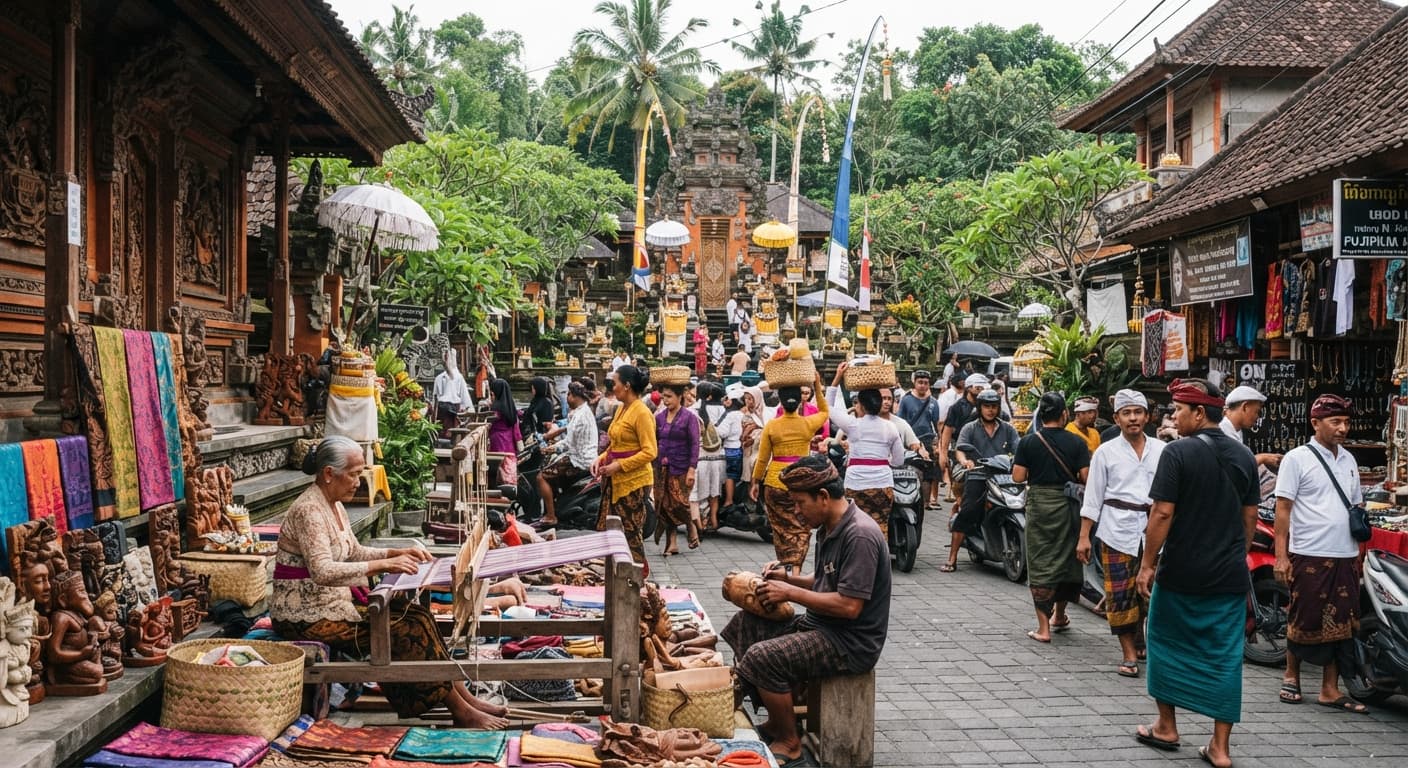
Bali is at a crossroads, facing rapid change driven by tourism and urban development. With millions of visitors flocking to the island each year, the challenge of preserving its rich cultural identity has become increasingly urgent. Recent initiatives by local governments and cultural organizations aim to address this issue, blending modernity with tradition to safeguard Bali's unique heritage.
The Balinese culture, steeped in centuries of tradition, is facing unprecedented pressures. The influx of tourists has not only transformed the economic landscape, but also the social fabric of local communities. In places like Ubud, known for its spiritual and cultural significance, the landscape is dotted with upscale resorts and restaurants that cater primarily to foreign visitors. This shift raises concerns about the authenticity of Balinese culture and its long-term sustainability.
In response to these challenges, the Bali Provincial Government recently announced a series of programs aimed at cultural preservation. One such initiative involves the establishment of cultural zones, where traditional practices are encouraged and supported. These zones will serve as a buffer against commercial developments that threaten to erase local customs and traditions. According to the Head of Bali's Cultural Office, "Our goal is to create spaces that celebrate and protect our heritage while allowing for responsible tourism that benefits our communities."
Moreover, local artisans and craftsmen are being encouraged to collaborate with businesses to promote sustainable tourism that respects cultural practices. Initiatives like the Balinese Heritage Festival, which showcases traditional music, dance, and crafts, aim to educate both tourists and locals about the importance of preserving cultural identity. This festival has seen participation from various village representatives, highlighting the community's commitment to maintaining their unique customs.
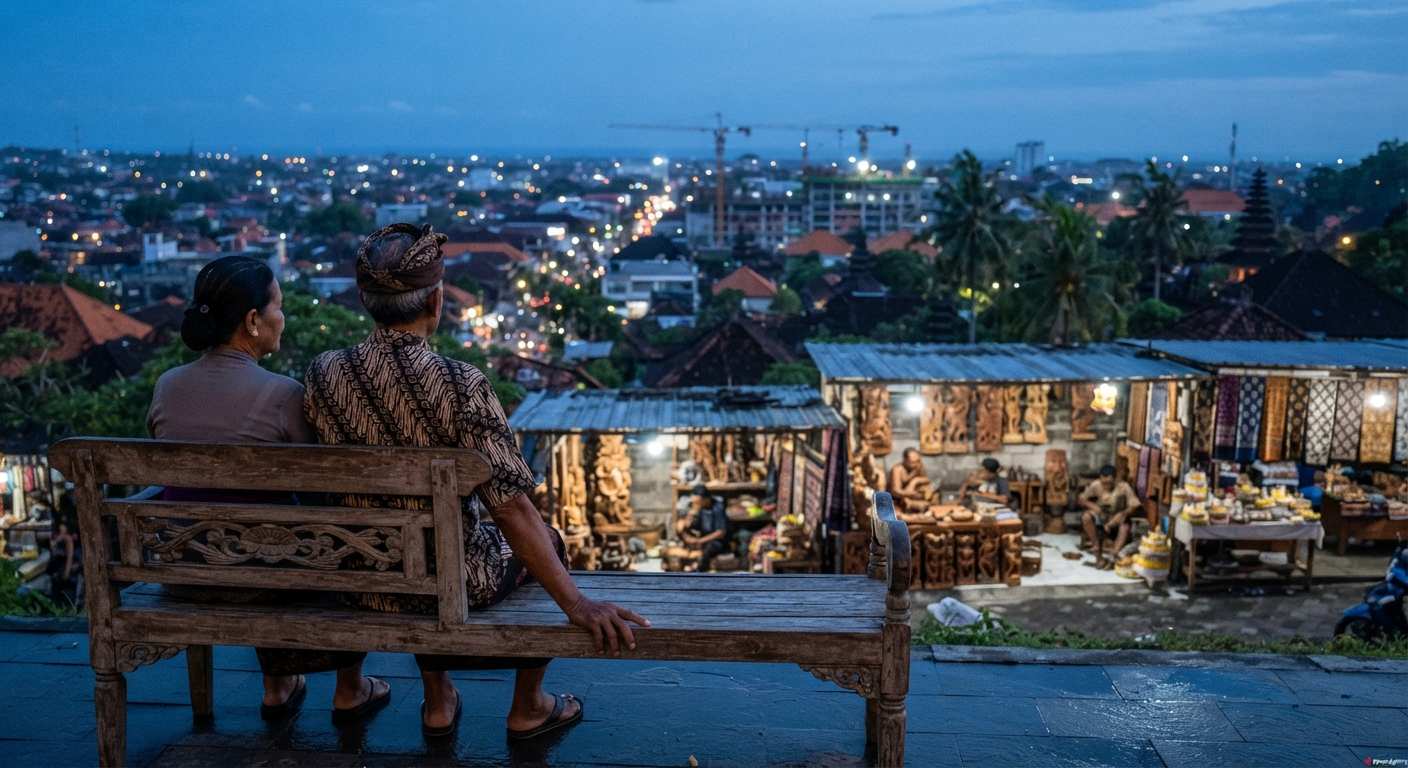
Experts argue that education plays a crucial role in cultural preservation. Schools across Bali are now integrating local history and traditions into their curriculums, ensuring that younger generations understand and appreciate their cultural roots. The curriculum changes have been welcomed by educators and parents alike, as they recognize the importance of fostering a sense of identity in children. A local educator noted, "Teaching our children about their culture not only preserves it but also instills pride in their identity."
However, preserving Bali's cultural identity is not without its challenges. The balancing act between development and conservation often leads to tensions between local communities and developers. In areas like Canggu, where rapid commercialization has sparked debates about gentrification, residents are vocal about their concerns. Community groups are advocating for stricter regulations on new developments, arguing that unchecked growth endangers the essence of what makes Bali unique.
The tourism sector is also adapting to these changes. Many businesses are now prioritizing eco-friendly practices and cultural authenticity as key selling points. Tourists are increasingly seeking experiences that provide genuine insights into Balinese culture, rather than mere superficial interactions. This shift in consumer behavior is prompting businesses to rethink their strategies, aligning them more closely with cultural preservation efforts.

As these initiatives unfold, the role of local government remains pivotal. Policymakers are urged to implement frameworks that promote sustainable practices while ensuring that the voices of local communities are heard in decision-making processes. The Tourism Ministry has acknowledged the need for a collaborative approach, stating that "sustainable tourism must include the perspectives of those who call Bali home."
Looking ahead, Bali's cultural identity will continue to face pressures from globalization and modernization. However, with concerted efforts from local governments, communities, and businesses, there is hope for a future where tradition and modernity coexist harmoniously. By prioritizing cultural preservation, Bali can ensure that its rich heritage remains a vibrant part of its identity, even as it adapts to the demands of a changing world.



Read Also from Other Categories

Ubud's Thriving Spiritual Tourism: A New Chapter in Visitor Engagement
Ubud is emerging as a key player in Bali's spiritual tourism scene, attracting visitors seeking authentic experiences. With a focus on local traditions and wellness, the area is redefining how tourists engage with Balinese culture.

Transforming Bali's Public Services: AI Integration Gains Momentum
The Bali provincial government is ramping up efforts to integrate artificial intelligence into public services, aiming for a more efficient administrative process. This shift reflects a growing trend across Indonesia as local governments adopt digital solutions to enhance service delivery.

Emerging Trends in Bali's Investment Landscape: The Rise of Impact Startups
Bali is witnessing a significant shift in investment trends as impact startups gain traction. With a focus on social and environmental benefits, these ventures are attracting both local and international funding in unprecedented ways.

Unexpected Water Supply Crisis Hits Bali Amid Rising Demand and Climate Change
Bali faces a critical water supply shortage, with demand increasing by 25% year-over-year. Local officials are mobilizing to address the crisis as climate change exacerbates existing challenges.

Local Farmers Transition to Agro-Tourism Amidst Climate Challenges
As climate change impacts agriculture, Bali's farmers are embracing agro-tourism to sustain their livelihoods. This shift not only preserves local culture but also enhances community engagement and economic resilience.
Job Opportunities in Bali's Agriculture Sector: A Path to Sustainability
Bali's agriculture sector is undergoing a transformation, presenting new job opportunities to locals. With a focus on sustainable practices, training programs are paving the way for a greener future in employment.
Comments (0)
No comments yet. Be the first!