Navigating Bali's Food Scene: Local Cuisine Meets Global Influence
As Bali's food landscape evolves, local flavors intertwine with international trends, sparking a culinary renaissance. This fusion reflects both the island's rich heritage and the demands of a diverse dining clientele.
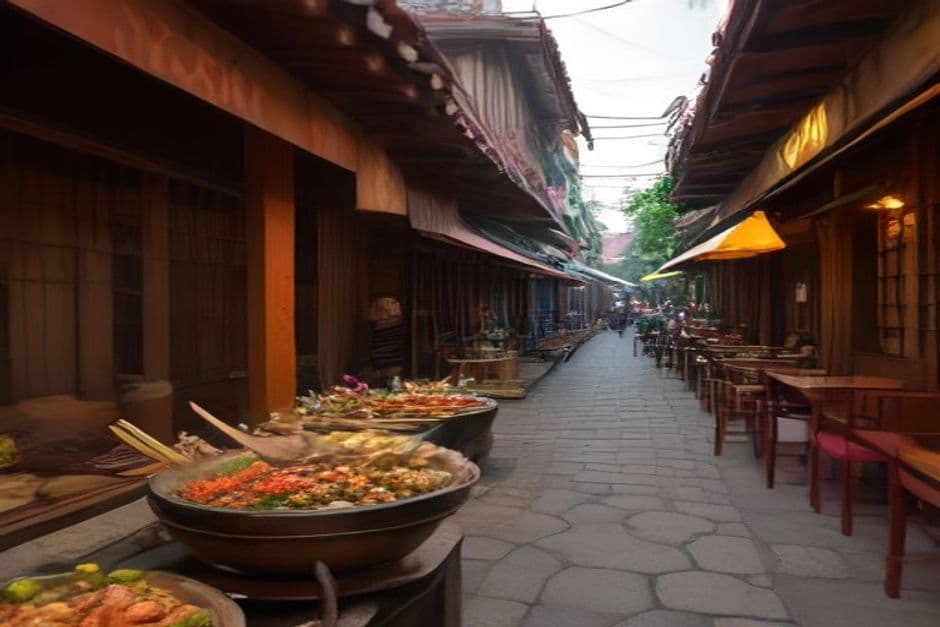
In the vibrant streets of Seminyak, a culinary evolution is unfolding, where local warungs, like Warung Nia on Jalan Petitenget, are increasingly embracing global culinary influences. The sizzle of satay meets the aromatic spices of Mediterranean cuisine, creating a fusion that excites both locals and tourists alike. "We wanted to keep the essence of Balinese food while introducing new flavors that our visitors crave," says Nia, the owner, as she expertly flips a chicken skewer over an open flame.
Across the bustling beach clubs and chic cafes, an array of culinary offerings now beckons. From the traditional babi guling to poke bowls and vegan sushi rolls, Bali's dining scene is a microcosm of cultural exchange. With increasing numbers of tourists from various backgrounds, chefs are finding innovative ways to cater to diverse palates while still honoring the island's culinary roots.
The emergence of international brands has also influenced the local dining landscape. High-end establishments, such as the newly opened Maison D'Amitié, offer a blend of French cuisine with Balinese ingredients, presenting dishes like lobster thermidor infused with sambal matah. Guests savoring their meals overlook the stunning vistas of the ocean, a reminder of Bali's natural beauty and its culinary potential.
However, this gastronomic shift is not without its challenges. Critics argue that the influx of foreign influences can dilute the authenticity of traditional Balinese cuisine. Some local chefs express concern that the rising popularity of international dishes might overshadow time-honored recipes, leading to a decline in local culinary practices.
In response, initiatives like the Bali Culinary Heritage Foundation have emerged, aiming to preserve traditional cooking methods and promote local ingredients. Their recent festival, held at the iconic Pura Taman Ayun, showcased local chefs who prepared traditional dishes, emphasizing the importance of cultural preservation amidst culinary innovation.
Moreover, sustainability has become a critical aspect of Bali's food scene. Many restaurants now prioritize organic, locally sourced ingredients, reducing their carbon footprint and supporting local farmers. At the popular restaurant Earth Café, patrons enjoy meals crafted from ingredients sourced within a 50-kilometer radius. This commitment to sustainability resonates with health-conscious tourists eager to indulge in guilt-free dining.
As the sun sets over the island, the bustling night markets, particularly in Gianyar, come alive with stalls serving up local delicacies like nasi campur and crispy fried tempeh. The air is filled with the enticing aroma of spices, drawing in crowds eager to experience authentic Balinese flavors. Here, street food remains a beloved aspect of the culinary landscape, offering a sense of community and tradition.

While the conversation around Bali's evolving food scene continues, one thing remains clear: the island's culinary identity is a rich tapestry woven from local traditions and global influences. As visitors flock to Bali for its breathtaking landscapes and vibrant culture, they are also drawn to its burgeoning food scene, eager to explore the flavors that define this unique destination.
In conclusion, Bali's food landscape is at a crossroads, where tradition meets innovation. Balinese chefs and restaurateurs are skillfully navigating this dynamic environment, ensuring that the island's culinary heritage is not lost but rather enriched by new influences. As the island continues to attract diverse crowds, its culinary scene will undoubtedly evolve, reflecting the spirit of Bali—an endless fusion of tradition and modernity.



Read Also from Other Categories

Ubud's Thriving Spiritual Tourism: A New Chapter in Visitor Engagement
Ubud is emerging as a key player in Bali's spiritual tourism scene, attracting visitors seeking authentic experiences. With a focus on local traditions and wellness, the area is redefining how tourists engage with Balinese culture.

Transforming Bali's Public Services: AI Integration Gains Momentum
The Bali provincial government is ramping up efforts to integrate artificial intelligence into public services, aiming for a more efficient administrative process. This shift reflects a growing trend across Indonesia as local governments adopt digital solutions to enhance service delivery.

Emerging Trends in Bali's Investment Landscape: The Rise of Impact Startups
Bali is witnessing a significant shift in investment trends as impact startups gain traction. With a focus on social and environmental benefits, these ventures are attracting both local and international funding in unprecedented ways.

Unexpected Water Supply Crisis Hits Bali Amid Rising Demand and Climate Change
Bali faces a critical water supply shortage, with demand increasing by 25% year-over-year. Local officials are mobilizing to address the crisis as climate change exacerbates existing challenges.

Local Farmers Transition to Agro-Tourism Amidst Climate Challenges
As climate change impacts agriculture, Bali's farmers are embracing agro-tourism to sustain their livelihoods. This shift not only preserves local culture but also enhances community engagement and economic resilience.

Job Opportunities in Bali's Agriculture Sector: A Path to Sustainability
Bali's agriculture sector is undergoing a transformation, presenting new job opportunities to locals. With a focus on sustainable practices, training programs are paving the way for a greener future in employment.
Comments (0)
No comments yet. Be the first!