Local Institutions Launch New Programs to Meet Bali's Labor Market Demands
New vocational training programs are set to enhance employment opportunities in Bali, targeting key sectors like technology and hospitality. As businesses adapt to changing demands, local educational institutions are stepping up to equip job seekers with essential skills.
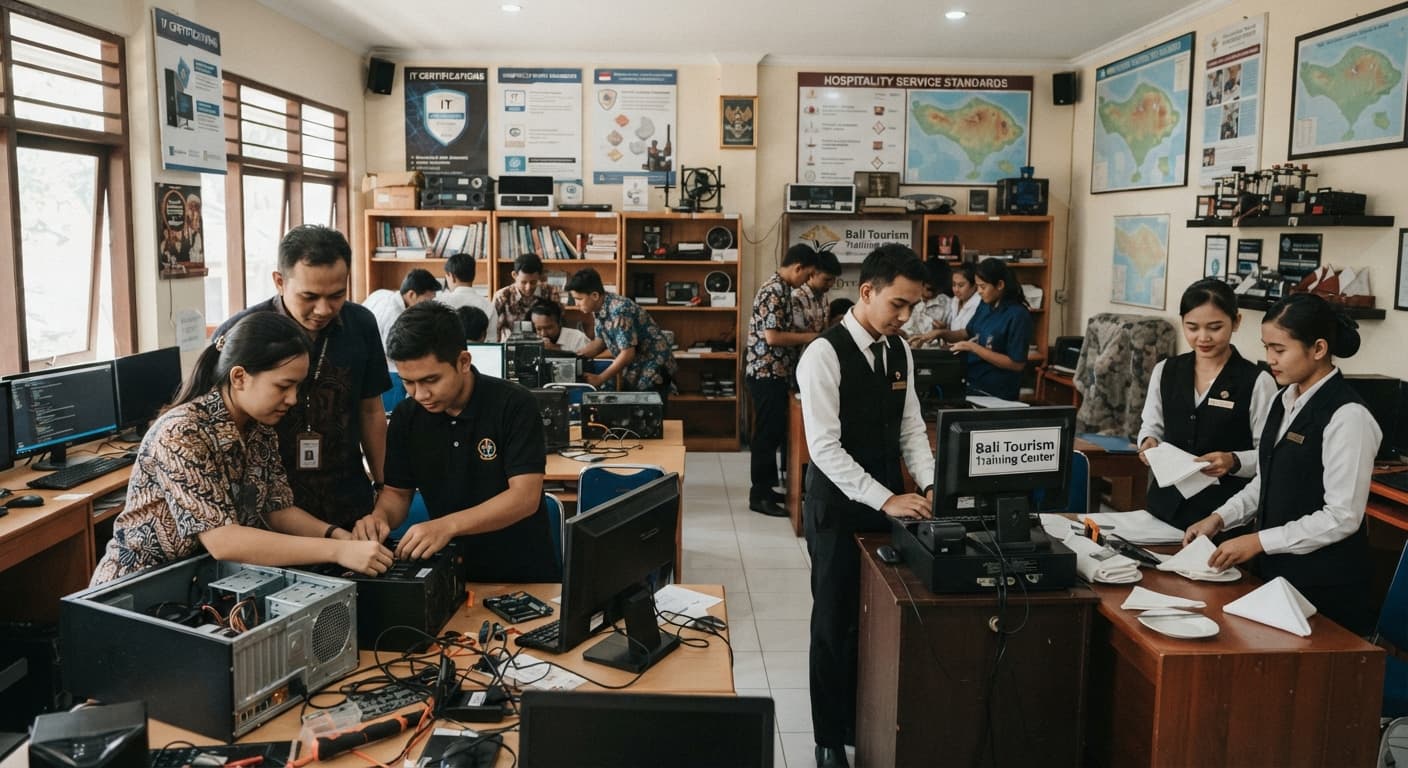
In a decisive move to bridge the skills gap in Bali's evolving job market, local institutions have introduced vocational training programs aimed at meeting the rising demand for skilled workers in various sectors. According to the Bali Manpower Agency, the unemployment rate in Bali has dropped to 6.5% in 2023, down from 8.1% in the previous year, indicating a growing need for specialized training to keep pace with this trend.
The new programs, launched by several vocational schools across Bali, are specifically designed to cater to the needs of key industries, including technology, hospitality, and renewable energy. For instance, Udayana University has partnered with local businesses to develop a curriculum that focuses on digital skills and cloud computing, directly addressing the demands of the tech sector, which has seen a 15% increase in job openings over the past year.
One prominent initiative is the establishment of the Bali Technology Training Center in Denpasar, which aims to enroll over 1,000 students annually. The center focuses on equipping participants with skills in software development, data analysis, and digital marketing. With the tech industry projected to grow by 10% in Bali by 2025, these skills are becoming increasingly essential for job seekers.
In addition to technology, the hospitality sector remains a cornerstone of Bali's economy, employing approximately 30% of the workforce. In response to the sector's recovery post-pandemic, institutions like Politeknik Negeri Bali have rolled out specialized programs in sustainable tourism management. These programs are designed to prepare students for roles that emphasize eco-friendly practices, which are increasingly sought after by international travelers.
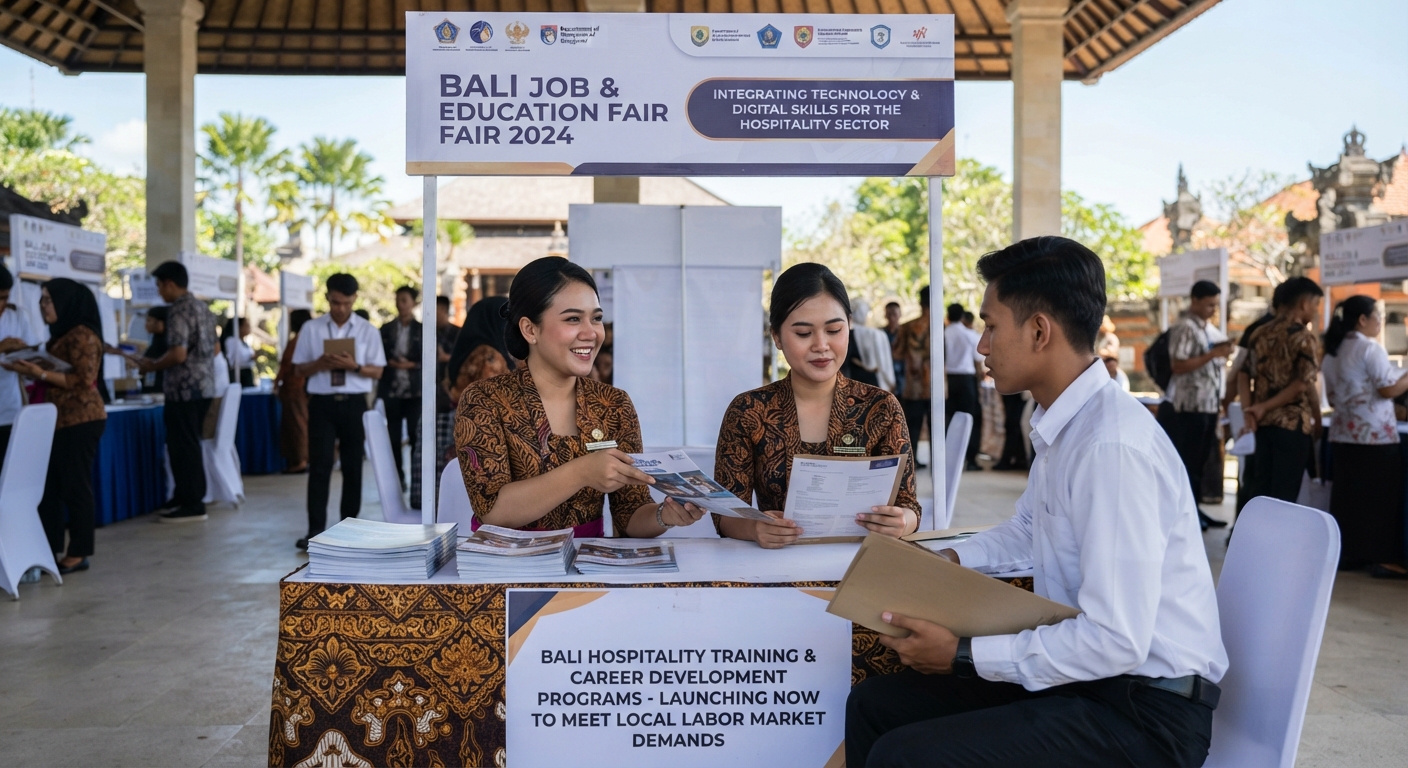
Furthermore, local government initiatives are supporting these educational efforts. The Bali Provincial Government has allocated approximately Rp 5 billion (around $350,000) for skill development programs aimed at unemployed youth. This funding will enhance partnerships between educational institutions and local businesses, ensuring that the training provided aligns with industry needs.
With the introduction of these programs, experts predict a significant boost in employment opportunities for Bali's youth. The Head of the Bali Manpower Agency, I Gede Agung, stated that "the focus on vocational training aligns with our vision to reduce unemployment and equip our youth with the skills necessary for the jobs of tomorrow." This initiative reflects a broader trend in Indonesia, where vocational training is increasingly recognized as a vital component of economic development.
Additionally, the training programs are expected to evolve continuously in response to the dynamic job market. For example, as the renewable energy sector gains momentum, institutions are looking to incorporate relevant training that will prepare the workforce for jobs in this emerging field. Recent statistics indicate that the renewable energy sector in Bali has grown by 12% in the last year, creating a ripple effect in job creation.

While the job market in Bali is becoming more competitive, the integration of these training programs is a proactive step towards ensuring that local talent is equipped to meet the demands of employers. As businesses continue to seek skilled professionals, the collaboration between educational institutions and industry players will be crucial in shaping a resilient and capable workforce.
In conclusion, Bali's commitment to enhancing vocational training programs represents a significant turning point in addressing the skills gap in the job market. The introduction of specialized training in technology, hospitality, and renewable energy is set to empower local job seekers, affirming Bali's position as a key player in Indonesia's economic landscape.



Read Also from Other Categories

Ubud's Thriving Spiritual Tourism: A New Chapter in Visitor Engagement
Ubud is emerging as a key player in Bali's spiritual tourism scene, attracting visitors seeking authentic experiences. With a focus on local traditions and wellness, the area is redefining how tourists engage with Balinese culture.
Transforming Bali's Public Services: AI Integration Gains Momentum
The Bali provincial government is ramping up efforts to integrate artificial intelligence into public services, aiming for a more efficient administrative process. This shift reflects a growing trend across Indonesia as local governments adopt digital solutions to enhance service delivery.

Emerging Trends in Bali's Investment Landscape: The Rise of Impact Startups
Bali is witnessing a significant shift in investment trends as impact startups gain traction. With a focus on social and environmental benefits, these ventures are attracting both local and international funding in unprecedented ways.

Unexpected Water Supply Crisis Hits Bali Amid Rising Demand and Climate Change
Bali faces a critical water supply shortage, with demand increasing by 25% year-over-year. Local officials are mobilizing to address the crisis as climate change exacerbates existing challenges.

Local Farmers Transition to Agro-Tourism Amidst Climate Challenges
As climate change impacts agriculture, Bali's farmers are embracing agro-tourism to sustain their livelihoods. This shift not only preserves local culture but also enhances community engagement and economic resilience.

Rethinking Bali's Digital Nomad Policies: A Call for Sustainable Integration
Bali's digital nomad community has surged by 35% in the past year, prompting discussions on the need for more structured policies. Experts argue that without strategic planning, the influx could strain local resources and cultural integrity.
Comments (0)
No comments yet. Be the first!