Local Government Boosts Cultural Tourism Through New Preservation Grants
Bali's local government has launched a new grant program aimed at supporting cultural preservation initiatives. This effort seeks to enhance tourism by promoting authentic Balinese heritage and traditions.

In a significant move to bolster cultural tourism, Bali's local government has unveiled a new grant program dedicated to supporting initiatives focused on the preservation of Balinese cultural heritage. Announced during a recent press conference held at the Bali Cultural Office in Denpasar, the program aims to allocate approximately IDR 10 billion in funding to local communities and organizations that engage in cultural preservation projects.
The program is designed to foster community involvement and stimulate economic growth through tourism that highlights Bali's rich traditions and customs. The Head of Bali's Cultural Office, Made Arya, emphasized the importance of maintaining cultural identity in the face of rapid modernization. "Our culture is our most valuable asset. By investing in preservation, we not only protect our heritage but also create new opportunities for our communities and tourists alike," Arya stated.
The grants will be available for a variety of projects, including traditional dance performances, crafts workshops, and the restoration of historical sites. Local villages, artists, and cultural organizations are encouraged to apply for funding to promote their unique heritage and attract visitors seeking authentic cultural experiences.
This initiative aligns with Bali's broader tourism strategy, which has increasingly focused on sustainable and responsible tourism. The government recognizes that visitors are drawn not only to Bali's scenic landscapes but also to its vibrant culture. Therefore, the preservation of local customs is seen as a key component in enhancing the island's appeal.

In recent years, the rise of mass tourism has raised concerns among local communities about the loss of traditional practices and the commodification of culture. The new grant program is seen as a proactive step towards countering these trends. By providing financial support, the local government aims to empower communities to take control of their cultural narratives and ensure that traditions are passed down to future generations.
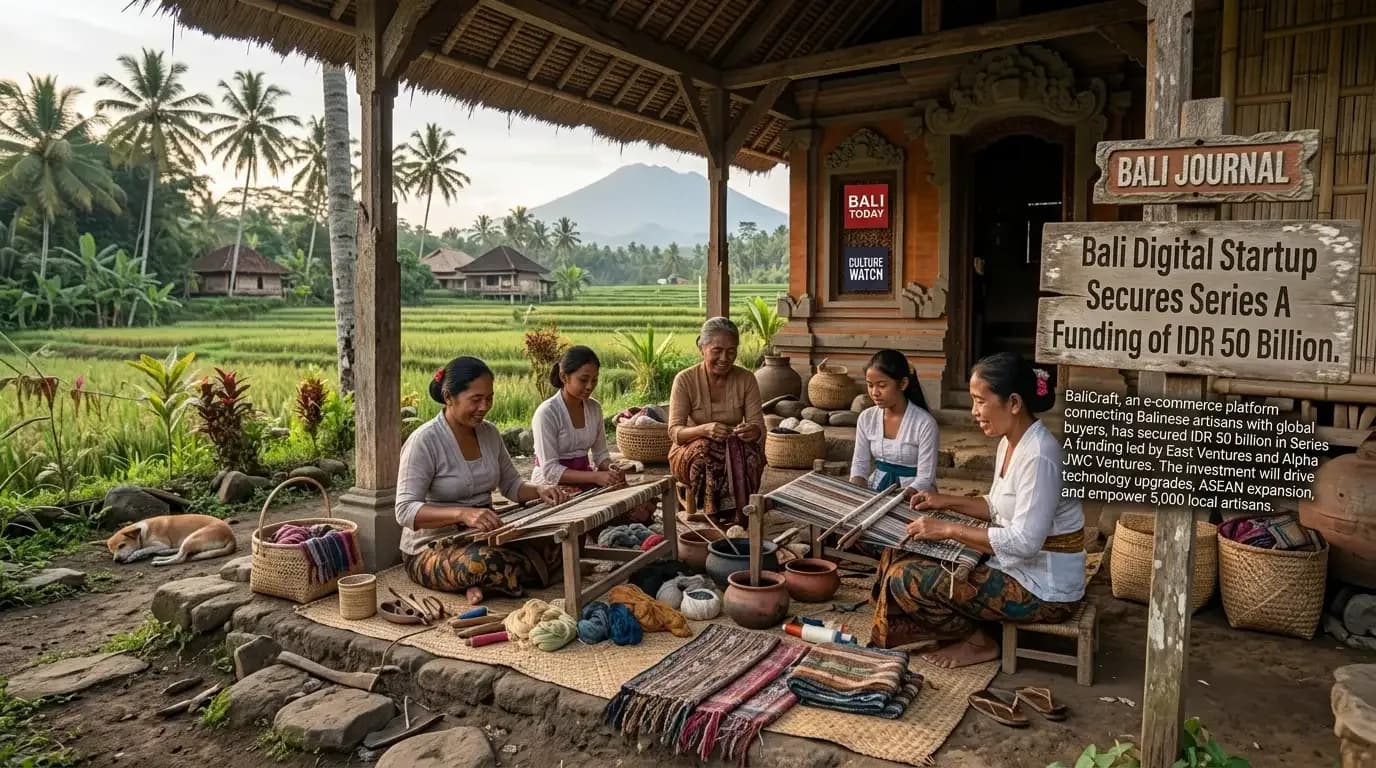
One notable application already in the works includes a project from the village of Ubud, where local artisans plan to revive traditional weaving techniques. This project not only aims to preserve the craft but also seeks to provide training for younger generations, ensuring that these skills are not lost. The initiative is expected to attract visitors interested in hands-on experiences and workshops, thereby contributing to the local economy.
Furthermore, the program includes an educational component that seeks to raise awareness among tourists about the significance of cultural preservation. Engaging tourists in the narrative of Bali's heritage can lead to more respectful interactions and a deeper appreciation for the island's traditions.
Local stakeholders have expressed optimism about the program's potential impact. Nyoman, a representative from a local cultural association, remarked, "This grant is a lifeline for our community. It allows us to showcase our heritage while providing economic opportunities for our families. We hope this will inspire other villages to take similar initiatives."
The application process for the grants is set to open next month, and officials are encouraging all interested parties to participate. The local government plans to host informational sessions to guide applicants through the process and provide support in developing their proposals.
As Bali continues to navigate the challenges posed by tourism and modernization, the introduction of this grant program represents a commitment to preserving the island’s unique cultural identity. By prioritizing local initiatives, the government not only invests in the future of Balinese culture but also positions the island as a model for sustainable tourism practices.
With the increasing global interest in cultural tourism, Bali stands at a crossroads. The success of this grant program could very well determine how the island balances the dual pressures of tourism and cultural preservation in the years to come.

Read Also from Other Categories
Reviving Bali's Traditional Arts: A Pathway to Sustainable Tourism Growth
Bali is witnessing a resurgence in traditional arts as local artisans embrace innovation to attract tourists. This revival not only supports cultural heritage but also contributes to the island's sustainable tourism goals.
Jakarta's New Policies Spark Controversy Over Bali's Agricultural Future
Recent agricultural policies from Jakarta are causing a stir in Bali, raising concerns among local farmers about their livelihoods. The provincial government is pushing back against regulations perceived as detrimental to traditional practices and food security.
Investors Eye Bali's Eco-Tourism Ventures Amid Rising Global Consciousness
As eco-tourism gains traction worldwide, Bali emerges as a hotspot for investments in sustainable travel ventures. Local entrepreneurs and international investors alike are capitalizing on the island's natural beauty and cultural richness to promote environmental responsibility.
Emergency Preparedness in Bali: A Community Focus Amid Natural Threats
As climate change intensifies weather patterns, Bali's communities are stepping up emergency preparedness measures. Local authorities emphasize the importance of readiness as the island faces increased risks from natural disasters.
Skill Development Initiatives Spark Job Growth Across Bali's Industries
Bali is witnessing a surge in job training programs aimed at enhancing workforce skills. Local businesses and educational institutions are collaborating to address employment challenges and meet industry demands.
In Ubud, the Intersection of Art and Technology Sparks New Culture
As artists in Ubud embrace digital platforms, a cultural renaissance unfolds that blends traditional Balinese artistry with modern technology. This shift is redefining not only art consumption but also local community dynamics.
Comments (0)
No comments yet. Be the first!