Local Artisans Thrive as Bali's Tourism Diversifies
Bali's tourism landscape is increasingly embracing local artisans as more visitors seek authentic cultural experiences. This shift not only supports the local economy but also helps preserve traditional crafts amid the island's evolving tourism sector.
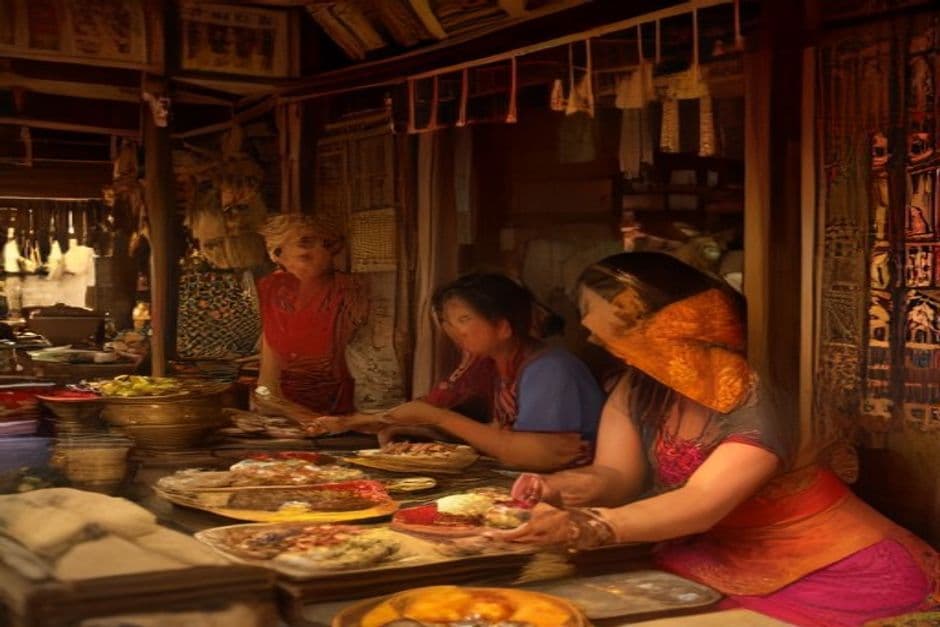
Bali's tourism industry is undergoing a significant transformation as travelers prioritize authentic experiences over traditional sightseeing. In recent years, there has been a marked increase in interest toward local artisans, whose crafts reflect the rich cultural heritage of the island. This trend is reshaping the tourism landscape, fostering economic growth among local communities while preserving age-old traditions.
According to the Bali Tourism Board, tourist spending on handmade crafts and local artworks has surged by approximately 30% over the past two years. Visitors are now more inclined to seek out unique souvenirs that resonate with the local culture, rather than mass-produced items typically found in tourist shops. This shift is prompting a revival of traditional Balinese crafts such as wood carving, weaving, and pottery, providing artisans with new opportunities for income and exposure.
Artisans like Made Sudiarta, a woodcarver from Ubud, have experienced firsthand the benefits of this trend. "More tourists are visiting my workshop, wanting to learn about the process and even try their hand at carving," he said. This interactive approach not only enhances the visitor experience but also allows artisans to share their skills and stories, creating a deeper connection between the crafts and those who purchase them.

To further support this trend, local governments and tourism agencies are developing initiatives aimed at promoting artisan markets and workshops. Events such as the Bali Artisan Fair, held annually in Seminyak, showcase the talents of local craftsmen and women, attracting both domestic and international visitors. This year’s fair saw a record attendance, with over 5,000 participants engaging with artisans and purchasing their works.
The rise in appreciation for local crafts has also led to collaborations between hotels and artisans. Several luxury resorts now feature artworks created by local artisans in their interiors, enhancing the authenticity of the guest experience. By incorporating these elements, resorts not only provide a visually appealing atmosphere but also contribute to sustainable tourism practices by supporting local economies.
However, this diversification of Bali’s tourism sector is not without challenges. Many artisans face difficulties in scaling their operations to meet growing demand, often due to a lack of resources and marketing support. Organizations like the Bali Creative Industry Council are working to address these issues by offering training programs and assistance with digital marketing, enabling artisans to reach a broader audience.

Additionally, as the interest in local crafts grows, there is concern over the potential for cultural appropriation and the commercialization of traditional practices. Artisans are emphasizing the importance of educating tourists about the significance of their crafts, ensuring that visitors appreciate the cultural context behind each piece they purchase.
As Bali continues to attract millions of tourists annually, the shift towards supporting local artisans is becoming a defining characteristic of its tourism landscape. This trend not only enriches the visitor experience but also plays a crucial role in sustaining traditional craftsmanship and empowering local communities. The future of Bali’s tourism may well rest in the hands of its artisans, as they forge new connections with visitors seeking to engage meaningfully with the island's culture.



Read Also from Other Categories

Transforming Bali's Public Services: AI Integration Gains Momentum
The Bali provincial government is ramping up efforts to integrate artificial intelligence into public services, aiming for a more efficient administrative process. This shift reflects a growing trend across Indonesia as local governments adopt digital solutions to enhance service delivery.

Emerging Trends in Bali's Investment Landscape: The Rise of Impact Startups
Bali is witnessing a significant shift in investment trends as impact startups gain traction. With a focus on social and environmental benefits, these ventures are attracting both local and international funding in unprecedented ways.

Unexpected Water Supply Crisis Hits Bali Amid Rising Demand and Climate Change
Bali faces a critical water supply shortage, with demand increasing by 25% year-over-year. Local officials are mobilizing to address the crisis as climate change exacerbates existing challenges.

Local Farmers Transition to Agro-Tourism Amidst Climate Challenges
As climate change impacts agriculture, Bali's farmers are embracing agro-tourism to sustain their livelihoods. This shift not only preserves local culture but also enhances community engagement and economic resilience.

Job Opportunities in Bali's Agriculture Sector: A Path to Sustainability
Bali's agriculture sector is undergoing a transformation, presenting new job opportunities to locals. With a focus on sustainable practices, training programs are paving the way for a greener future in employment.

Rethinking Bali's Digital Nomad Policies: A Call for Sustainable Integration
Bali's digital nomad community has surged by 35% in the past year, prompting discussions on the need for more structured policies. Experts argue that without strategic planning, the influx could strain local resources and cultural integrity.
Comments (0)
No comments yet. Be the first!