Job Creation in Bali's Remote Areas: A New Focus for Local Economies
Bali's government is prioritizing job creation in remote regions, aiming to balance economic growth across the island. Recent initiatives are targeting sectors like agriculture and eco-tourism to empower local communities and reduce urban migration.
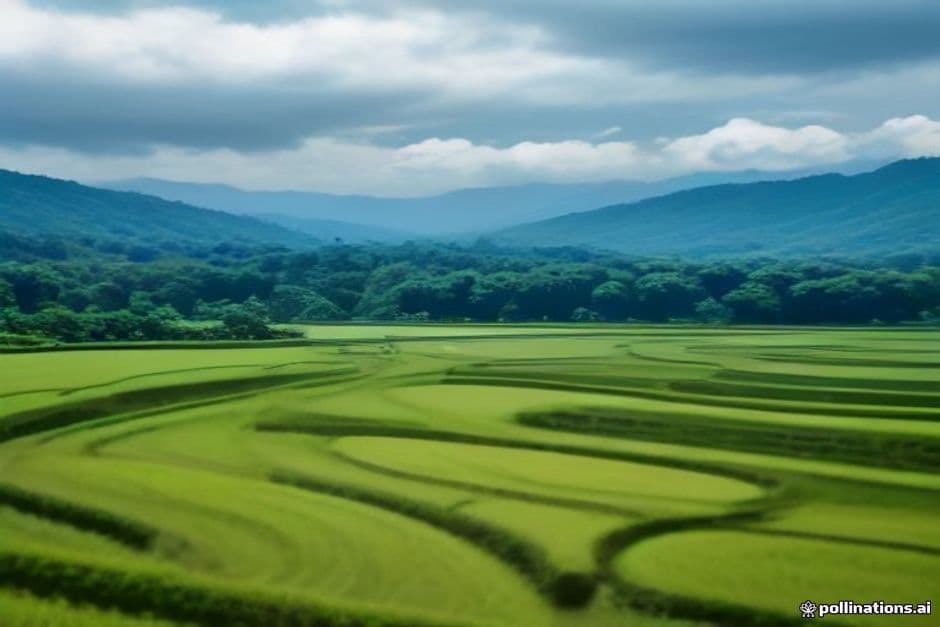
Bali's government has launched a series of initiatives aimed at creating job opportunities in the island's remote areas, addressing a growing concern over urban migration and unbalanced economic development. The focus is now shifting towards empowering local communities through sectors such as agriculture and eco-tourism, which are seen as viable avenues for sustainable employment.
In recent weeks, the provincial administration announced plans to invest in local infrastructure and training programs designed to bolster these industries. Governor Wayan Koster emphasized the importance of this initiative, stating, "We must ensure that all of Bali benefits from our economic growth, not just the tourist hotspots." This new approach aims to create a more equitable distribution of jobs and resources, particularly for communities that have historically been left behind.
One of the key components of this initiative is the establishment of agricultural cooperatives in areas such as Karangasem and Buleleng. These cooperatives are designed to provide farmers with the necessary training and resources to enhance their productivity and market access. By focusing on organic farming and sustainable practices, the government hopes to not only increase local employment but also promote environmental conservation.
In addition, eco-tourism is being highlighted as a significant opportunity for job creation. Regions like Munduk and Jatiluwih, known for their stunning landscapes and rich culture, are being promoted as destinations for eco-friendly travel. Training programs for local guides, hospitality staff, and artisans are being rolled out to prepare residents for the influx of tourists interested in sustainable travel options.
The government has also partnered with local NGOs to facilitate workshops and training sessions that focus on entrepreneurship and business management. These programs aim to equip individuals with the skills needed to start their own ventures, further contributing to job creation in the region. The collaboration between the public and private sectors is critical for the success of these initiatives, as it combines resources and expertise.
As part of this new strategy, job fairs are being organized in various districts to connect residents with potential employers in agriculture and eco-tourism. The first of these fairs is scheduled to take place in Amlapura, with over 50 local businesses expected to participate. This event is seen as a crucial step in bridging the gap between job seekers and employers, facilitating immediate employment opportunities.
While the initiatives have been met with optimism, challenges remain. Critics have pointed out that the success of these programs will greatly depend on sustained investment and commitment from the government. Additionally, there are concerns regarding the potential for eco-tourism to disrupt local cultures and ecosystems if not managed properly.
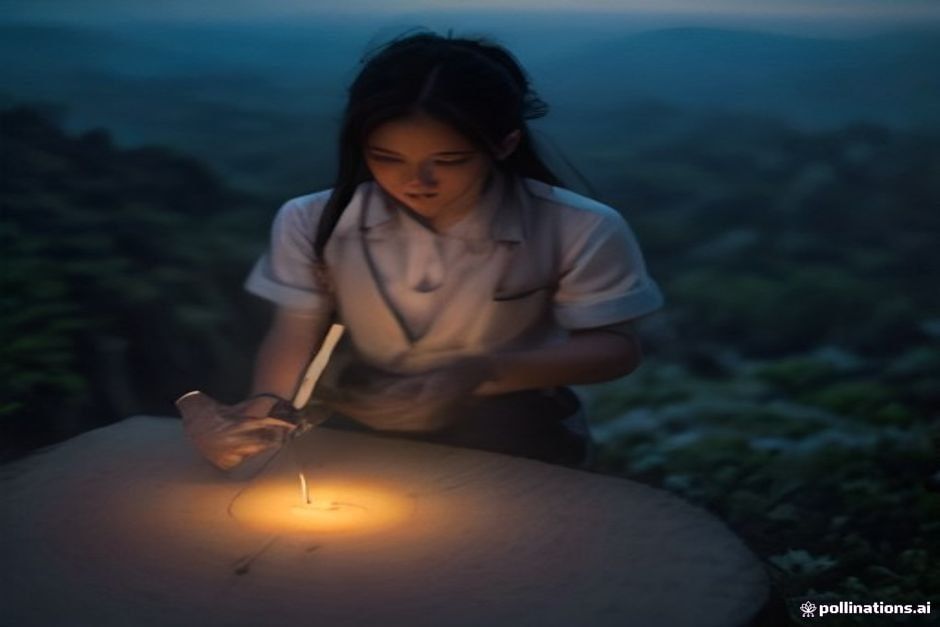
The government is aware of these challenges and is actively seeking ways to mitigate them. Regular assessments and community feedback mechanisms are being integrated into the planning and implementation stages of these projects to ensure that local voices are heard and that developments align with the needs and values of the communities.
Looking ahead, the focus on job creation in remote areas represents a significant shift in Bali's economic strategy. By prioritizing local employment opportunities, the government aims to not only enhance the livelihoods of residents but also to create a more balanced and resilient economy that can withstand future challenges.
As initiatives unfold, stakeholders from various sectors are encouraged to collaborate and share insights that can further enhance the effectiveness of these programs. With the right support and resources, Bali's remote regions could see a resurgence of economic activity that benefits all its inhabitants.

Read Also from Other Categories

Reviving Bali's Traditional Arts: A Pathway to Sustainable Tourism Growth
Bali is witnessing a resurgence in traditional arts as local artisans embrace innovation to attract tourists. This revival not only supports cultural heritage but also contributes to the island's sustainable tourism goals.

Jakarta's New Policies Spark Controversy Over Bali's Agricultural Future
Recent agricultural policies from Jakarta are causing a stir in Bali, raising concerns among local farmers about their livelihoods. The provincial government is pushing back against regulations perceived as detrimental to traditional practices and food security.
Investors Eye Bali's Eco-Tourism Ventures Amid Rising Global Consciousness
As eco-tourism gains traction worldwide, Bali emerges as a hotspot for investments in sustainable travel ventures. Local entrepreneurs and international investors alike are capitalizing on the island's natural beauty and cultural richness to promote environmental responsibility.

Emergency Preparedness in Bali: A Community Focus Amid Natural Threats
As climate change intensifies weather patterns, Bali's communities are stepping up emergency preparedness measures. Local authorities emphasize the importance of readiness as the island faces increased risks from natural disasters.
Innovative Water Management Strategies Address Bali's Scarcity Crisis
Bali's growing water scarcity has prompted local governments and communities to implement innovative water management strategies. These initiatives aim to balance the needs of agriculture, tourism, and the local population while preserving the island's natural resources.
In Ubud, the Intersection of Art and Technology Sparks New Culture
As artists in Ubud embrace digital platforms, a cultural renaissance unfolds that blends traditional Balinese artistry with modern technology. This shift is redefining not only art consumption but also local community dynamics.
Comments (0)
No comments yet. Be the first!