Jakarta's Policy Changes Impact Bali's Infrastructure Development Plans
Recent policy adjustments from Jakarta are reshaping Bali's infrastructure initiatives. Local leaders are strategizing to align provincial needs with national directives to enhance public services and connectivity.
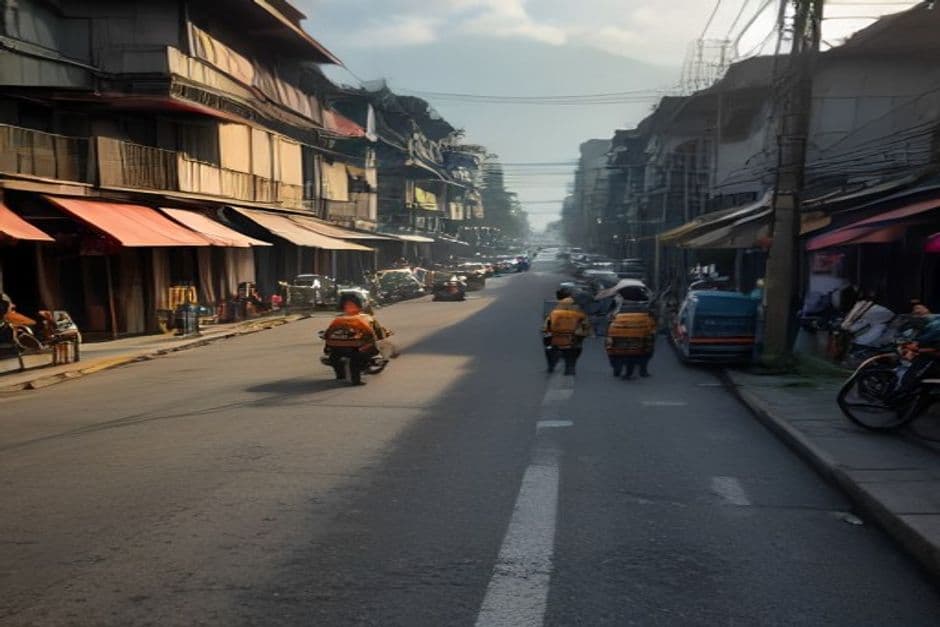
As the sun rises over the bustling streets of Denpasar, the sound of construction echoes through the air. Workers in hard hats and safety vests are busy at various sites, from new roadways to public transportation hubs, signifying a wave of development sweeping through Bali. Yet, beneath this physical transformation lies a complex interplay of policies originating from Jakarta that are significantly influencing these local projects.
In recent months, the provincial government of Bali has faced the challenge of navigating new regulations introduced by the central government. These changes, aimed at streamlining infrastructure development across Indonesia, have sparked a flurry of discussions among local officials on how to effectively align provincial ambitions with national goals.
Governor Wayan Koster, in a statement last week, emphasized the need for Bali to adapt to Jakarta's updated policies while maintaining its unique cultural identity and addressing local needs. "Our goal is to enhance connectivity and public services without compromising the island's integrity and environmental sustainability," he remarked during a press conference held at the Bali Provincial Government Office.
One of the primary changes from Jakarta is the updated allocation of funds for infrastructure projects. Bali is now set to receive a substantial increase in financing aimed at improving roads, public transportation, and utilities. This financial boost, however, comes with strings attached—projects must be re-evaluated to ensure they meet new national standards.
Local leaders are keenly aware of the implications these adjustments hold for their development agendas. For instance, the ongoing expansion of Ngurah Rai International Airport has been a focal point in discussions. The airport's upgrade is critical for accommodating the increasing influx of tourists, but it must now comply with Jakarta's stringent environmental regulations, which aim to minimize ecological damage.

Additionally, Bali's public transport system is undergoing a transformation. The provincial government is working to implement a new integrated transportation model, which has gained urgency following Jakarta's directive to enhance urban mobility across major islands. This initiative includes the introduction of electric buses and improved road infrastructures to ease congestion, especially in tourist-heavy areas like Seminyak and Kuta.
Concerns regarding the environmental impact of these projects have also surfaced. Bali's unique ecosystems are under threat from rapid urbanization, and Governor Koster has voiced a commitment to sustainable development. "We cannot afford to sacrifice our environment for growth. Our development strategies must incorporate green technologies and sustainable practices," he stated, addressing a gathering of environmental activists and local business leaders.
Despite these challenges, opportunities for innovation abound. Local entrepreneurs are stepping up, proposing eco-friendly solutions for construction and infrastructure that align with both Bali's cultural values and Jakarta's regulations. Initiatives for smart city technologies are being discussed, with plans to integrate digital services into public transport systems and urban planning.
The governor's office is also engaged in active dialogue with the central government to advocate for Bali's specific needs. Meetings in Jakarta have been fruitful, with local representatives pushing for tailored solutions that recognize Bali's distinct challenges. "It's vital that Bali's voice is heard in the national conversation. Our unique position as a tourism hub requires strategies that differ from other regions," Koster emphasized.

As Bali continues to adapt to these new regulations, the provincial government is also focused on enhancing public services. Plans to upgrade healthcare facilities and educational institutions are underway, reflecting Jakarta's push for improved social services across the nation. This holistic approach aims to ensure that Bali is not only a paradise for tourists but also a thriving community for its residents.
Looking ahead, the collaboration between Bali and Jakarta will be crucial in shaping the island's future. As local leaders work to align their infrastructure development plans with national policies, there is a shared understanding that progress must be balanced with preservation. The ongoing dialogue between the two levels of government will ultimately determine how Bali navigates this pivotal moment in its development.
As the construction continues and policies evolve, the people of Bali remain hopeful. They envision a future where their island can thrive economically while retaining its cultural heritage and natural beauty. The challenge lies in effectively integrating these diverse goals into a cohesive strategy that serves both the local community and the broader national agenda.


Read Also from Other Categories
Gentrification in Canggu: The Cost of Bali's Tourism Boom
As Canggu's popularity surges, local residents face the challenges of rising costs and cultural shifts. The influx of tourists is transforming the neighborhood, sparking debates on sustainability and authenticity.

Emerging Investment Opportunities in Bali's Agricultural Sector
Bali's agricultural sector is witnessing a resurgence as investors turn to sustainable farming practices and agritech innovations. This trend highlights the potential for increased economic diversification and food security on the island.

Emergency Services Gear Up for Potential Tsunami Risks in Bali
As seismic activity increases near Bali, local authorities prepare for potential tsunami threats. Emergency drills and safety measures are being reinforced to protect both residents and tourists in vulnerable coastal areas.
Bali's Urban Development: A Push Towards Sustainable Infrastructure
Bali's local government is investing IDR 500 billion to enhance urban infrastructure while promoting sustainability. This initiative aims to balance modernization with cultural preservation across the island.

Job Opportunities Thrive as Bali Upskills Workforce through Partnerships
Bali is witnessing a surge in employment opportunities fueled by strategic partnerships between educational institutions and local businesses. Enhanced training programs are equipping the workforce with essential skills to meet the evolving demands of various sectors.

Tourism and Tradition: Bali's Artisans Struggle for Survival
As Bali's tourism industry rebounds, local artisans face challenges in preserving their craft. This tension between economic revival and cultural integrity raises critical questions about the future of Balinese artistry.
Comments (0)
No comments yet. Be the first!