Jakarta's New Policies Challenge Bali's Healthcare System Resilience
Recent health policy changes from Jakarta are putting pressure on Bali's healthcare resources, raising concerns among local officials. The provincial government is now navigating a delicate balance between compliance and the needs of its residents.

Recent healthcare policy changes from Jakarta are placing considerable pressure on Bali's healthcare system, prompting local officials to reassess the adequacy of resources and services available to residents. With new regulations affecting medical facilities and staffing requirements, the provincial government is now faced with the challenge of ensuring compliance while addressing the immediate healthcare needs of its population.
The Ministry of Health in Jakarta announced reforms aimed at standardizing health services across provinces, including stricter licensing and operational requirements for hospitals and clinics. These changes, set to take effect in early 2024, have raised alarms among healthcare providers in Bali, who fear that they could lead to increased operational costs and further strain on an already stretched system.
Governor Wayan Koster has expressed his concerns regarding the potential impact of these reforms. He stated, "While we support the intention behind these policies, we must also consider the unique challenges that Bali faces, particularly in providing accessible healthcare to our residents and visitors alike." His administration is currently reviewing the implications of these regulations on local healthcare providers, particularly in terms of staffing and equipment availability.
As the new regulations mandate higher standards for healthcare facilities, many smaller clinics and hospitals in Bali may struggle to meet these requirements. This could lead to a reduction in available services, particularly in rural areas where healthcare access is already limited. Some local health officials have warned that without adequate support from Jakarta, the reforms could inadvertently exacerbate existing disparities in healthcare access across the island.

In response to these challenges, the Bali provincial government is actively seeking to enhance its healthcare infrastructure. Plans are underway to improve existing facilities and expand healthcare training programs aimed at increasing the number of qualified medical professionals on the island. However, the timeline for these initiatives remains uncertain, and local officials are urging the central government to provide additional resources to facilitate a smoother transition to the new regulations.
Furthermore, the impact of these reforms extends beyond just healthcare facilities. Local economies that rely heavily on tourism may also be affected, as visitors often seek medical services during their stay. With Bali’s reputation as a health tourism destination, any decrease in healthcare quality could lead to a decline in visitor confidence and, subsequently, tourism revenue.
Local business owners have already voiced concerns over the potential fallout from these changes. A representative from the Bali Hotel Association remarked, "Tourists expect high standards of healthcare when visiting Bali. If we cannot guarantee that, it could deter them from coming here in the future." This sentiment is echoed by many in the tourism sector who recognize the interconnectedness of health services and economic stability.

As the provincial government prepares for the implementation of these new healthcare policies, community forums are being organized to gather feedback from residents and healthcare professionals alike. These discussions aim to identify specific challenges and solutions that can be proposed to Jakarta, emphasizing the need for policies that are tailored to Bali's unique healthcare landscape.
Looking ahead, the Bali provincial government is committed to ensuring that the healthcare needs of its residents are met, while also adhering to national standards. The path forward will require collaboration between local and central authorities to find a balance that supports both compliance and the health of the community.


Read Also from Other Categories

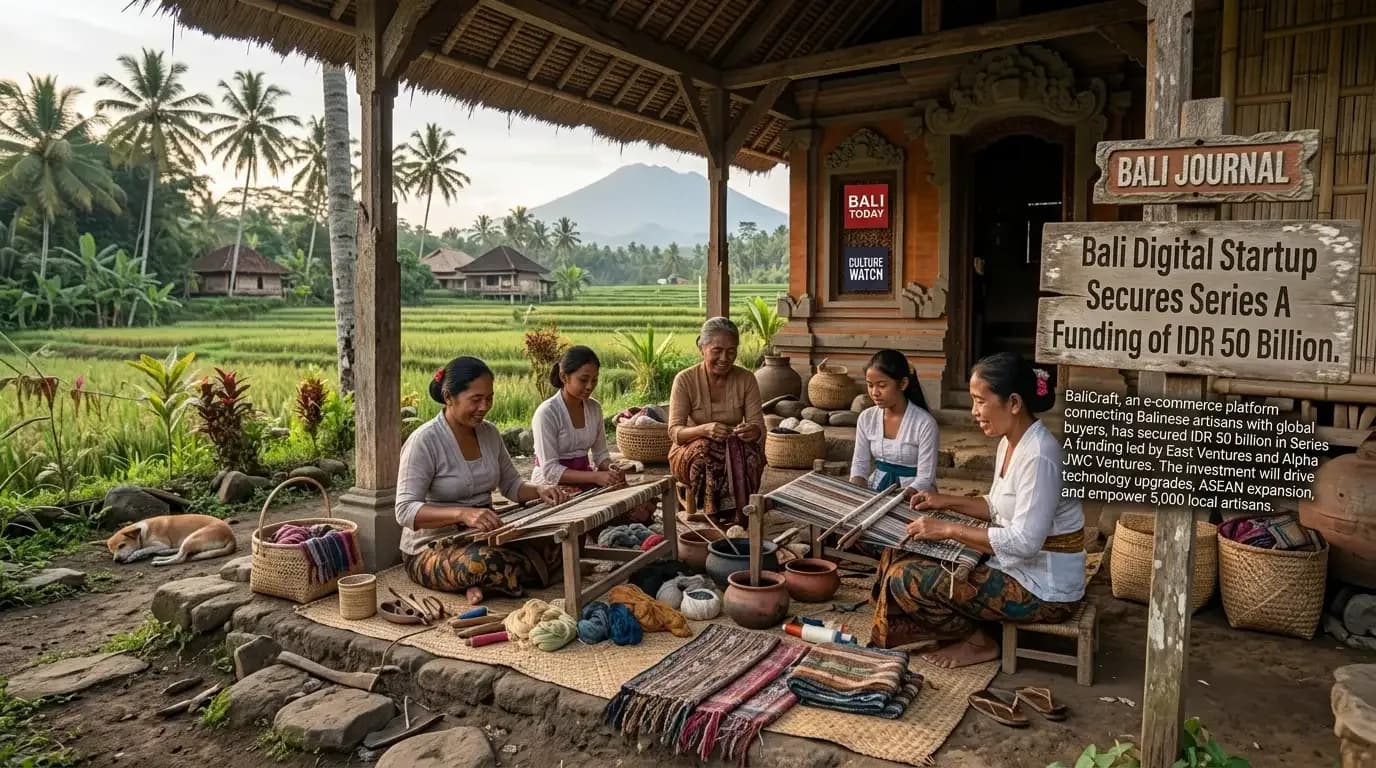
Reviving Bali's Traditional Arts: A Pathway to Sustainable Tourism Growth
Bali is witnessing a resurgence in traditional arts as local artisans embrace innovation to attract tourists. This revival not only supports cultural heritage but also contributes to the island's sustainable tourism goals.
Investors Eye Bali's Eco-Tourism Ventures Amid Rising Global Consciousness
As eco-tourism gains traction worldwide, Bali emerges as a hotspot for investments in sustainable travel ventures. Local entrepreneurs and international investors alike are capitalizing on the island's natural beauty and cultural richness to promote environmental responsibility.

Emergency Preparedness in Bali: A Community Focus Amid Natural Threats
As climate change intensifies weather patterns, Bali's communities are stepping up emergency preparedness measures. Local authorities emphasize the importance of readiness as the island faces increased risks from natural disasters.

Innovative Water Management Strategies Address Bali's Scarcity Crisis
Bali's growing water scarcity has prompted local governments and communities to implement innovative water management strategies. These initiatives aim to balance the needs of agriculture, tourism, and the local population while preserving the island's natural resources.
Skill Development Initiatives Spark Job Growth Across Bali's Industries
Bali is witnessing a surge in job training programs aimed at enhancing workforce skills. Local businesses and educational institutions are collaborating to address employment challenges and meet industry demands.

In Ubud, the Intersection of Art and Technology Sparks New Culture
As artists in Ubud embrace digital platforms, a cultural renaissance unfolds that blends traditional Balinese artistry with modern technology. This shift is redefining not only art consumption but also local community dynamics.
Comments (0)
No comments yet. Be the first!