Jakarta's New Infrastructure Push Alters Bali's Development Landscape
Recent infrastructure policies from Jakarta are reshaping Bali's urban planning and development strategies. Local government officials are navigating the impacts on public services and community needs amid these changes.
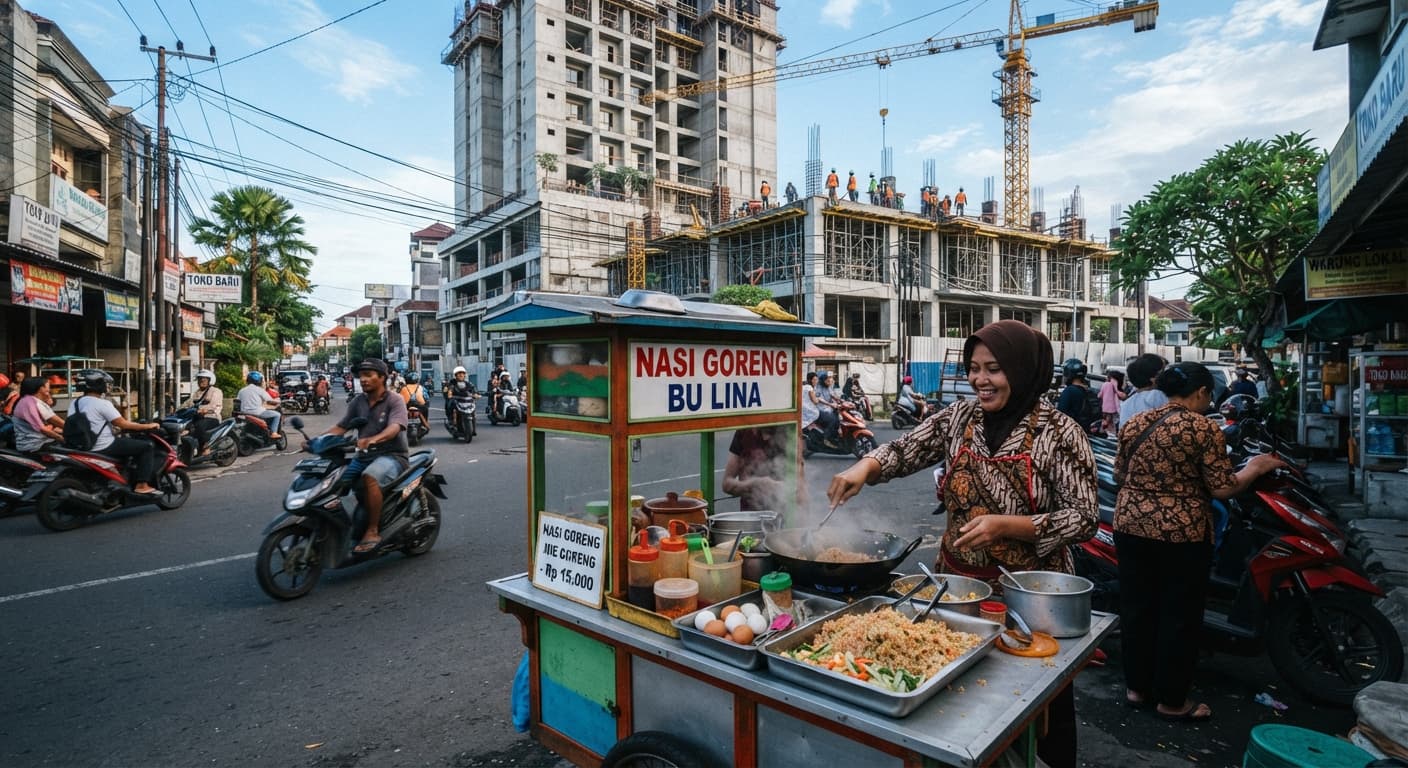
As the sun rises over the bustling streets of Denpasar, a flurry of activity unfolds. Street vendors roll out their carts, the aroma of fried rice mingling with the salty ocean breeze. Nearby, construction crews work tirelessly, erecting new structures that promise to redefine Bali’s urban landscape. Amid this lively scene, the provincial government grapples with a new set of infrastructure policies announced by Jakarta that have far-reaching implications for the island.
The Indonesian central government has initiated a comprehensive infrastructure strategy aimed at enhancing connectivity across the archipelago, with Bali positioned as a pivotal beneficiary of this plan. The new policies, unveiled in late September, emphasize the need for sustainable urban development while addressing the pressing issues of traffic congestion and inadequate public services.
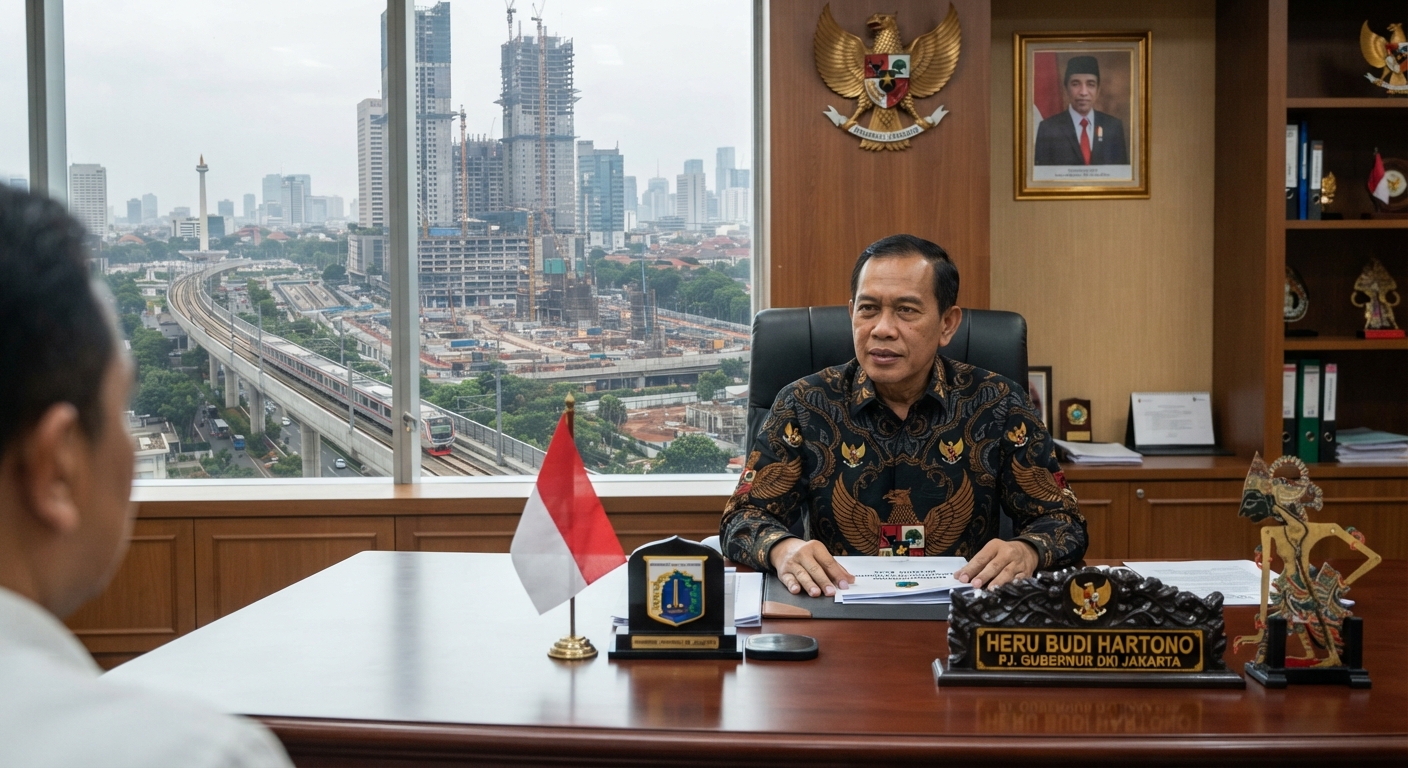
Governor Wayan Koster, in a recent press conference, acknowledged the role of these new policies in shaping Bali's future. “We are committed to aligning our local development plans with Jakarta's vision, ensuring that Bali not only grows economically but also sustainably,” he stated. His remarks come as the provincial government prepares to implement several infrastructure projects that align with the broader national agenda, including road expansions and improvements to public transportation systems.
One of the most significant aspects of Jakarta's plan is the proposed development of a new highway connecting Denpasar to northern Bali, aimed at easing the notorious traffic jams that plague the island's main thoroughfares. This project, expected to commence in early 2024, is viewed as a crucial step towards enhancing accessibility for both residents and tourists. Local officials have expressed optimism that improved transportation will lead to increased economic opportunities in less-developed areas of Bali.
However, not all voices are in agreement. Community leaders from Ubud, known for its cultural heritage, have raised concerns about the potential impact of rapid infrastructure development on local traditions and the environment. “We must find a balance between development and preserving our cultural identity,” said Ibu Nyoman, a leader of a local advocacy group. Many locals fear that unchecked development could lead to the loss of Bali's unique charm, which draws millions of visitors each year.
In response to these concerns, the provincial government has committed to incorporating community feedback into the planning stages of new projects. Workshops and public forums are being organized to gather input from residents about their needs and expectations. “It’s important for us to listen to the voices of the people,” Governor Koster reiterated, emphasizing the government’s dedication to a participatory approach.
Moreover, the infrastructure push also includes upgrades to public services such as healthcare and education. With increased funding from Jakarta, Bali's provincial government is looking at expanding healthcare facilities and improving educational infrastructure, particularly in rural areas. This aligns with Indonesia's broader goals of enhancing human capital development across the nation.

While the potential benefits of these policies are significant, local officials acknowledge the challenges that lie ahead. The rapid pace of development must be managed carefully to prevent adverse effects on the environment and local communities. The provincial government is actively working to establish regulations that will guide sustainable practices in construction and urban planning.
As Bali stands on the cusp of significant transformation, the intersection of Jakarta's policies and local initiatives presents both opportunities and challenges. The delicate balancing act of fostering economic growth while preserving the island's cultural and natural heritage is a task that will require collaboration among all stakeholders.
Looking ahead, the success of these infrastructure initiatives will depend on the ability of Bali's government to navigate the complexities of development with a vision that honors the island's unique identity. As construction continues and discussions unfold, the future of Bali remains a dynamic landscape, shaped by both local aspirations and national directives.



Read Also from Other Categories

Ubud's Thriving Spiritual Tourism: A New Chapter in Visitor Engagement
Ubud is emerging as a key player in Bali's spiritual tourism scene, attracting visitors seeking authentic experiences. With a focus on local traditions and wellness, the area is redefining how tourists engage with Balinese culture.

Emerging Trends in Bali's Investment Landscape: The Rise of Impact Startups
Bali is witnessing a significant shift in investment trends as impact startups gain traction. With a focus on social and environmental benefits, these ventures are attracting both local and international funding in unprecedented ways.

Unexpected Water Supply Crisis Hits Bali Amid Rising Demand and Climate Change
Bali faces a critical water supply shortage, with demand increasing by 25% year-over-year. Local officials are mobilizing to address the crisis as climate change exacerbates existing challenges.

Local Farmers Transition to Agro-Tourism Amidst Climate Challenges
As climate change impacts agriculture, Bali's farmers are embracing agro-tourism to sustain their livelihoods. This shift not only preserves local culture but also enhances community engagement and economic resilience.

Job Opportunities in Bali's Agriculture Sector: A Path to Sustainability
Bali's agriculture sector is undergoing a transformation, presenting new job opportunities to locals. With a focus on sustainable practices, training programs are paving the way for a greener future in employment.

Rethinking Bali's Digital Nomad Policies: A Call for Sustainable Integration
Bali's digital nomad community has surged by 35% in the past year, prompting discussions on the need for more structured policies. Experts argue that without strategic planning, the influx could strain local resources and cultural integrity.
Comments (0)
No comments yet. Be the first!