Innovative Waste Management Programs Reshape Bali's Future
Bali's local government and community groups are launching innovative waste management programs aimed at reducing pollution and enhancing recycling initiatives across the island. These efforts come as part of a broader commitment to environmental sustainability and cultural preservation.
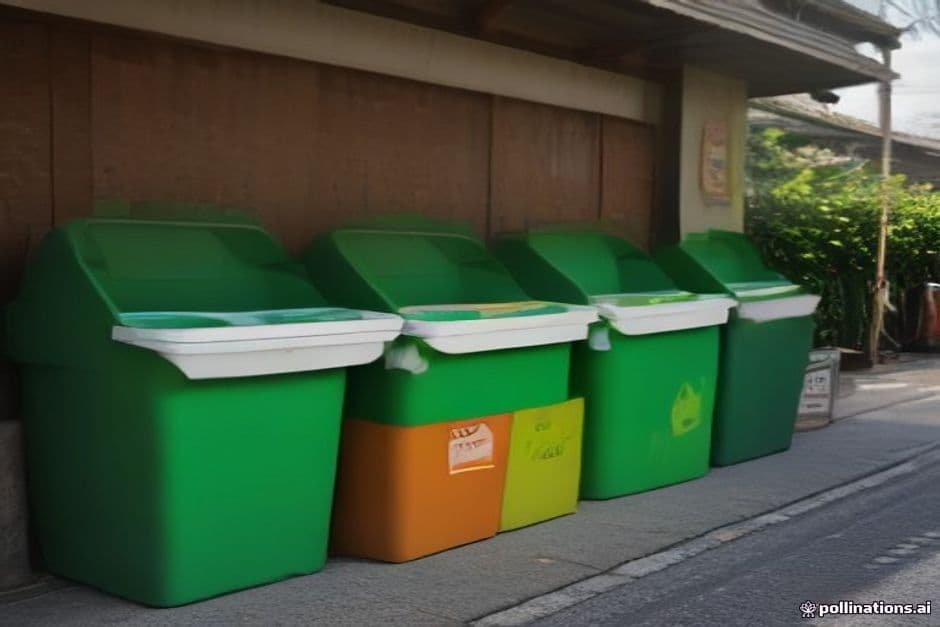
As Bali grapples with increasing waste management challenges, local governments and community groups are taking proactive steps to implement innovative waste management programs. These initiatives, aimed at reducing pollution and enhancing recycling efforts, reflect a growing commitment to environmental sustainability and cultural preservation.
In Denpasar, the capital city, the municipal government has partnered with local NGOs to launch 'Waste Warrior', a community-driven initiative that educates residents on waste segregation, composting, and recycling. The program, which kicked off in January 2024, has already seen participation from over 1,000 households, with a goal of expanding to all neighborhoods by the end of the year.
“We aim to change the perception of waste from being an inconvenience to a resource,” said I Made Suardika, head of the Denpasar Environmental Agency. “Through education and engagement, we are empowering our community to take ownership of their waste.”
In tandem with community efforts, Bali’s provincial government is investing in infrastructure improvements that support these initiatives. The recent installation of recycling bins across key tourist areas, such as Seminyak Beach and Ubud Market, is part of a strategic plan to encourage both locals and visitors to participate in waste reduction. Over the next five years, the government has allocated IDR 150 billion ($10 million) to enhance waste management facilities and promote environmental education.
In Ubud, local artist groups are also contributing to the movement by creating art installations made from recycled materials. This initiative not only beautifies the surroundings but also serves as a powerful reminder of the impact of waste on the environment. “Art can be a catalyst for change,” remarked Ayu Wayan, a local artist involved in the project. “We want to inspire people to see waste differently.”
Additionally, the island is witnessing the emergence of eco-friendly businesses that prioritize sustainability. Cafes and restaurants are adopting practices such as using biodegradable packaging and sourcing ingredients from local organic farms. The 'Green Business Network', founded in 2023, now boasts over 150 members who share resources and strategies to reduce their carbon footprints.
Despite these positive developments, challenges remain. Bali generates an estimated 1.3 million tons of waste annually, with only about 30% being recycled. The majority ends up in landfills, causing significant environmental concerns. The recent spikes in tourist numbers have further exacerbated the problem, placing additional pressure on the island's waste management systems.
Local authorities are exploring partnerships with technology companies to implement smart waste management solutions. These solutions include waste-to-energy projects that convert organic waste into electricity, as well as mobile apps that allow residents to report illegal dumping and track waste collection schedules.
Moreover, the 'Zero Waste Bali' movement continues to gain traction, encouraging businesses and individuals to minimize waste generation. Initiatives like the 'Plastic-Free Bali' campaign, which aims to eliminate single-use plastics, are receiving widespread support from both locals and tourists.

As these initiatives unfold, the cultural significance of waste management in Bali cannot be overlooked. The island's traditional beliefs emphasize harmony with nature, and many community leaders are advocating for the integration of these values into modern waste management practices. By fostering a sense of stewardship over the land, they hope to create sustainable solutions that honor Bali's cultural heritage.
Looking ahead, the success of these waste management programs will depend on ongoing collaboration between local governments, community groups, and businesses. As Bali strives to balance tourism and environmental sustainability, the efforts of these stakeholders could set a benchmark for other regions facing similar challenges.
In conclusion, Bali's innovative waste management programs are a testament to the island's resilience and commitment to sustainability. With active community involvement, government support, and a focus on cultural preservation, Bali is on the path to transforming its waste management landscape for a cleaner, greener future.

Read Also from Other Categories

Reviving Bali's Traditional Arts: A Pathway to Sustainable Tourism Growth
Bali is witnessing a resurgence in traditional arts as local artisans embrace innovation to attract tourists. This revival not only supports cultural heritage but also contributes to the island's sustainable tourism goals.

Jakarta's New Policies Spark Controversy Over Bali's Agricultural Future
Recent agricultural policies from Jakarta are causing a stir in Bali, raising concerns among local farmers about their livelihoods. The provincial government is pushing back against regulations perceived as detrimental to traditional practices and food security.
Investors Eye Bali's Eco-Tourism Ventures Amid Rising Global Consciousness
As eco-tourism gains traction worldwide, Bali emerges as a hotspot for investments in sustainable travel ventures. Local entrepreneurs and international investors alike are capitalizing on the island's natural beauty and cultural richness to promote environmental responsibility.

Emergency Preparedness in Bali: A Community Focus Amid Natural Threats
As climate change intensifies weather patterns, Bali's communities are stepping up emergency preparedness measures. Local authorities emphasize the importance of readiness as the island faces increased risks from natural disasters.
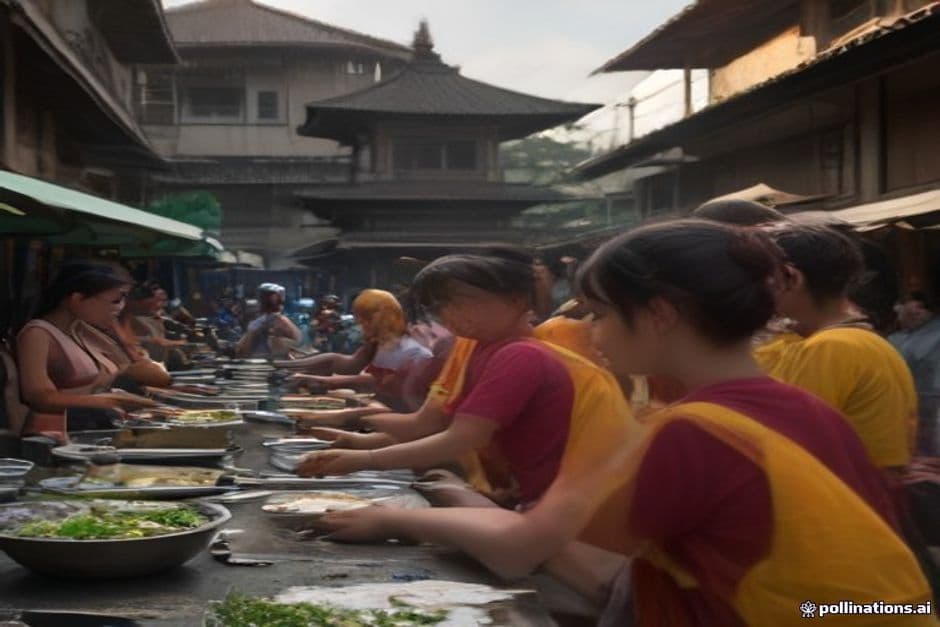
Skill Development Initiatives Spark Job Growth Across Bali's Industries
Bali is witnessing a surge in job training programs aimed at enhancing workforce skills. Local businesses and educational institutions are collaborating to address employment challenges and meet industry demands.
In Ubud, the Intersection of Art and Technology Sparks New Culture
As artists in Ubud embrace digital platforms, a cultural renaissance unfolds that blends traditional Balinese artistry with modern technology. This shift is redefining not only art consumption but also local community dynamics.
Comments (0)
No comments yet. Be the first!