Innovative Cultural Experiences Drive Bali's Tourism in 2026
Bali's tourism landscape is evolving with a focus on immersive cultural experiences that attract diverse visitors. Festivals, local traditions, and unique attractions are reshaping how tourists engage with the island's rich heritage.
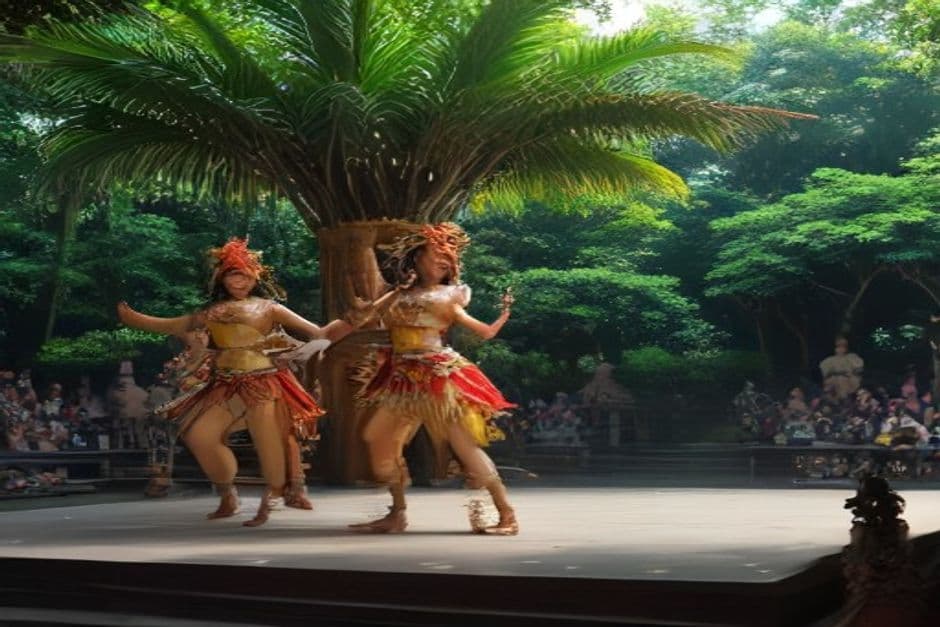
Bali's tourism industry is undergoing a significant transformation as it embraces innovative cultural experiences to attract a broader range of visitors. In 2026, the island is witnessing a shift from traditional beach-centric tourism toward deeper engagement with its cultural roots, showcasing local traditions, festivals, and unique attractions that resonate with both domestic and international travelers.
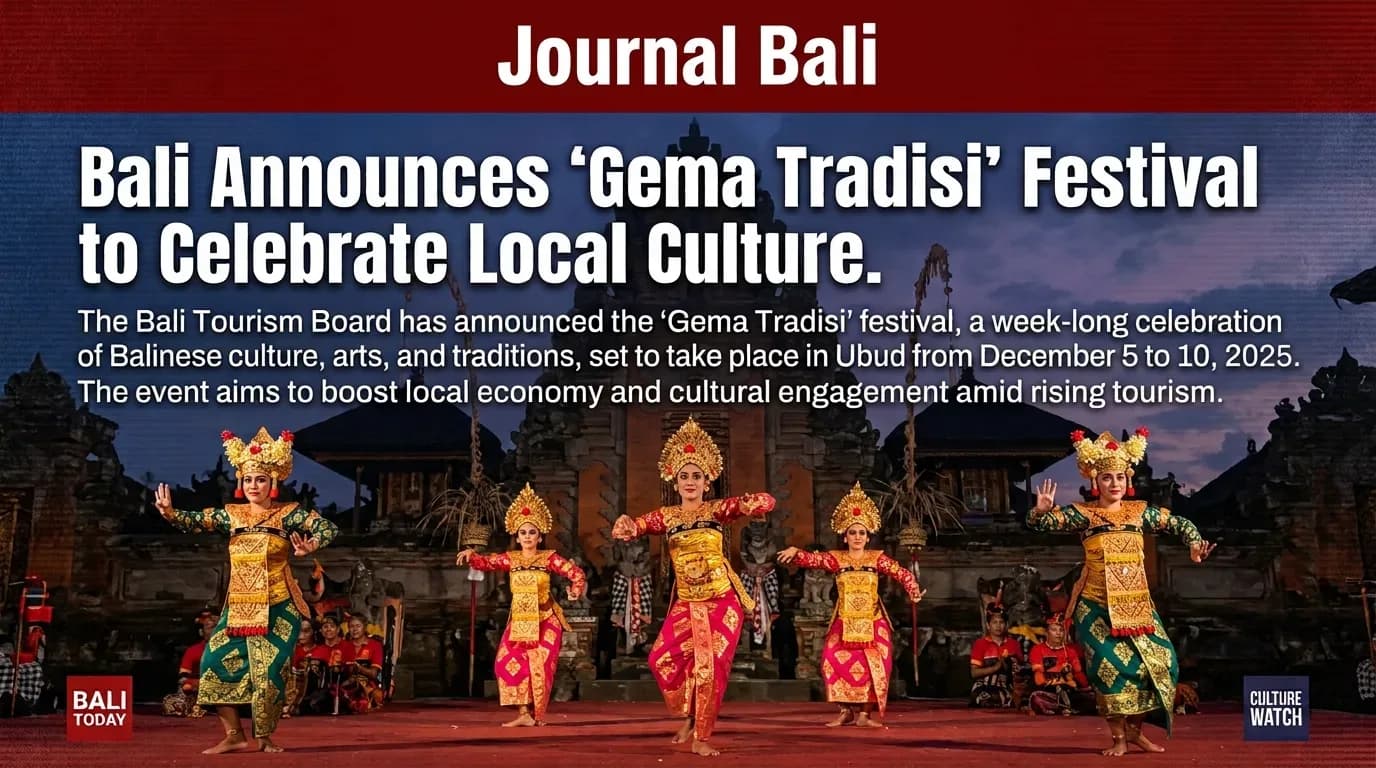
This cultural renaissance is highlighted by the increasing number of festivals that celebrate Bali's rich heritage. The Bali Arts Festival, a month-long event that showcases local art, dance, and music, has seen participation from various communities across the island, drawing in thousands of visitors. The festival not only promotes local artists but also offers tourists an authentic glimpse into Balinese culture, creating memorable experiences that go beyond typical tourist activities.
In addition to established festivals, new cultural events are emerging. The Ubud Cultural Festival, set to debut later this year, aims to highlight the connection between art, wellness, and sustainability, featuring workshops, performances, and exhibitions from local and international artists. Organizers believe that this festival will attract a new demographic of travelers interested in holistic experiences that align with Bali's eco-conscious ethos.

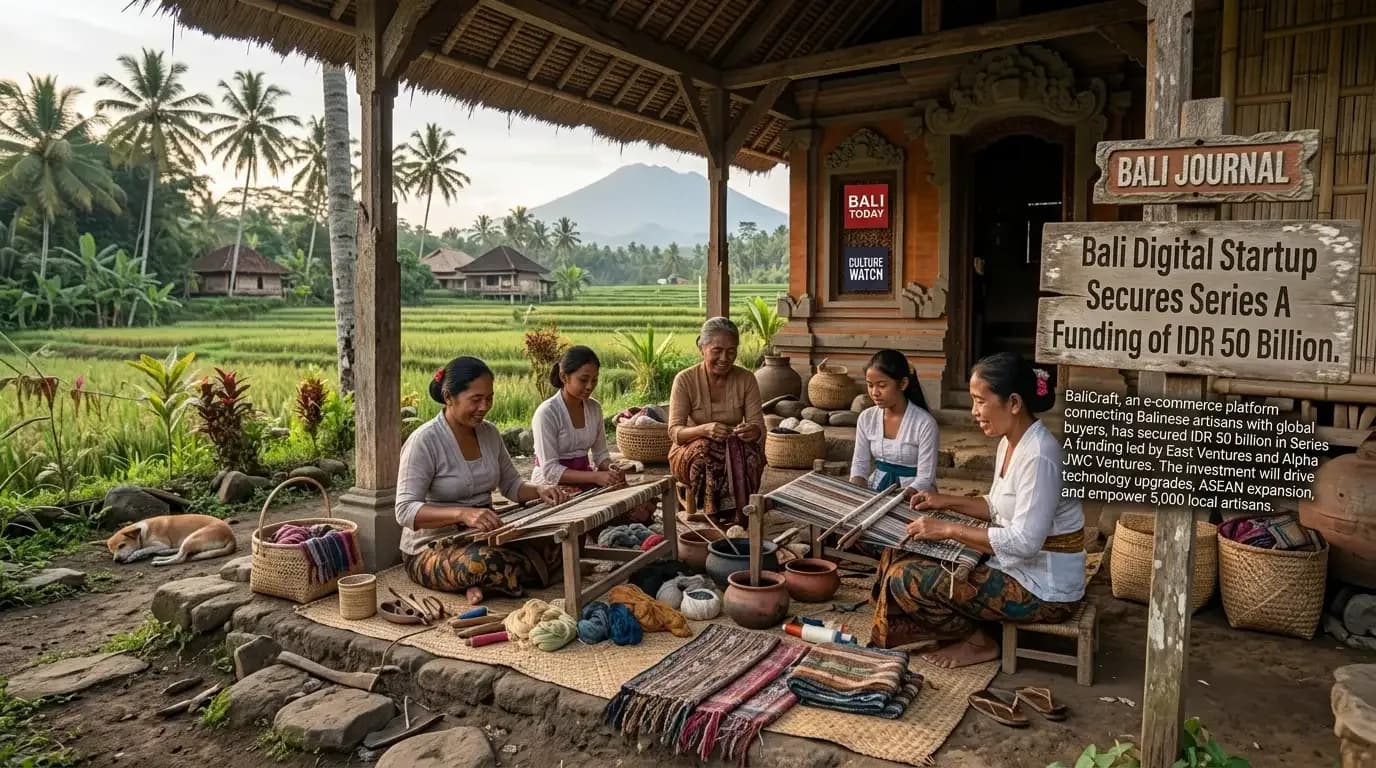
Moreover, local communities are taking charge of cultural tourism initiatives. In areas like Tenganan and Penglipuran, traditional villages are opening their doors to tourists, offering guided tours that explain their customs and practices. These immersive experiences allow visitors to engage with local artisans, participate in traditional ceremonies, and even learn about the intricacies of Balinese cuisine. This direct interaction fosters a deeper appreciation for the island's culture and helps preserve these traditions.
Hotels and resorts are adapting to this trend by incorporating cultural elements into their offerings. Many establishments now host cultural nights featuring traditional dance performances, cooking classes, and handicraft workshops. For instance, the Four Seasons Resort at Sayan has introduced programs where guests can learn about Balinese offerings and participate in local ceremonies, providing a unique blend of luxury and cultural immersion.
The role of technology in promoting these cultural experiences cannot be overlooked. Digital platforms are being utilized to market local events and attractions, making it easier for tourists to discover and book immersive experiences. Social media campaigns, particularly on Instagram and TikTok, are showcasing the beauty of Bali's cultural landscape, drawing younger audiences eager for authentic and shareable moments.

While this cultural shift is promising, it also comes with challenges. Local governments and stakeholders must ensure that these experiences are sustainable and respectful of the communities involved. The Bali Tourism Board emphasizes the importance of balancing tourism growth with cultural preservation, urging businesses to engage with local communities and prioritize their needs.
Looking ahead, Bali's commitment to cultural tourism is expected to strengthen its appeal as a destination. The island's unique blend of spiritual, artistic, and natural offerings stands to attract a diverse range of travelers seeking more than just a beach vacation. As Bali continues to evolve, its ability to captivate visitors through innovative cultural experiences will play a pivotal role in shaping the future of its tourism industry.

Read Also from Other Categories
Jakarta's Policy Changes Impact Bali's Infrastructure Development Plans
Recent policy adjustments from Jakarta are reshaping Bali's infrastructure initiatives. Local leaders are strategizing to align provincial needs with national directives to enhance public services and connectivity.

Emerging Investment Opportunities in Bali's Agricultural Sector
Bali's agricultural sector is witnessing a resurgence as investors turn to sustainable farming practices and agritech innovations. This trend highlights the potential for increased economic diversification and food security on the island.

Emergency Services Gear Up for Potential Tsunami Risks in Bali
As seismic activity increases near Bali, local authorities prepare for potential tsunami threats. Emergency drills and safety measures are being reinforced to protect both residents and tourists in vulnerable coastal areas.
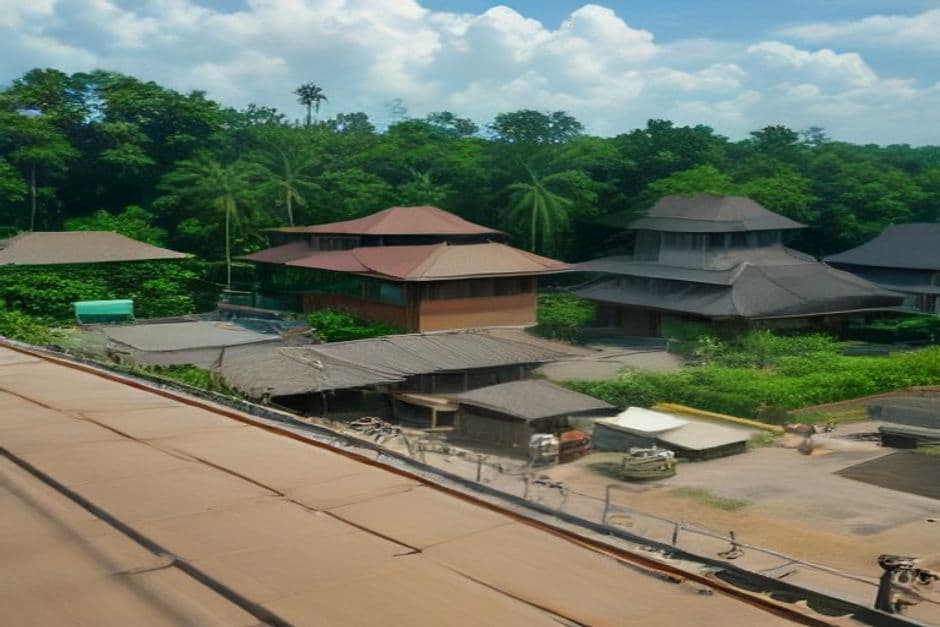
Bali's Urban Development: A Push Towards Sustainable Infrastructure
Bali's local government is investing IDR 500 billion to enhance urban infrastructure while promoting sustainability. This initiative aims to balance modernization with cultural preservation across the island.
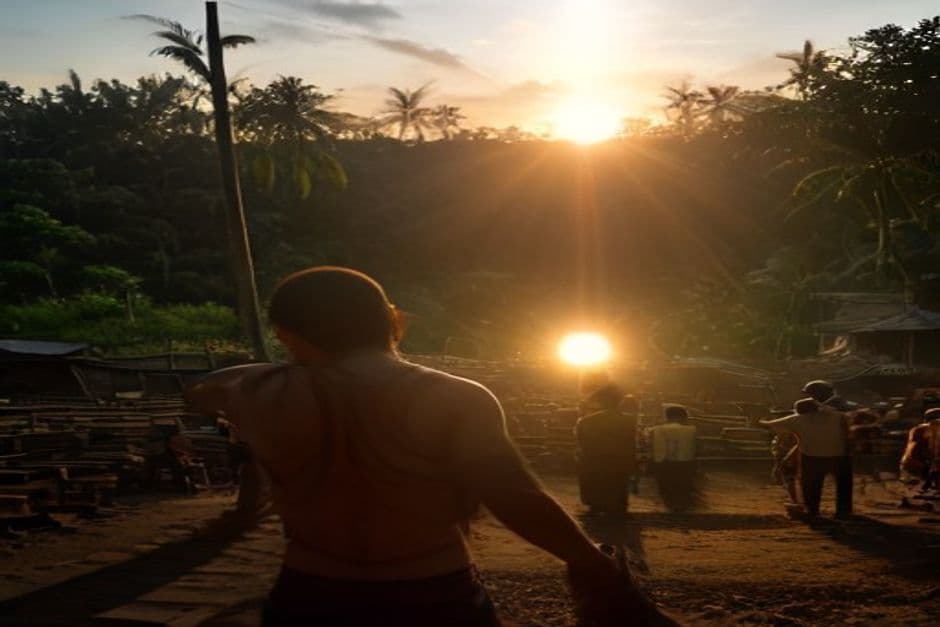
Job Opportunities Thrive as Bali Upskills Workforce through Partnerships
Bali is witnessing a surge in employment opportunities fueled by strategic partnerships between educational institutions and local businesses. Enhanced training programs are equipping the workforce with essential skills to meet the evolving demands of various sectors.
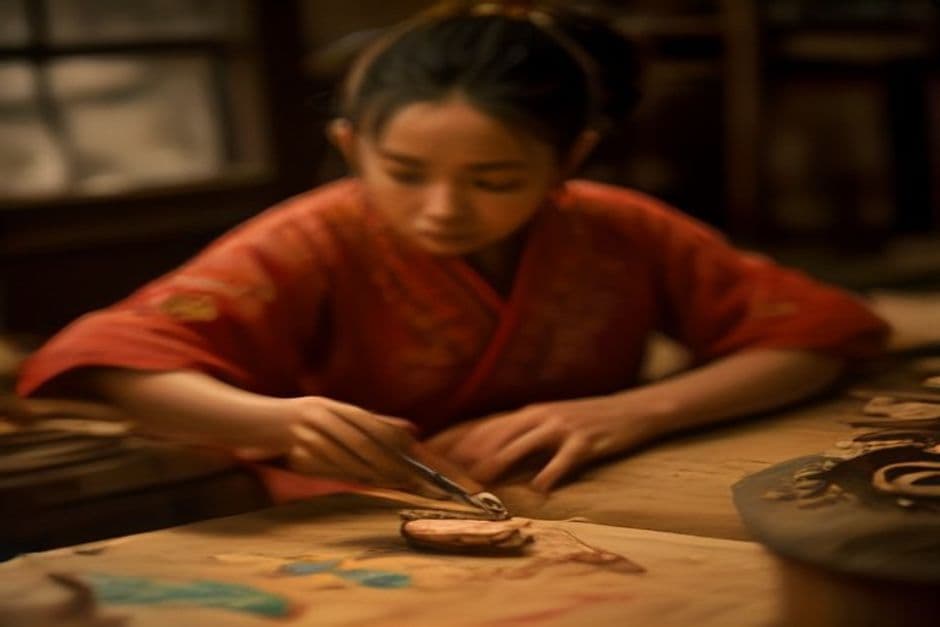
Tourism and Tradition: Bali's Artisans Struggle for Survival
As Bali's tourism industry rebounds, local artisans face challenges in preserving their craft. This tension between economic revival and cultural integrity raises critical questions about the future of Balinese artistry.
Comments (0)
No comments yet. Be the first!