Hotel Sustainability Initiatives Drive Bali's Eco-Tourism Growth
Bali's hotel sector embraces sustainability, with 45% of establishments adopting eco-friendly practices. This trend is reshaping visitor experiences and attracting environmentally-conscious travelers.
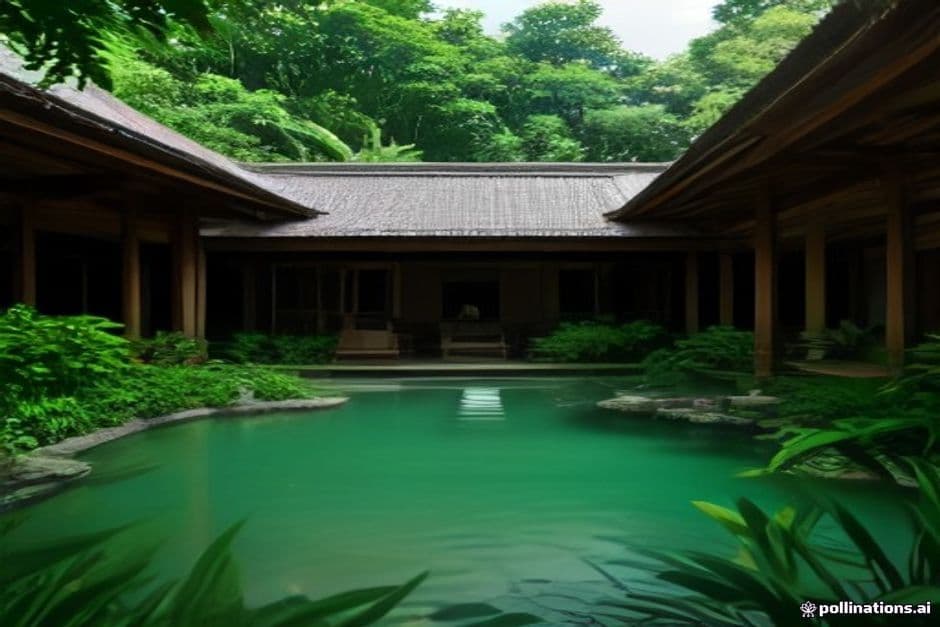
In a significant shift, 45% of hotels in Bali have implemented sustainability initiatives as of 2026, reflecting the island's commitment to eco-tourism. This number is a 15% increase compared to 2025, when only 30% of hotels had adopted similar measures. As global travelers increasingly seek environmentally responsible accommodations, Bali's hospitality industry is adapting to meet these demands, enhancing the visitor experience while also contributing to the preservation of the island's natural beauty.
One notable example is the Four Seasons Resort Bali at Sayan, which has integrated sustainable practices into its operations, from sourcing local organic ingredients in its restaurants to implementing water conservation systems. This approach not only reduces the resort's carbon footprint but also resonates well with guests who prioritize sustainability in their travel choices. As a result, the resort has reported a 20% increase in bookings from eco-conscious travelers in the last year.
The trend extends beyond luxury accommodations to mid-range hotels as well. For instance, the Eco-Hostel in Canggu has garnered attention for its use of recycled materials in construction and its commitment to zero waste. The hostel's occupancy rate has reached 85%, a 25% increase from the previous year, demonstrating that budget-conscious travelers are also prioritizing sustainability.
Moreover, the Indonesian Ministry of Tourism has taken steps to promote sustainable practices among hotels. In 2025, the ministry launched the “Green Hotel Certification” program, aiming to encourage hotels to adopt eco-friendly policies. Currently, 120 hotels across Bali have received this certification, a significant rise from just 50 in 2024. This initiative not only supports the environment but also enhances Bali's reputation as a responsible tourism destination.

The impact of these sustainability efforts is evident in visitor feedback. A recent survey revealed that 70% of tourists are willing to pay more for eco-friendly accommodations. This growing consumer preference has led to a competitive market where hotels that prioritize sustainability are gaining a significant edge over those that do not.
Furthermore, local communities are benefiting from the shift towards sustainability. Hotels that engage in community-based eco-tourism are providing employment opportunities and supporting local artisans. For example, the Bambu Indah Hotel in Ubud collaborates with local craftspeople to source handmade furniture and décor, creating a unique aesthetic while empowering the community.
However, the transition to sustainable practices is not without challenges. Some hotel operators express concerns regarding the initial costs associated with implementing green technologies. Yet, many industry experts argue that the long-term benefits outweigh these costs. A recent analysis by the Bali Hotel Association indicated that hotels implementing sustainability initiatives saw a 30% decrease in operational costs over three years, primarily due to energy savings and efficient resource management.

As Bali continues to evolve as a leading eco-tourism destination, the emphasis on sustainability is expected to grow. The island's unique natural environment, combined with its rich cultural heritage, positions it well to attract a new generation of travelers who value responsible tourism practices.
In conclusion, Bali's commitment to sustainability is reshaping its tourism landscape, offering both visitors and locals a more responsible way to experience the island. With 45% of hotels now embracing eco-friendly practices, the future of Bali's tourism industry looks promising, paving the way for a greener, more sustainable paradise.



Read Also from Other Categories

Jakarta's New Policies Spark Controversy Over Bali's Agricultural Future
Recent agricultural policies from Jakarta are causing a stir in Bali, raising concerns among local farmers about their livelihoods. The provincial government is pushing back against regulations perceived as detrimental to traditional practices and food security.

Investors Eye Bali's Eco-Tourism Ventures Amid Rising Global Consciousness
As eco-tourism gains traction worldwide, Bali emerges as a hotspot for investments in sustainable travel ventures. Local entrepreneurs and international investors alike are capitalizing on the island's natural beauty and cultural richness to promote environmental responsibility.

Emergency Preparedness in Bali: A Community Focus Amid Natural Threats
As climate change intensifies weather patterns, Bali's communities are stepping up emergency preparedness measures. Local authorities emphasize the importance of readiness as the island faces increased risks from natural disasters.

Innovative Water Management Strategies Address Bali's Scarcity Crisis
Bali's growing water scarcity has prompted local governments and communities to implement innovative water management strategies. These initiatives aim to balance the needs of agriculture, tourism, and the local population while preserving the island's natural resources.

Skill Development Initiatives Spark Job Growth Across Bali's Industries
Bali is witnessing a surge in job training programs aimed at enhancing workforce skills. Local businesses and educational institutions are collaborating to address employment challenges and meet industry demands.

In Ubud, the Intersection of Art and Technology Sparks New Culture
As artists in Ubud embrace digital platforms, a cultural renaissance unfolds that blends traditional Balinese artistry with modern technology. This shift is redefining not only art consumption but also local community dynamics.
Comments (0)
No comments yet. Be the first!